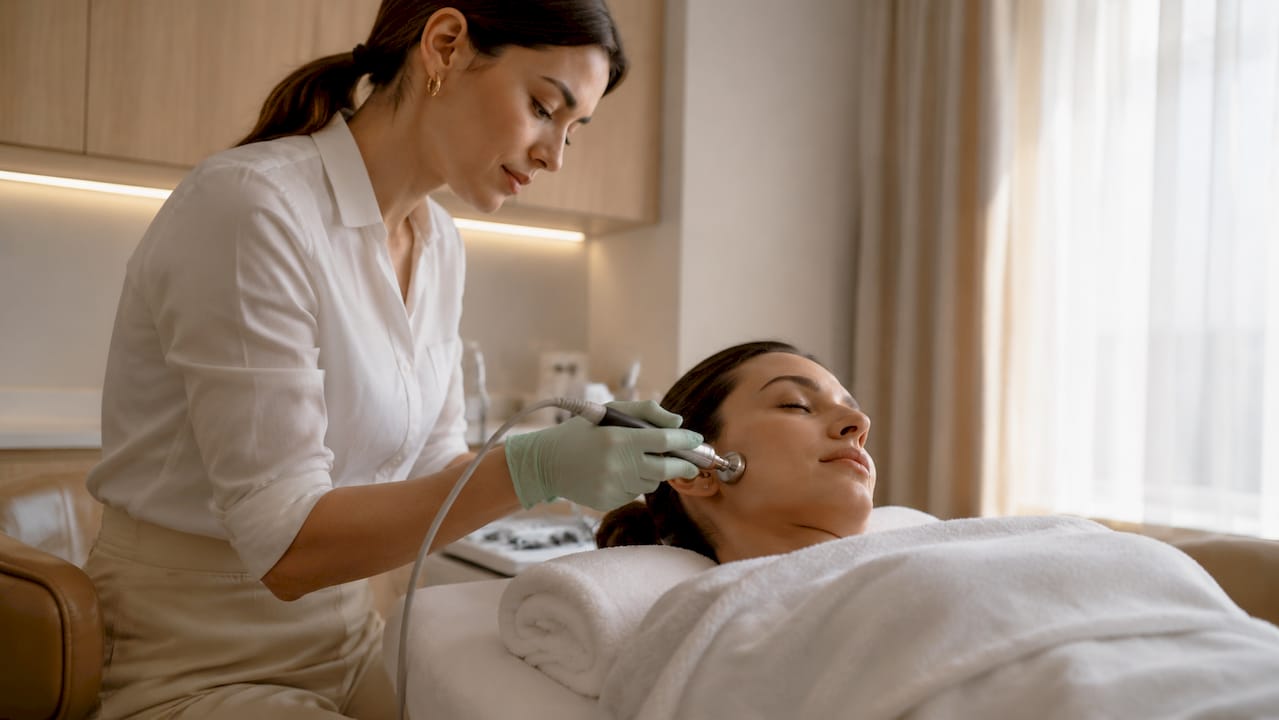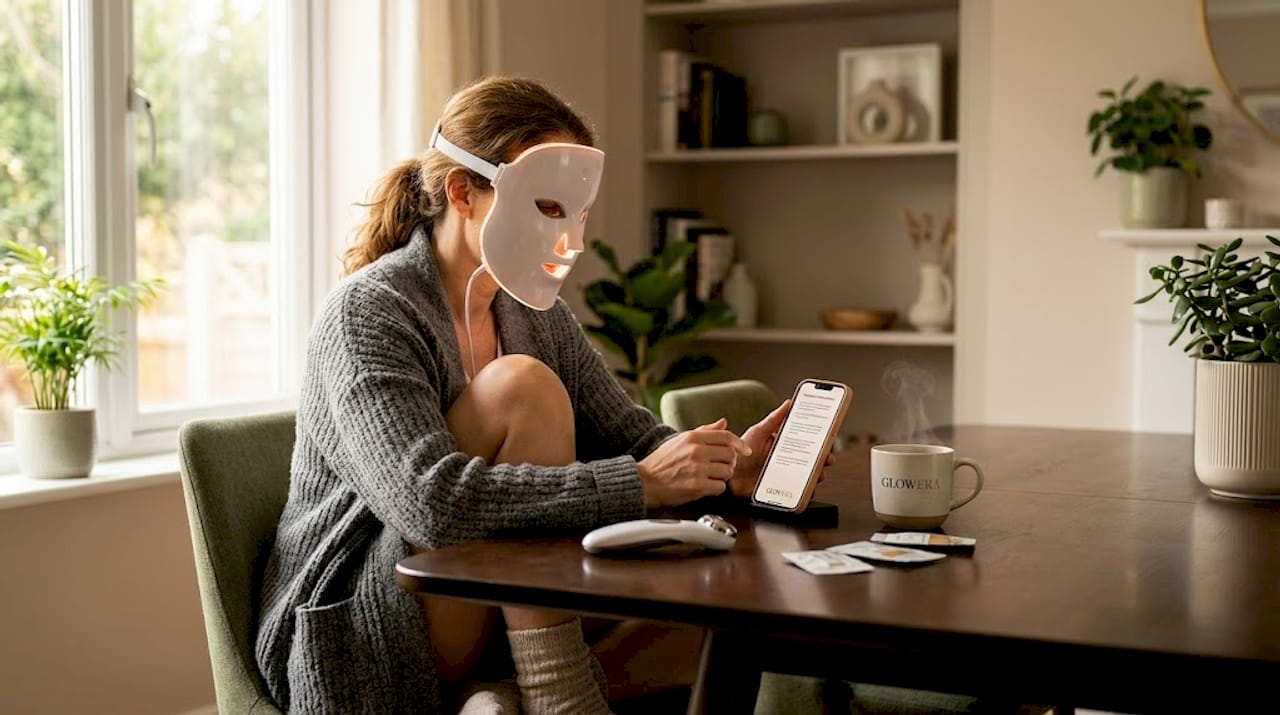
Fine lines, loss of firmness, and uneven skin texture are concerns that most people want to address as early and as effectively as possible. The good news is that two of the most clinically supported technologies available today, LED light therapy and microcurrent, work on fundamentally different layers of the skin. When you combine LED and microcurrent treatments intelligently, you create a synergistic approach that targets both immediate muscle tone and longer-term cellular repair simultaneously. This guide walks you through exactly how to do that safely at home, from understanding the science to building a weekly routine.
Table of Contents
- Key takeaways
- How LED and microcurrent treatments work
- Preparing for combined treatments safely
- Step-by-step routine for combining treatments
- Troubleshooting common issues
- What results to expect and when
- My honest take on combining these technologies
- Explore Glowera’s range of LED and microcurrent devices
- FAQ
Key takeaways
| Point | Details |
|---|---|
| Complementary mechanisms | LED works on skin cells and collagen; microcurrent works on facial muscles, making them a natural pair. |
| Sequence matters | Always apply microcurrent before LED therapy to maximise cellular uptake of light energy post-stimulation. |
| Safety first | Certain conditions, including epilepsy and pacemaker use, contraindicate microcurrent and require professional guidance. |
| Consistency over intensity | Two to three sessions per week, sustained over weeks, produces structural improvement rather than a one-off result. |
| Device quality is non-negotiable | FDA-cleared devices with adjustable settings and proper conductive gel deliver safer, more effective outcomes. |
How LED and microcurrent treatments work
Before you combine these technologies, it helps to understand precisely what each one does independently, because their strengths are genuinely distinct.
LED light therapy
LED (light-emitting diode) therapy delivers specific wavelengths of light into the skin to trigger biological responses at the cellular level. Red light, typically in the 630 to 700 nanometre range, penetrates the dermis to stimulate collagen and elastin production. Near-infrared light goes deeper still, supporting circulation and tissue repair. Blue light (around 415 nanometres) targets sebaceous glands and reduces acne-causing bacteria. One useful way to think about it: skin cells absorb light energy in a manner analogous to how plants use sunlight, converting it into cellular energy (ATP) that drives repair and regeneration. LED therapy is non-invasive, painless, and carries no UV risk.
The LED therapy benefits that matter most for anti-ageing include:
- Stimulation of collagen and elastin synthesis in the dermis
- Reduction of inflammation and redness, including post-treatment sensitivity
- Improved circulation, contributing to a more even skin tone
- Enhanced cellular ATP production, accelerating tissue repair
Microcurrent facial treatment
Microcurrent delivers low-level electrical currents, measured in microamperes, through the skin to stimulate the facial muscles and the cells that surround them. The currents mimic the body’s own bioelectrical signals, prompting muscles to contract and re-educate over time. Beyond the muscles, microcurrent also boosts ATP production within skin cells, which supports protein synthesis and faster cellular turnover. The result is a lifted, firmer appearance that becomes more pronounced with consistent use.
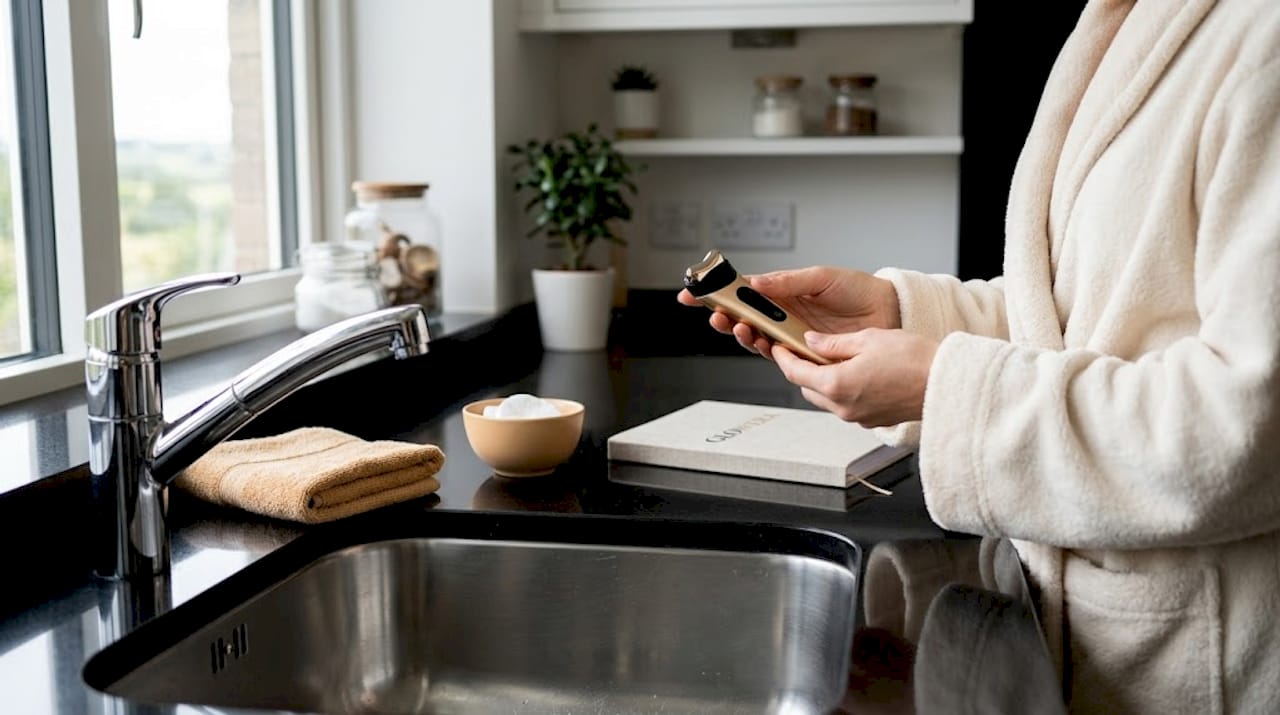
The key distinction from LED therapy is mechanical. Microcurrent works from beneath the surface, toning the underlying muscular architecture, while LED works at the cellular and dermal level. That difference is precisely what makes the LED and microcurrent synergy so compelling. You can read more about the fundamentals in Glowera’s microcurrent guide.
Preparing for combined treatments safely
Getting the preparation right determines both your safety and the quality of your results. Skipping this step is the most common reason people feel disappointed by at-home devices.
Device selection checklist
| Feature | Why it matters |
|---|---|
| FDA clearance | Indicates the device has been tested for safety and efficacy to a recognised standard |
| Adjustable intensity settings | Allows gradual introduction to microcurrent without discomfort or irritation |
| Dedicated conductive gel | Proper gel is required for electrical current to flow efficiently across the skin surface |
| Reputable brand with clear instructions | Reduces risk of misuse and supports consistent technique |
FDA-cleared devices with adjustable intensities and proper conductive gels are the professional standard for at-home use. When selecting your LED device, confirm it offers clinically relevant wavelengths rather than decorative lighting. Glowera’s editorial guide on choosing a microcurrent device covers the key specifications in detail.
Safety considerations
Certain conditions contraindicate microcurrent use entirely. These include epilepsy, the presence of a pacemaker or implanted electrical device, pregnancy, and active skin infections or open wounds. LED therapy carries its own precautions: those with photosensitive conditions or taking photosensitising medications (including some antibiotics and retinoids) should consult a dermatologist before use.
If you are new to either technology, perform a patch test with both devices on a small area of skin and observe for 24 hours before proceeding to a full facial treatment.
Pro Tip: Never substitute conductive gel with aloe vera gel or water. Non-conductive substitutes reduce device effectiveness and can cause skin discomfort during microcurrent sessions.
Step-by-step routine for combining treatments
Once your devices are selected and your skin has been assessed, the following sequence will help you achieve the best possible outcomes from combining LED treatments with microcurrent at home.
-
Cleanse thoroughly. Begin with a gentle, non-stripping cleanser. Any residual SPF, makeup, or serum will interfere with both the electrical conductivity of the microcurrent device and the light penetration of the LED mask.
-
Apply conductive gel. Spread a generous, even layer of your device’s recommended conductive gel across the treatment area. This is not optional. The gel completes the circuit between the device and your skin, ensuring the microcurrent is delivered safely and effectively.
-
Perform your microcurrent session first. Work the microcurrent device across your face using slow, upward strokes, following the facial contour map provided with your device. Sessions of 5 to 10 minutes, two to three times per week, are the professionally recommended standard. Starting at the lowest intensity and increasing gradually over several sessions is the safest approach.
-
Remove the gel and apply a hydrating serum. After microcurrent, cleanse the gel from your skin gently. Apply a lightweight, hydrating serum containing hyaluronic acid or peptides. The skin is primed and receptive at this point, and the serum will be better absorbed before the LED session.
-
Perform your LED therapy session. Put on your LED mask or position your panel and treat the skin for the duration recommended by your device, typically 10 to 20 minutes for at-home devices. Red or near-infrared settings are the most useful for anti-ageing purposes. The LED therapy benefits here extend beyond collagen stimulation: the light also helps calm any minor redness caused by the microcurrent pass.
-
Finish with moisturiser and SPF (morning) or night cream (evening). Lock in the treatment benefits with appropriate skincare for your skin type. Avoid applying active ingredients like retinol or AHAs immediately post-session, as skin sensitivity is temporarily heightened.
Pro Tip: Scheduling your combined sessions in the evening tends to work better for most people. Skin is not exposed to UV immediately after treatment, and overnight cellular repair processes are at their most active while you sleep.
Troubleshooting common issues
Even with careful preparation, questions and minor issues arise. Knowing what to look for prevents small setbacks from becoming longer problems.
Common issues and how to address them:
- Redness or tingling that persists for more than an hour. Reduce the microcurrent intensity by one level and shorten your next session to five minutes. Persistent redness beyond two hours warrants a break of three to five days before resuming.
- Skin feeling tight or dry after treatment. You are likely under-applying conductive gel, or your post-treatment moisturiser is insufficient. Increase hydration and consider layering a barrier cream over your serum.
- No visible effect after four weeks. Check that your device is FDA-cleared and that the intensity settings are appropriate. Very low settings used out of excessive caution will not produce results. Review microcurrent intensity guidance from Glowera’s expert content for reference.
- Muscle twitching or discomfort during microcurrent. This is almost always caused by insufficient gel coverage. Re-apply and ensure the entire treatment area is covered before continuing.
- LED mask causing eye strain or headaches. Use the provided eye protection and check that your wavelength settings are within the safe ranges specified for your device.
If you experience prolonged irritation, unusual breakouts, or any concerning skin reaction after combining treatments, stop use and consult a dermatologist before resuming. At-home devices are maintenance tools, not substitutes for professional clinical assessment when something feels wrong.
What results to expect and when
Managing expectations honestly is arguably the most useful thing any guide on beauty technology can do. Microcurrent and LED therapy both produce measurable results, but the timelines differ.
| Timeframe | Typical observations |
|---|---|
| After first session | Temporary lift and improved skin tone; mild glow due to increased circulation |
| Weeks 2 to 4 | Gradual improvement in skin firmness; more consistent tone and reduced puffiness |
| Weeks 6 to 12 | Visible structural improvement in jaw definition and cheek lift; reduced fine lines |
| 3 to 6 months | Enhanced collagen density; sustained firmness with continued consistent use |
Combining LED and microcurrent accelerates visible results compared to using either technology alone, because microcurrent stimulates the muscles and ATP production while LED enhances cellular repair and collagen synthesis. However, the initial lifted appearance you see after a microcurrent session is partially temporary. True structural change accumulates over weeks of regular sessions.
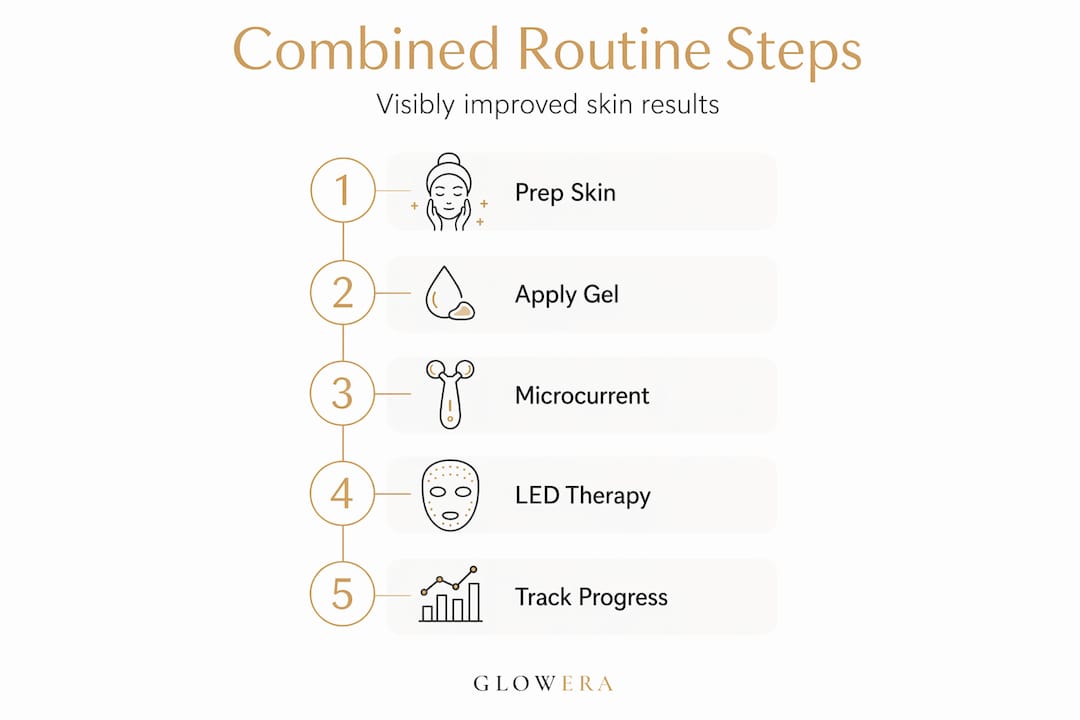
The single most useful tracking method is photography. Take a photograph in consistent lighting from the same angle before your first session, then every two weeks. Skin improvements happen gradually, and photos give you an honest record that moment-to-moment perception cannot.
My honest take on combining these technologies
I’ve spent a lot of time looking at how people integrate microcurrent and LED therapy into their routines, and the most consistent pattern I notice is this: people either expect too much too soon, or they underuse their devices and then conclude the technology doesn’t work.
The LED and microcurrent synergy is real and well-documented. What I find genuinely underappreciated is how much the sequence and consistency of use matter relative to the devices themselves. I’ve seen people invest in excellent devices but skip sessions for weeks at a time and wonder why they aren’t seeing structural change. The skin responds to repeated, cumulative stimulation, not occasional intervention.
My other observation is that people routinely underestimate the importance of conductive gel. I’ve come across countless accounts of people using the wrong substitute and reporting poor results or discomfort. It’s an easy fix that makes a significant difference.
What I’d tell anyone starting out is this: treat the first month as your calibration phase. Learn how your skin responds, build up intensity gradually, and don’t chase dramatic results. The people who get the best long-term outcomes from best treatments for skin technology are those who treat their routine with the same regularity they give to exercise. Patience and consistency are the actual active ingredients here.
— Adam
Explore Glowera’s range of LED and microcurrent devices
For those ready to build a combined treatment routine at home, Glowera offers one of the UAE’s most carefully curated selections of professional-grade beauty technology devices.
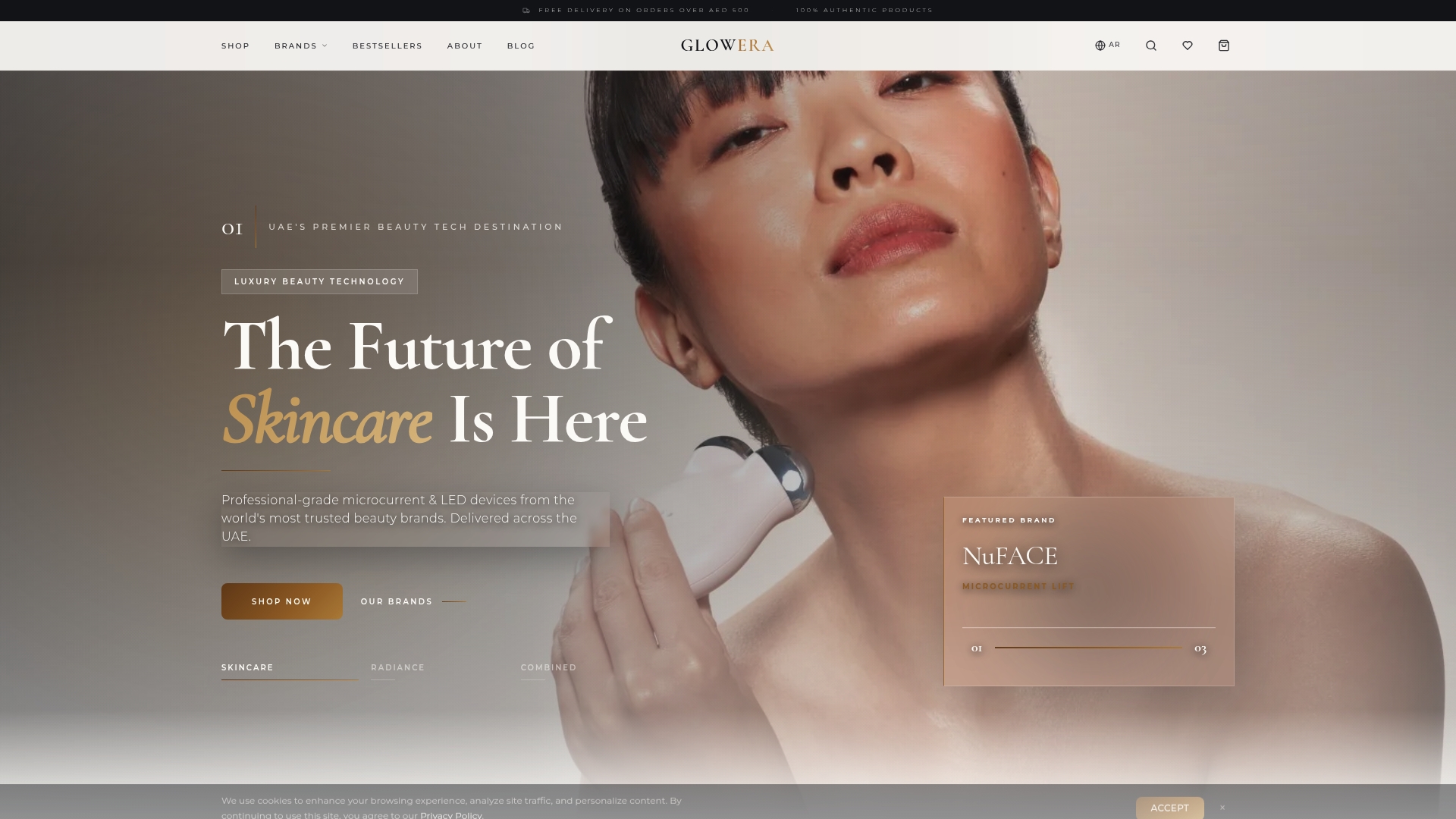
Glowera stocks LED and microcurrent devices from globally trusted brands including NuFACE, FOREO, Dr. Dennis GROSS, and ZIIP Currentbody, all verified for authenticity and performance. Whether you’re beginning with your first microcurrent device or adding an LED mask to an existing routine, every product in the microcurrent device collection has been selected with clinical relevance in mind. For those interested in K-beauty technology that integrates multiple treatment functions, Glowera’s K-beauty tech range includes several devices designed specifically for combined home use. Explore the full LED therapy collection to find the right pairing for your skin goals.
FAQ
Can LED and microcurrent work together in the same session?
Yes. Combining LED and microcurrent treatments in a single session is safe and enhances results, provided you apply microcurrent first and follow with LED therapy to support cellular repair.
How often should I use both devices?
Two to three times per week is the recommended frequency for at-home microcurrent sessions, and LED therapy can follow the same schedule without overloading the skin.
Who should avoid combining these treatments?
Anyone with epilepsy, a pacemaker, or photosensitive skin conditions should not combine these treatments without medical guidance, as certain conditions contraindicate microcurrent or LED exposure.
When will I see visible results from combining both treatments?
Most people notice a temporary lift after their first session, with more sustained improvements in firmness and tone appearing between weeks four and twelve of consistent use.
Do I need a special gel for microcurrent devices?
Yes. Using the dedicated conductive gel supplied or recommended for your device is necessary for safe and effective electrical current delivery. Substitutes reduce efficacy and may cause discomfort.