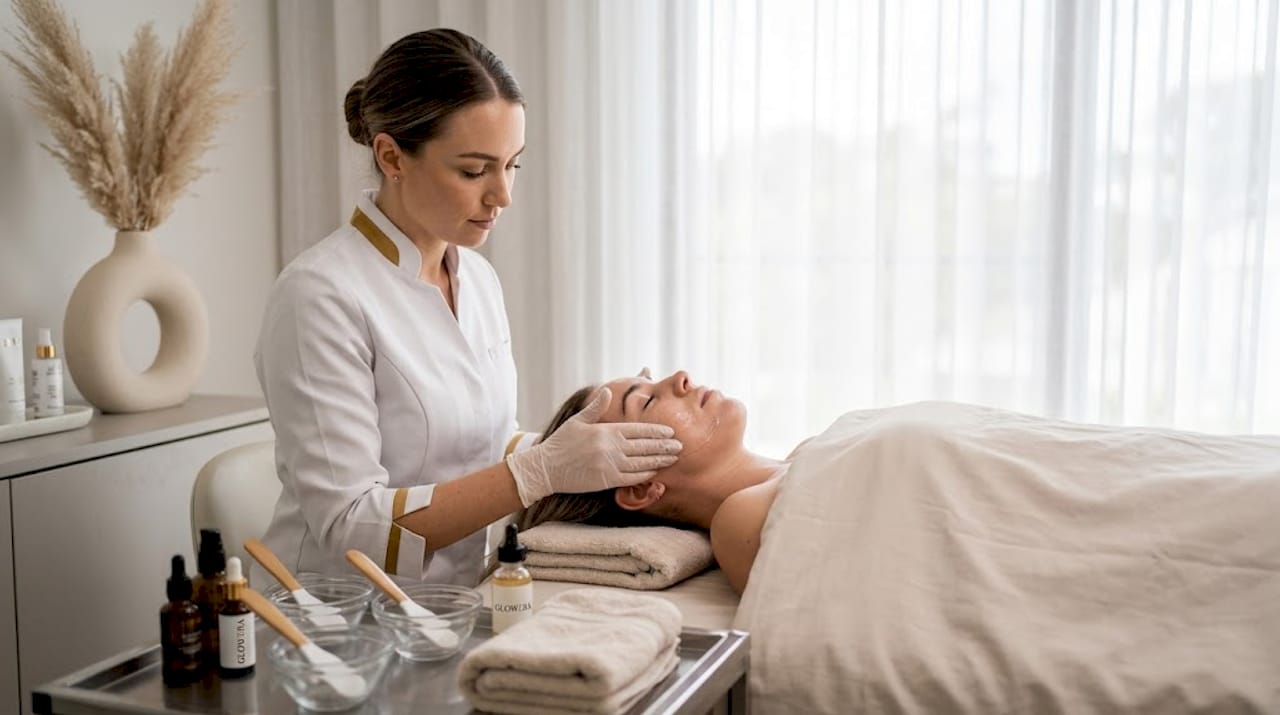
Conductive gel is often treated as an afterthought in microcurrent therapy, something to stop a device from dragging across the skin. The reality is quite different. The role of conductive gel in microcurrent treatment is fundamentally electrical. Without a stable, low-resistance medium between the device’s metal probes and your skin, the current simply cannot travel consistently into the facial muscles and tissues where the real work happens. Understanding this changes how you approach every session, and directly affects whether your device delivers the results you paid for.
Table of Contents
- Key takeaways
- How microcurrent therapy works and why conductivity matters
- Properties and formulation of conductive gels
- Correct application techniques for optimal results
- Conductive gel versus serums and moisturisers
- Benefits of using the right gel for skin rejuvenation
- My perspective on conductive gels being underestimated
- Get the most from your microcurrent routine with Glowera
- FAQ
Key takeaways
| Point | Details |
|---|---|
| Gel enables current delivery | Conductive gel completes the electrical circuit between the device and skin, making effective treatment possible. |
| Formula matters significantly | Water-based gels with electrolytes outperform serums, oils, and plain water for stable conductivity. |
| Application depth affects results | A generous, visible wet layer applied in sections and refreshed mid-session is required for consistent outcomes. |
| Substitutes reduce efficacy | Moisturisers and serums contain silicones or oils that block current penetration and reduce treatment effectiveness. |
| Gel quality supports skin benefits | Proper gel use improves collagen stimulation, muscle toning, and comfort across every session. |
How microcurrent therapy works and why conductivity matters
Microcurrent therapy delivers low-level electrical currents, typically in the range of microamperes, to facial muscles and connective tissue beneath the skin’s surface. These currents mimic the body’s own bioelectrical signals, prompting muscles to contract and relax in ways that improve tone, firmness, and the skin’s overall texture. For anyone serious about learning how microcurrent treatment works, understanding the electrical circuit involved is the foundation.
The device’s probes must form a complete circuit through the skin. Dry skin has naturally high electrical resistance, which means current struggles to penetrate at a useful depth. Conductive gel lowers that resistance, creating a pathway that allows current to travel smoothly and predictably from one probe to the other via the skin and underlying tissue.
When that pathway is compromised, the effects are immediate and noticeable:
- Patchy current delivery. Resistance fluctuates unpredictably, meaning some areas receive too much stimulation while others receive almost none.
- Stinging or discomfort. Skipping gel causes stinging and reduced treatment effects, particularly around bony or thinner-skin areas.
- Device errors or feedback signals. Many modern microcurrent devices detect resistance spikes and either pause or reduce output automatically, effectively interrupting the treatment.
- Reduced long-term results. Inconsistent current dosing means muscles are not being worked evenly, so the cumulative toning effect over weeks of use is diminished.
This is why the gel is not optional. It is the medium that makes the therapy function as intended.
Properties and formulation of conductive gels
Not every gel marketed for skincare will work for microcurrent. The formulation must meet specific electrical and physical requirements to support consistent treatment.
Water-based versus oil or silicone-based formulas
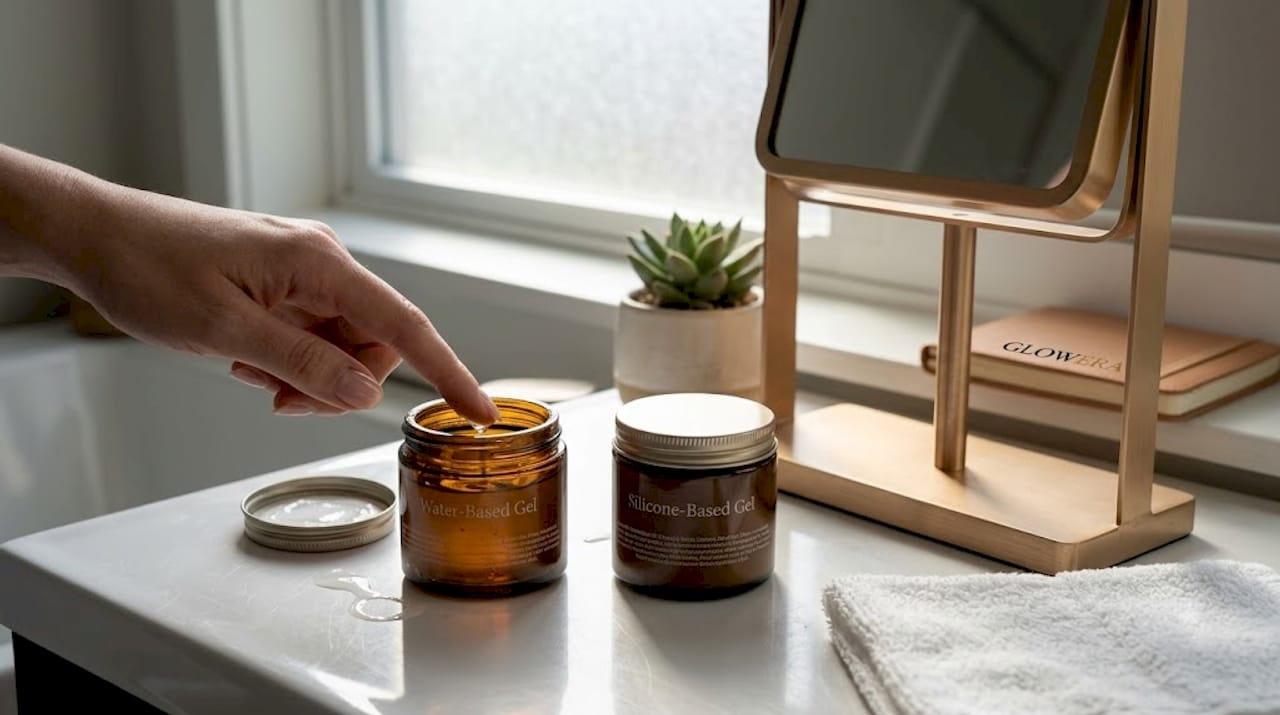
Water conducts electricity. Oil and silicone do not. This single fact explains why conductive gels designed for electrotherapy are almost always water-based. The water acts as the solvent that carries ions, and it is those ions that actually facilitate electrical conduction through the medium. Water alone evaporates quickly, causing resistance to spike and current delivery to become inconsistent, which is why formulated gels include additional components to stabilise performance throughout a session.
The role of electrolytes, humectants, and viscosity
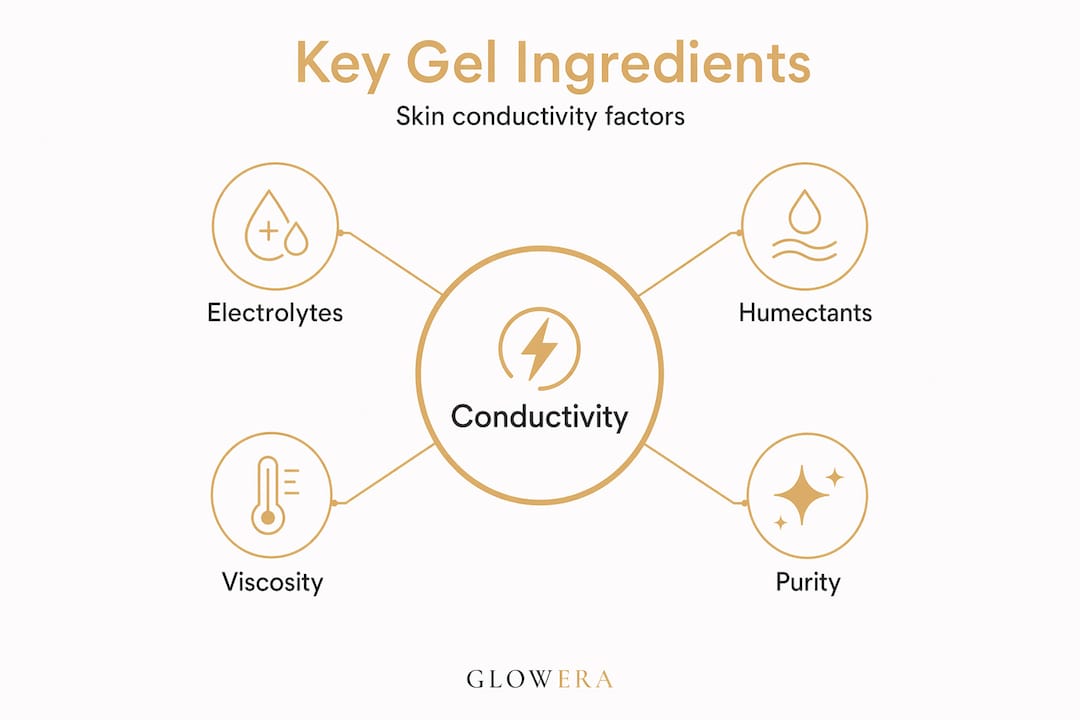
Electrolytes such as sodium, potassium, and chloride ions significantly improve a gel’s conductivity. Humectants like glycerin and hyaluronic acid retain moisture within the gel, slowing evaporation and keeping the medium stable as the session progresses. Viscosity matters too. A gel that is too thin will run off the skin and dry quickly. Too thick, and it can interfere with smooth device glide and uneven application.
The following table outlines common gel types and their suitability for microcurrent use:
| Gel type | Conductivity | Moisture retention | Suitable for microcurrent? |
|---|---|---|---|
| Water-based with electrolytes | High | Good | Yes, preferred option |
| Plain water or water mist | Low | Very poor | No, evaporates too quickly |
| Aloe vera gel (pure) | Moderate | Moderate | Limited; variable conductivity |
| Silicone-based gel | Very low | Not applicable | No, insulates against current |
| Oil-based serum or balm | None | Not applicable | No, blocks current entirely |
| Hyaluronic acid serum | Low to moderate | Good | Not recommended as sole medium |
Pro Tip: Check your gel’s ingredient list for glycerin or sodium chloride near the top. These indicate a formula built for conductivity, not just skin comfort.
Correct application techniques for optimal results
Even the right gel will underperform if it is applied incorrectly. This is one of the most common reasons people find their microcurrent device application is not delivering the results they expected.
Follow these steps to maximise every session:
-
Start with clean, product-free skin. Remove all traces of moisturiser, serum, or sunscreen before applying gel. Layering gel over other products risks blocking current delivery, as silicones and oils form a barrier the current cannot pass through reliably.
-
Apply a generous, visible wet layer. This is not a thin film. You should see the gel glistening on the skin. Applying a generous gel layer prevents device drag and promotes even current penetration across the treatment zone.
-
Work in manageable sections. Treat one area of the face at a time, forehead, cheeks, jawline, and neck separately. This prevents the gel on untreated areas from drying out while you focus elsewhere.
-
Reapply mid-session without hesitation. Reapplying gel halfway through a session prevents evaporation and maintains conductivity. Do not wait until you feel discomfort or drag.
-
Clean the device probes after every session. Dried gel residue increases electrical resistance on the metal probes and reduces performance over time. A damp cloth after each use is sufficient for most devices.
Pro Tip: If the device starts to feel like it is pulling at the skin rather than gliding, that is your cue to reapply gel immediately. Do not push through the drag, as mid-session dry-out causes stinging and uneven current dosing.
Conductive gel versus serums and moisturisers
A persistent myth in the skincare community is that a good serum, particularly a hydrating or hyaluronic acid-based one, can stand in for conductive gel during a microcurrent session. This misunderstanding leads to wasted sessions and, sometimes, discomfort.
The core issue is chemistry. Here is how common skincare products compare when assessed for their suitability in microcurrent therapy:
| Product type | Electrical conductivity | Typical ingredients that affect current | Safe to use as gel substitute? |
|---|---|---|---|
| Dedicated conductive gel | High | Electrolytes, glycerin, water | Yes |
| Hyaluronic acid serum | Low | HA, alcohol, preservatives | No |
| Water-based moisturiser | Very low | Emulsifiers, fatty acids, water | No |
| Rich moisturiser or cream | None to very low | Silicones, oils, emollients | No |
| Aloe vera (pure gel) | Moderate but variable | Water, acemannan | Not reliably |
Beyond conductivity, there is the issue of layering. When a moisturiser or serum sits on the skin before the gel, it can form a partial barrier that disrupts the electrical circuit. Silicones insulate and prevent current from reaching the targeted muscles beneath the surface, which is precisely the opposite of what microcurrent therapy requires.
This does not mean serums and moisturisers have no place in your routine. They absolutely do. Apply your microcurrent gel first, complete your session, then cleanse and follow with your hydrating serum and moisturiser. This sequence protects both the efficacy of the treatment and the integrity of your skincare products.
- Avoid aloe vera as a sole conductor. Its conductivity is inconsistent depending on concentration and brand.
- Do not use water as a substitute. It evaporates far too quickly to maintain a stable current pathway throughout a session.
- Serums are for post-treatment hydration, not for facilitating microcurrent delivery.
Benefits of using the right gel for skin rejuvenation
When the role of conductive gel in microcurrent treatment is properly understood and the correct product is used consistently, the cumulative benefits are tangible. The gel does not just make the session more comfortable. It fundamentally determines whether the treatment achieves its anti-aging objectives.
Stable, consistent current delivery stimulates the production of ATP (adenosine triphosphate) in skin cells, which supports collagen synthesis and muscular re-education over time. Even gel layers avoid stinging and maintain smooth device glide, meaning the device can be worked methodically across the face without interruption. Sessions that are completed correctly, without dry-out or resistance spikes, deliver a more even dose of current to every treatment area.
“The difference between a frustrating microcurrent routine and one that delivers visible lifting and firmness often comes down to the gel. Correct application and product choice determine whether the current actually reaches the muscles it is meant to work.”
For those pursuing genuine skin rejuvenation, the gel is where the microcurrent therapy benefits are either unlocked or lost. Hydrating gel formulas also contribute to improved skin moisture during treatment, so skin feels plumper and more comfortable immediately afterwards, an added benefit alongside the longer-term toning effects.
My perspective on conductive gels being underestimated
I have seen a consistent pattern in how people approach their microcurrent routines: considerable thought goes into choosing the device, very little thought goes into the gel. Brands like NuFACE are researched extensively before purchase, yet the conductive gel that enables those devices to function is treated as a low-priority add-on. In my experience, this is where most ineffective home treatments originate.
What I have learned is that the device’s specification matters far less than you might expect if the gel application is careless. A mid-range device used with quality gel, applied generously and refreshed regularly, will consistently outperform a premium device used with a drying aloe substitute or a thin layer of serum.
I also find that the device maintenance angle is almost entirely ignored. Cleaned probes with fresh gel every session produce noticeably more consistent feedback from the device. The electrical resistance stays low, the device runs at its intended output, and the skin responds accordingly.
One thing worth noting: effectiveness depends on gel chemistry, not the manufacturer’s name on the packet. There is no need to pay premium prices for branded gel if a third-party product matches the electrical and viscosity specifications. What you cannot substitute is the correct formulation itself.
Prioritise gel quality and application habits as seriously as you do device selection. The results will reflect it.
— Adam
Get the most from your microcurrent routine with Glowera
Ready to put this knowledge into practice? Glowera stocks a curated range of professional-grade microcurrent facial devices from trusted brands including NuFACE, ZIIP, and FOREO, alongside compatible conductive gels selected to match each device’s electrical requirements.

Whether you are beginning your microcurrent journey or upgrading your current setup, pairing the right device with a compatible, properly formulated gel is the foundation for results you can see. Glowera’s K-beauty tech collection also features advanced tools from brands like Medicube, offering a broader range of options for those exploring at-home professional-grade skincare. Every product listed comes with detailed compatibility information, so you can shop with confidence and start your sessions correctly from day one.
FAQ
What is the role of conductive gel in microcurrent treatment?
Conductive gel lowers the skin’s natural electrical resistance, creating a stable pathway for microcurrent to travel into facial muscles and tissues. Without it, current delivery is inconsistent and treatment effectiveness is significantly reduced.
Can I use a serum or moisturiser instead of conductive gel?
No. Serums and moisturisers typically contain silicones, oils, or emulsifiers that insulate the skin rather than conduct electricity, blocking the current from reaching deeper tissue where microcurrent therapy works.
How much conductive gel should I apply?
Apply a generous, visibly wet layer across the treatment area, not a thin film. Reapply mid-session to prevent evaporation and maintain stable conductivity throughout.
How often should I clean my microcurrent device probes?
Clean the metal probes after every session using a damp cloth. Dried gel residue builds up on the electrodes and increases electrical resistance, reducing the device’s output consistency over time.
Is aloe vera gel a good alternative to conductive gel?
Pure aloe vera has some conductivity but it is variable and unreliable as a sole medium. Its inconsistent ion content and tendency to dry quickly make it a poor substitute for a purpose-formulated conductive gel.