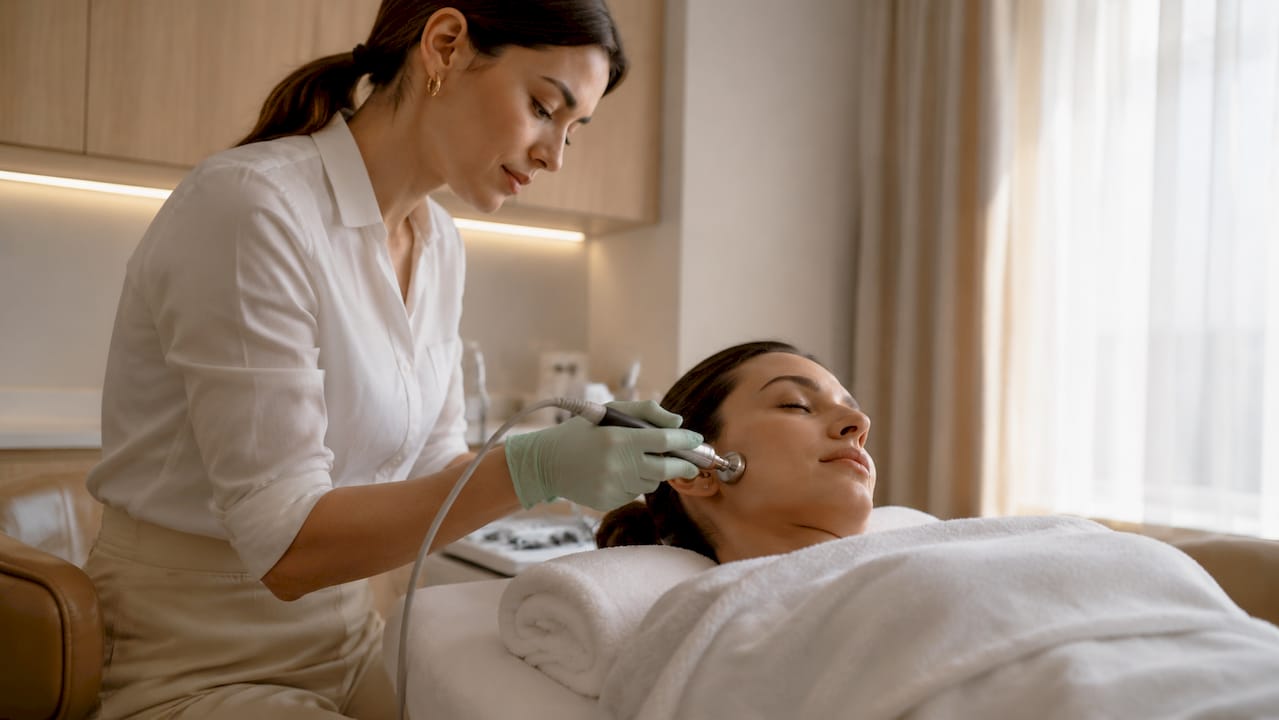
If you are considering CurrentBody LED light therapy as part of your skincare routine, you are not alone. LED photobiomodulation (the clinically recognised term for light-based cellular stimulation) has moved firmly from clinic to bathroom shelf, and CurrentBody sits at the centre of that shift. The market is noisy, the claims are bold, and separating genuine results from marketing gloss takes more than a cursory search. This guide covers how the technology works, what the device specifications actually mean, how to use it correctly, and what you can realistically expect to see in the mirror.
Table of Contents
- Key takeaways
- How CurrentBody LED light therapy works
- What device specs actually tell you
- How to use it safely and effectively
- Realistic results and what the evidence shows
- My honest take on LED therapy at home
- Shop CurrentBody LED devices at Glowera
- FAQ
Key takeaways
| Point | Details |
|---|---|
| Science is legitimate but nuanced | Red and near-infrared light can stimulate collagen and reduce inflammation, though device parameters determine real results. |
| Specifications matter enormously | Irradiance, wavelength precision, and flexible silicone design separate effective devices from decorative ones. |
| Dosing is non-negotiable | Sessions of 10 to 20 minutes, three to five times per week, are optimal. More is not better and can cause irritation. |
| Results require patience | Visible improvements in skin texture and brightness typically emerge between weeks two and eight of consistent use. |
| FDA clearance is the baseline | Prioritise devices that have passed regulatory review. It distinguishes clinically validated tools from unverified products. |
How CurrentBody LED light therapy works
The biological mechanism behind LED facial therapy is called photobiomodulation (PBM), sometimes referred to as low-level laser or light therapy (LLLT). It sounds complex, but the principle is straightforward. Specific wavelengths of light penetrate the skin at different depths and are absorbed by mitochondria within skin cells. That absorption triggers a cascade of cellular activity: more ATP (cellular energy) is produced, oxidative stress is reduced, and the cells begin repairing and regenerating more actively.
Two wavelengths are central to most evidence-backed red light therapy for skin. Red light at approximately 633nm penetrates the epidermis and upper dermis, where it supports collagen synthesis, reduces inflammation, and accelerates cell turnover. Near-infrared light at approximately 830nm penetrates deeper, reaching the dermal layer where it works on fibroblast activity and circulatory support. Forum Dermatologicum research confirms that both wavelengths show consistent improvement in photoaging signs including skin texture and wrinkle reduction, though efficacy depends heavily on device parameters such as wavelength precision and irradiance.
The biological effects are real and measurable. Regular exposure at the correct parameters supports increased collagen density, improved skin plumpness, reduced redness from inflammation, and a more even skin tone. Scientific American notes that the mitochondrial mechanism is well-supported, though commercial claims frequently outpace the evidence on some specific applications. The honest position is that the core science is sound, the results are real at the right parameters, and variability exists based on skin type, age, and the quality of the device being used.
Pro Tip: Red light at 633nm and near-infrared at 830nm are not interchangeable. A device advertising “red light” without specifying wavelength may be delivering light outside the evidence-backed therapeutic range.
What device specs actually tell you
Not all LED therapy devices perform equally. Two masks can look almost identical and deliver drastically different real-world results. Clinical evidence confirms that efficacy strongly depends on correct device parameters, which is why understanding the specifications before purchasing matters.
Irradiance and dose
Irradiance refers to the power of light delivered per unit of skin surface area, measured in milliwatts per square centimetre (mW/cm²). Too little and the biological response is insufficient. Too much and tissue irritation becomes a risk. FDA-cleared LED masks with irradiance in the 20 to 50 mW/cm² range are recommended for effective home use, striking the balance between stimulus and safety.
Device design and light delivery
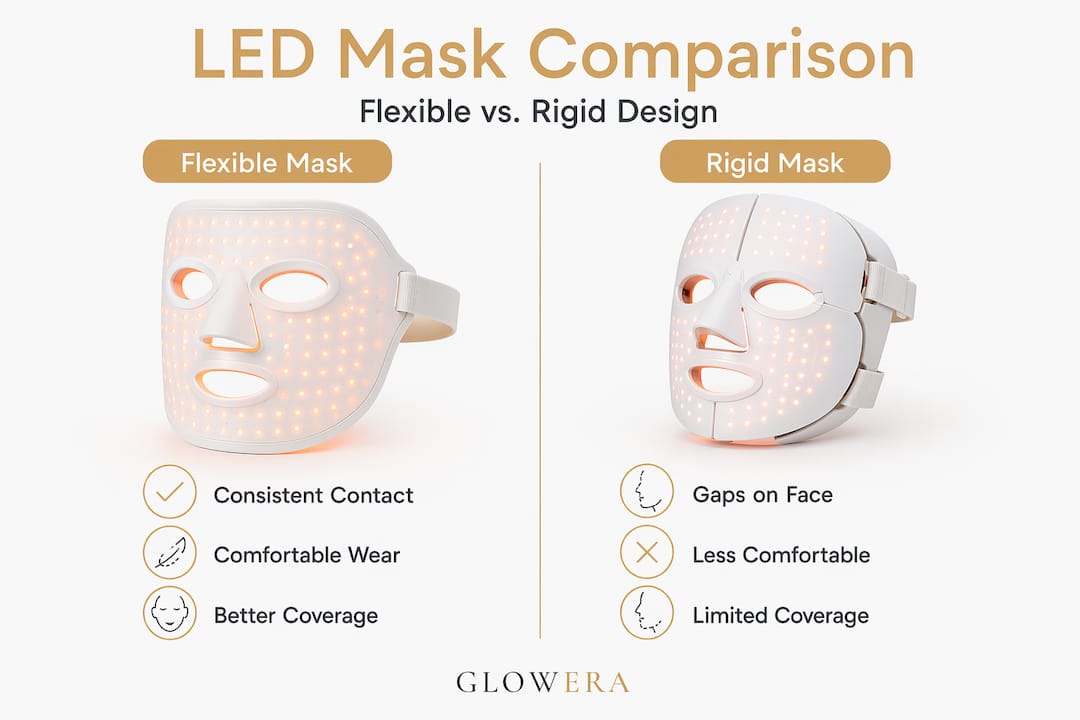
One of the most underappreciated factors in LED facial therapy is how closely the light source sits against the skin. Rigid plastic masks create an air gap between the LED panels and the skin surface. That gap reduces the irradiance actually reaching skin cells, regardless of what the device specifications claim at zero distance. Flexible silicone design directly addresses this by conforming to facial contours, reducing air gap, and maintaining consistent light delivery across the entire treatment surface.
| Feature | Flexible silicone mask | Rigid plastic mask |
|---|---|---|
| Skin contact | Consistent across facial contours | Variable. gaps likely around nose and jaw |
| Irradiance delivered | Closer to rated specification | Reduced by air gap |
| Comfort during use | Generally higher | Can feel heavy or loose |
| Fit for different face shapes | Adapts to individual anatomy | Fixed shape. may not suit all users |
| Typical regulatory status | Often FDA-cleared | Varies. many unverified |
CurrentBody Series 2 specifications
The CurrentBody Series 2 LED mask features 236 LEDs across three precise wavelengths: 633nm red, 830nm near-infrared, and 1072nm deep near-infrared, with an irradiance of 30 mW/cm². The flexible silicone construction sits within that specification range and holds FDA clearance, which means it has passed safety and efficacy regulatory review relevant for home cosmetic use. That clearance is not a minor detail. FDA-cleared devices have undergone standardised testing that unverified devices simply have not.
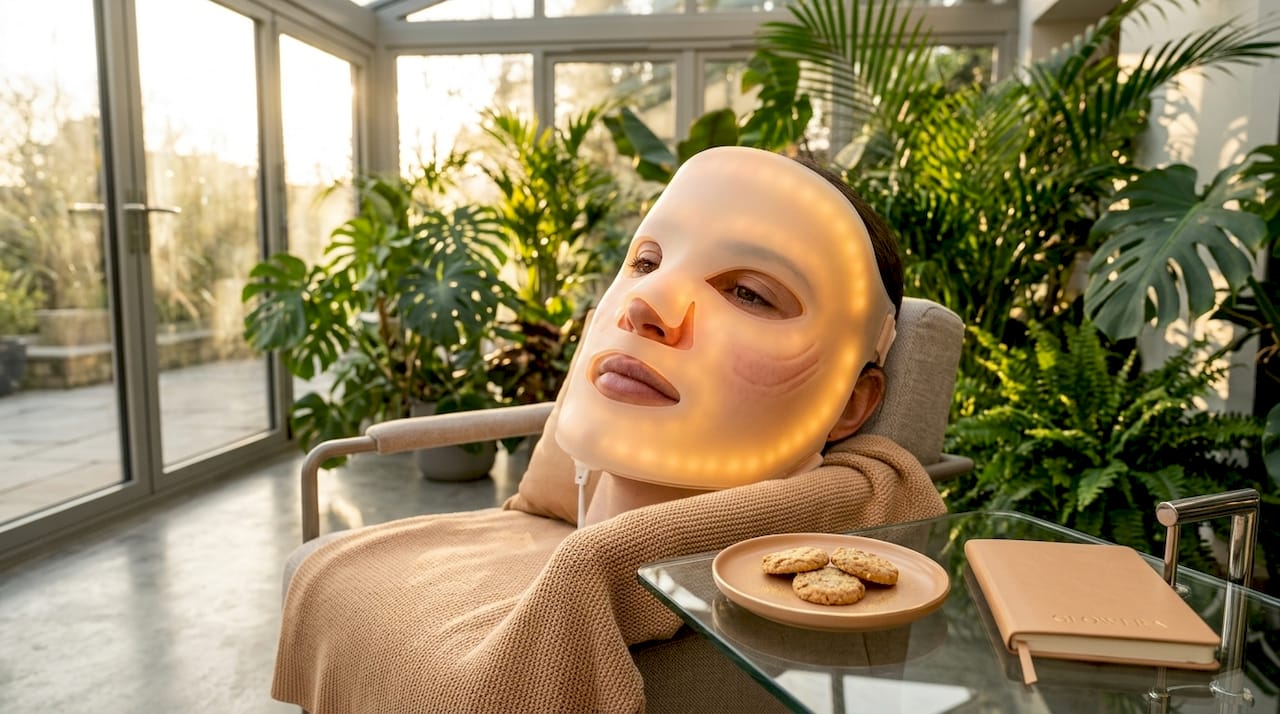
Pro Tip: When comparing LED masks, ask for the irradiance figure at skin contact distance, not at source. The difference can be significant with rigid designs.
How to use it safely and effectively
Knowing how the device works is only half the picture. How you use it determines whether you see results or waste your investment. The following protocol is aligned with both manufacturer guidance and expert dermatologist recommendations.
-
Cleanse thoroughly before each session. Remove all makeup, SPF, and skincare products. Residue on the skin can absorb or scatter light, reducing treatment effectiveness and potentially causing unwanted reactions with concentrated light exposure.
-
Apply the mask to clean, dry skin. Position the flexible silicone mask carefully so it sits flush across your forehead, cheeks, nose, and chin. Adjust the straps to eliminate gaps.
-
Stick to the recommended session length. Ten minutes per session is the protocol for the CurrentBody Series 2. Dermatologist guidance supports sessions of 10 to 20 minutes, three to five times per week. This is not a suggestion. It is a clinical dosing parameter.
-
Do not use the device daily for extended periods. Overuse is a documented risk. More frequent or longer sessions do not accelerate results and can actually cause skin tightening, irritation, and reduced treatment benefit over time.
-
Apply a barrier moisturiser immediately after each session. Post-treatment skin has increased cellular activity. Applying a quality moisturiser within minutes of removing the mask supports the regenerative process and strengthens the skin barrier.
-
Use SPF daily without exception. Post-treatment skin can have increased photosensitivity. Daily broad-spectrum SPF is non-negotiable during any LED therapy programme. Skipping this step can reverse gains and damage skin that is actively repairing.
Pro Tip: Treat your LED sessions the same way you would treat a clinical appointment. Prepare properly, follow the protocol, and support the treatment with correct post-care. Consistency and preparation produce results. Improvisation rarely does.
Realistic results and what the evidence shows
One of the most common reasons people abandon LED home devices is misaligned expectations. The devices work, but they do not work instantly and they do not work like injectables. Managing the timeline and the type of change you are looking for makes a significant difference to your experience.
Consistent use of CurrentBody LED masks at five sessions per week over eight to twelve weeks produces visible improvements in skin brightness, texture, and wrinkle depth, with most users noting early changes around weeks two to three and a plateau effect emerging around the eight to twelve week mark. That plateau is not failure. It represents the device’s corrective contribution to your skin, and continued use at a maintenance frequency (two to three times per week) sustains and protects those gains long term.
Here is what the evidence and user experience consistently support:
- Improved skin texture and smoothness from increased collagen support in the dermis, typically noticeable by week three to four of consistent use.
- Reduction in fine lines and surface wrinkles, particularly around the eyes and forehead, building gradually over two to three months.
- More even skin tone, with reduced redness and improved clarity, often one of the earlier visible changes.
- Increased skin plumpness, reflecting improved moisture retention and dermal density from collagen activity.
- Subtle but meaningful improvement in overall radiance, described by users as a fresher glow rather than a dramatic transformation.
Results vary across individuals. Skin type, age, baseline collagen density, hormonal factors, and adherence to post-treatment care all influence outcomes. Deeper skin tones respond well to red and near-infrared wavelengths, as these do not carry the pigmentation risks associated with other light-based treatments. People with active inflammatory skin conditions should consult a dermatologist before beginning any LED therapy programme.
The scientific consensus, as covered in detail by published dermatology research, positions LED photobiomodulation as a credible, well-tolerated adjunct to a skincare routine rather than a standalone cure. That is the accurate framing. It works best when it supports a considered skincare routine, not when it is expected to replace one.
My honest take on LED therapy at home
I have watched the LED mask market grow from a professional-only niche into a genuinely crowded consumer category, and my view has stayed consistent throughout: the technology is legitimate, but the discipline of using it correctly separates people who see results from those who do not.
What I see most often is this. Someone invests in a well-specified device, uses it enthusiastically for two weeks, sees subtle early improvement, then starts doubling the session length or using it every day thinking they will accelerate progress. They do not. They get irritation, question the device, and stop. The science is not the problem. The approach is.
I have also noticed a tendency to choose LED masks based on aesthetics or brand recognition rather than clinical specification. Two masks can look identical and differ by 15 mW/cm² in actual irradiance. That gap in specification translates to a gap in results, every time. My recommendation is always to lead with the irradiance figure, the wavelength precision, the FDA clearance status, and the design quality. If those parameters are right, trust the protocol and give it time.
LED therapy sits in a specific and useful part of the anti-aging skincare toolkit. It is not the highest-impact intervention available, but it is one of the most consistently safe and tolerable options for home use with genuine long-term benefit. If you are managing photoaging, working on skin texture, or looking for a low-risk way to support collagen production over time, a clinically specified LED mask used correctly is a sound investment.
The mistake I want you to avoid is confusing more with better. Respect the dosing, prepare your skin, protect it afterwards, and measure results over months rather than weeks.
— Adam
Shop CurrentBody LED devices at Glowera
Glowera stocks authentic CurrentBody LED light therapy devices for customers across the UAE, including the CurrentBody LED therapy panel and face mask range. Every device listed on the platform is sourced directly and carries full FDA clearance documentation, so you know exactly what you are getting. Alongside the devices, Glowera provides educational guides and curated skincare advice to help you build a protocol that works for your skin type and goals. Browse the complete LED therapy collection on Glowera to compare specifications, read detailed product breakdowns, and find the right device for your routine.
FAQ
How does CurrentBody LED light therapy work?
CurrentBody LED devices use specific wavelengths of red (633nm) and near-infrared (830nm) light to stimulate mitochondrial activity within skin cells, supporting collagen production, reducing inflammation, and improving skin texture through a process called photobiomodulation.
How often should I use a CurrentBody LED mask?
The recommended protocol is 10-minute sessions three to five times per week. Overuse beyond this frequency does not speed up results and can cause skin irritation.
When will I see results from LED facial therapy?
Most users notice early improvements in skin brightness and texture between weeks two and three, with more significant changes in fine lines and skin tone developing over eight to twelve weeks of consistent use.
Is the CurrentBody LED mask safe for all skin types?
Yes. Red and near-infrared wavelengths are well tolerated across all skin tones and do not carry the pigmentation risks associated with UV-based treatments. People with active skin conditions should consult a dermatologist beforehand.
Why does FDA clearance matter when choosing an LED mask?
FDA-cleared devices have passed standardised safety and efficacy review, distinguishing them from unverified products that may not deliver the irradiance or wavelength precision their marketing claims.