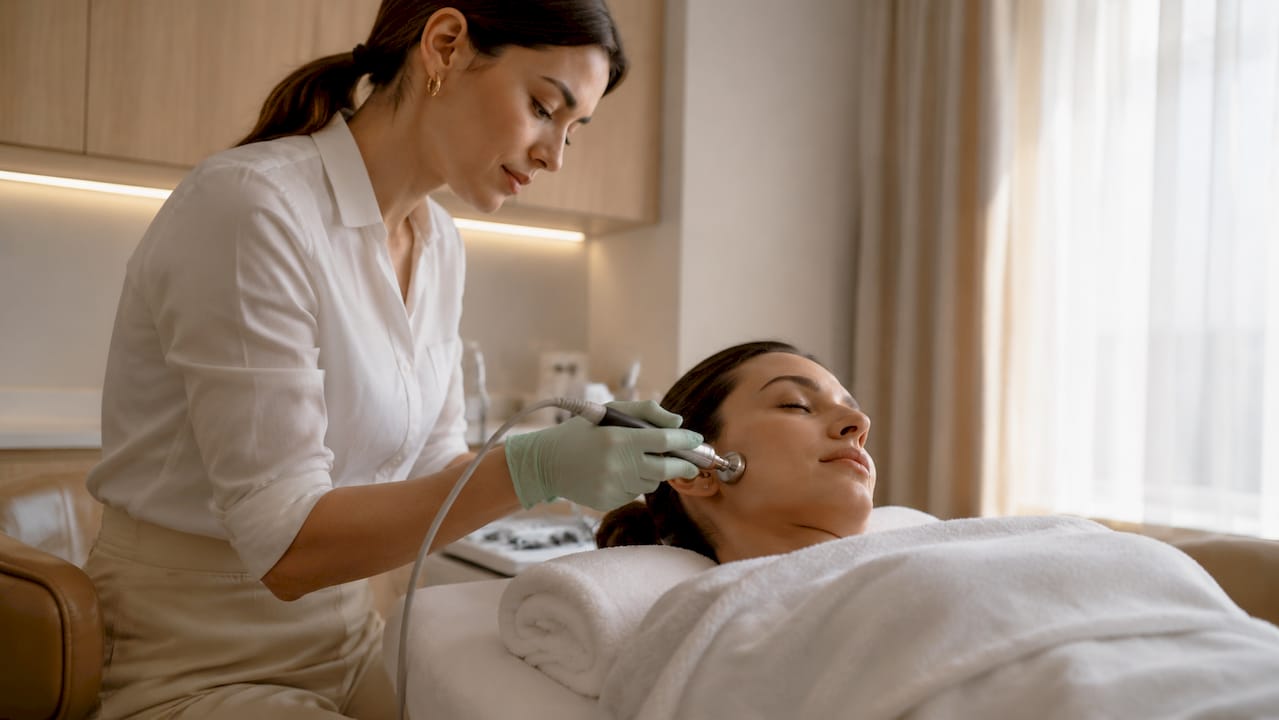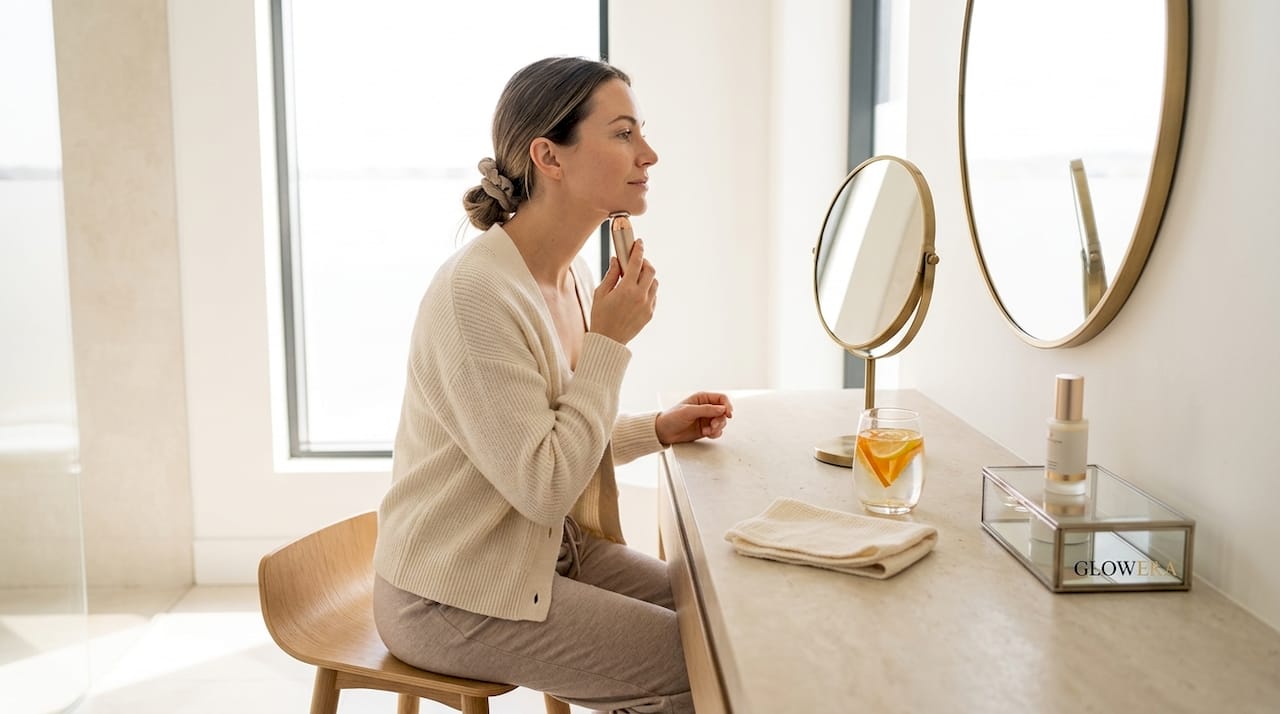
Choosing the right professional-grade facial device should feel empowering, yet the sheer volume of options on the market makes it genuinely confusing. Microcurrent, LED, RF microneedling, HIFU — each promises visible results, but not every technology suits every skin concern, budget, or lifestyle. For skincare enthusiasts in the UAE, where sun exposure, humidity, and fast-paced routines all shape skin health, the decision carries extra weight. This guide cuts through the noise by walking you through clear selection criteria, the most effective device types, and an honest comparison to help you invest wisely.
Table of Contents
- How to evaluate professional-grade facial devices
- Microcurrent devices: Toning and contouring
- LED light therapy devices: Treating skin tone and clarity
- Microneedling and RF microneedling: Texture and tightening
- Professional-grade facial device comparison: Find your best fit
- Our take: What actually matters when choosing a professional-grade device
- Shop top professional-grade facial devices in the UAE
- Frequently asked questions
Key Takeaways
| Point | Details |
|---|---|
| Know your needs | Choose a device that targets your main skin concern for best results at home. |
| At-home vs clinic power | Home devices offer convenience and safety but deliver gentler effects than professional treatments. |
| Consistency is key | Regular use—often several weeks—makes the biggest difference with any professional-grade beauty device. |
| Safety first | Always check device suitability for your skin type and follow the instructions to avoid irritation. |
| Match to your routine | The most effective device is one that fits smoothly into your skincare habits and goals. |
How to evaluate professional-grade facial devices
Not every device marketed as “professional-grade” deserves that label. Genuine professional-grade at-home devices are defined by three core attributes: clinically validated technology, measurable output levels (such as milliamps for microcurrent or milliwatts per centimetre squared for LED), and documented safety clearances from regulatory bodies such as the FDA or CE.
What separates a professional-grade device from a basic beauty gadget?
- Consistent, calibrated energy output across every session
- Peer-reviewed or clinical evidence supporting the technology
- FDA clearance or equivalent regulatory approval for home use
- Durable build quality with medical-grade materials
- Clear protocols for usage frequency and contraindications
Understanding the difference between at-home and clinic versions is equally important. At-home devices deliver milder effects than their clinic counterparts — for example, lower microcurrent power and surface-level radiofrequency (RF) rather than deep RF microneedling — but FDA clearance ensures they remain safe and effective for regular home use. This is not a compromise; it is a deliberate design choice that prioritises safety without sacrificing meaningful results over time.
When setting your expectations, consider four practical factors: your primary skin concern (firmness, acne, pigmentation, texture), the device’s ease of use and learning curve, ongoing maintenance costs such as replacement heads or conductive gel, and your total budget including accessories. Exploring microcurrent device features in detail before purchasing can help you match technology to your specific goals rather than buying based on brand recognition alone.
Pro Tip: Before purchasing any device, photograph your skin in consistent lighting every two weeks. This simple habit makes progress visible and keeps you motivated during the 8 to 12-week period before results become obvious to others.
With a framework for assessing your needs, let’s look at the most popular types of professional-grade facial devices you can use at home.
Microcurrent devices: Toning and contouring
Microcurrent technology is one of the most well-established modalities in at-home beauty tech. Microcurrent devices use low-level electrical currents to tone facial muscles, providing lift and contouring with immediate effects that accumulate progressively over weeks of consistent use. Think of it as a workout for the 43 muscles in your face, stimulating them gently to restore tone and definition without any discomfort or downtime.
How microcurrent works in practice:
- Electrical currents in the range of 200 to 400 microamps mimic the body’s own bioelectrical signals
- These signals prompt the facial muscles to contract and re-educate, much like physiotherapy for the face
- Adenosine triphosphate (ATP) production increases at the cellular level, supporting collagen and elastin synthesis
- Results include a lifted jawline, more defined cheekbones, and reduced appearance of jowling
The safety profile of FDA-cleared microcurrent devices is well established for home use. However, individuals with pacemakers, epilepsy, or active metal implants in the face should avoid these devices entirely. For everyone else, the microcurrent skincare benefits are accessible and genuinely visible, particularly for those experiencing early signs of facial muscle laxity.
Microcurrent is particularly well suited to the UAE lifestyle because sessions typically take between five and twenty minutes, making them easy to incorporate into a morning or evening routine. Brands such as NuFACE and ZIIP have built strong reputations in this category, and their devices are available for UAE microcurrent devices with local delivery.
Pro Tip: Always apply a conductive gel or activating serum before using a microcurrent device. Dry skin significantly reduces conductivity, diminishing results and potentially causing minor skin irritation. Many brands offer their own formulated gels, which are worth using for optimal performance.
While microcurrent devices focus on muscle tone, other technologies target the skin itself. Next, explore LED light therapy devices.
LED light therapy devices: Treating skin tone and clarity
LED (light-emitting diode) therapy is one of the most versatile and universally safe technologies in the at-home device category. LED light therapy devices employ specific wavelengths — red light for collagen stimulation and blue light for acne control — to improve skin tone, reduce inflammation, and enhance radiance without any thermal damage or recovery time.
Key wavelengths and their effects:
- Red light (620 to 700nm): Stimulates fibroblast activity, increasing collagen and elastin production; reduces fine lines and improves skin density
- Near-infrared light (800 to 900nm): Penetrates deeper into tissue, supporting cellular repair and reducing inflammation
- Blue light (415 to 450nm): Targets Cutibacterium acnes bacteria responsible for breakouts; reduces active acne lesions
- Yellow light (570nm): Calms redness and supports lymphatic drainage for a more even complexion
LED therapy is one of the few technologies clinically validated for use across all skin tones and sensitivities, making it an excellent starting point for those new to beauty tech or those with reactive skin.
For UAE users, LED therapy addresses two of the most common local concerns: post-sun inflammation and pigmentation. Regular red light sessions support the skin’s repair processes after UV exposure, while blue light sessions help manage the breakouts that heat and humidity can trigger. Sessions typically last between ten and twenty minutes, and most users report a fresher, more even complexion within three to four weeks of consistent use.
Explore the full range of LED light therapy devices available for UAE delivery, or browse LED skincare options by concern to find the right fit for your routine.
LED devices are excellent for skin clarity, but some users want deeper transformation. Enter microneedling and RF microneedling technologies.
Microneedling and RF microneedling: Texture and tightening
Microneedling and its advanced counterpart, RF microneedling, represent the most intensive technologies available for home use. Understanding the distinction between the two is essential before investing.
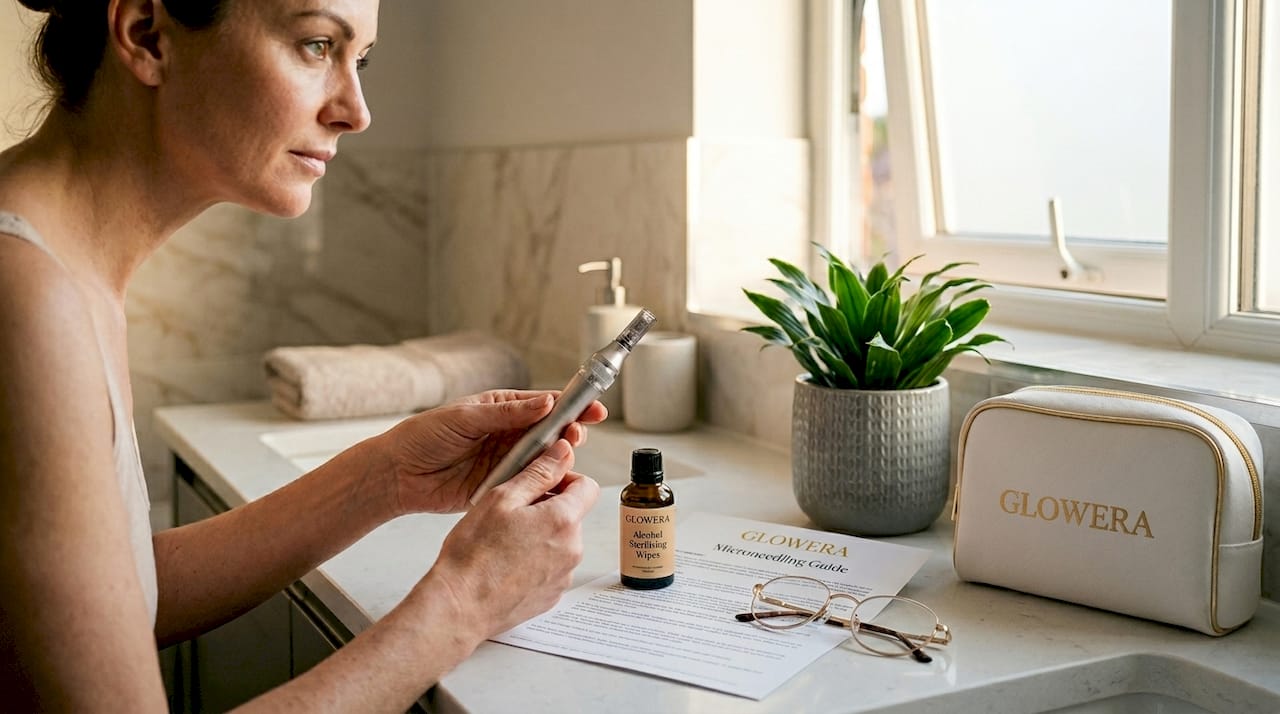
Traditional microneedling creates controlled micro-injuries in the skin to stimulate collagen production, improving texture, reducing the appearance of acne scars, and refining pore size. RF microneedling adds radiofrequency energy delivered through the needle tips, generating heat that tightens existing collagen fibres while stimulating new production. The RF component makes it significantly more effective for skin laxity but also means it is typically reserved for professional settings due to downtime and the precision required.
Comparing the two technologies:
- Traditional microneedling at home: Needle depths of 0.25 to 0.5mm are safe for home use; addresses texture and mild scarring; minimal downtime
- RF microneedling: Needle depths of 1 to 3mm with RF energy; requires professional administration for deeper treatments; significant redness and peeling for 3 to 5 days
- Home RF devices (surface-level): Devices such as the Medicube Age-R Ultra Tune deliver RF energy at safe surface levels, offering tightening benefits without the downtime of clinical RF microneedling
| Feature | Home microneedling | Home RF device | Clinic RF microneedling |
|---|---|---|---|
| Needle depth | 0.25 to 0.5mm | No needles | 1 to 3mm |
| Downtime | Minimal (24 to 48 hrs) | None | 3 to 5 days |
| Collagen stimulation | Moderate | Moderate | High |
| Skin tightening | Mild | Moderate | Significant |
| Suitable for home use | Yes | Yes | No |
For UAE users with diverse skin tones, it is worth noting that traditional microneedling and surface RF devices are generally safe across skin types. However, as with any premium skincare picks, always patch-test and consult a dermatologist if you have active inflammatory conditions before starting a microneedling protocol.
Precautions to observe:
- Avoid use on active acne, open wounds, or severely irritated skin
- In the UAE climate, apply SPF 50 consistently after any microneedling session as the skin is temporarily more photosensitive
- Sterilise device heads thoroughly before and after each use
- Allow at least 48 hours between microneedling sessions
Seeing how each device shines for particular concerns, a side-by-side comparison streamlines decision-making.
Professional-grade facial device comparison: Find your best fit
The table below provides a quick-reference summary to guide your selection based on primary skin concern, safety notes, and what to expect from consistent use.
| Device type | Best for | Session time | Results timeline | Key safety note |
|---|---|---|---|---|
| Microcurrent | Lifting, contouring, muscle tone | 5 to 20 min | 4 to 8 weeks | Avoid with pacemakers or metal implants |
| LED red light | Collagen, fine lines, post-sun repair | 10 to 20 min | 4 to 8 weeks | Safe for all skin tones |
| LED blue light | Active acne, oiliness, clarity | 10 to 15 min | 2 to 4 weeks | Avoid if photosensitive |
| Home microneedling | Texture, scarring, pore refinement | 15 to 30 min | 6 to 12 weeks | Avoid on active breakouts |
| Surface RF device | Tightening, firmness, contour | 10 to 20 min | 6 to 12 weeks | Patch-test on darker tones |
As
consistent use is key, with results typically appearing within 4 to 12 weeks, the most important factor in choosing a device is selecting one you will actually use regularly. A device that fits your schedule and feels comfortable to operate will always outperform a more powerful device that sits unused in a drawer.
Recommended approach by concern:
- Loss of firmness and facial definition: Start with microcurrent; add a surface RF device after 8 weeks if you want enhanced tightening
- Active acne and post-inflammatory marks: Begin with LED blue light; transition to LED red light as breakouts resolve to support healing
- Uneven texture and mild scarring: Home microneedling used fortnightly, followed by LED red light to accelerate collagen repair
- Sun damage and dullness: LED red and near-infrared light therapy, combined with a consistent SPF routine
- General anti-ageing maintenance: Rotate microcurrent and LED red light sessions throughout the week for a well-rounded protocol
For a detailed breakdown of specific brand options, the microcurrent device guide comparing NuFACE and FOREO Bear is an excellent resource. If you experience any redness or irritation post-treatment, soothing skincare for irritation can help restore comfort quickly.
Our take: What actually matters when choosing a professional-grade device
Here is the perspective that most device guides avoid: the biggest predictor of results is not the device’s power output or its price point. It is consistency. We see this pattern repeatedly — users who purchase entry-level microcurrent devices and use them five times per week for three months achieve more visible improvements than those who invest in premium devices and use them sporadically.
This matters especially in the UAE context. The combination of air-conditioning, intense UV exposure, and frequent travel creates a skin environment that responds well to regular, gentle stimulation rather than occasional intensive treatments. A steady microcurrent or LED routine builds cumulative cellular benefit in a way that a monthly intensive session simply cannot replicate.
The second point worth making plainly: at-home devices are designed to supplement professional treatments, not replace them entirely. The most effective routines we observe combine quarterly clinic visits (whether for deeper RF, chemical peels, or professional microneedling) with consistent at-home maintenance using devices such as those featured in this guide. This hybrid approach extends the longevity of clinic results and keeps the skin in an active, responsive state between appointments.
Finally, aftercare is where most users underinvest. The UAE climate demands SPF 50 every morning without exception, particularly after any microneedling or LED session. Hydration, both topical and internal, supports the cellular processes that these devices activate. Reviewing microcurrent device selection tips can also help you build a supporting skincare routine that amplifies your device results rather than working against them.
Shop top professional-grade facial devices in the UAE
If you are ready to elevate your skincare routine with technology that delivers real, measurable results, Glowera brings together the UAE’s most trusted selection of professional-grade beauty devices in one place.
From K-beauty tech devices from Medicube to LED light therapy masks from CurrentBody and Dr. Dennis Gross, and a full range of microcurrent facial devices from NuFACE and FOREO, every product is authenticated and shipped directly within the UAE. Shop by technology, skin concern, or brand, and explore curated sets designed for advanced multi-device routines. Glowera’s team is available to guide your selection if you need personalised advice before committing to a device.
Frequently asked questions
Are at-home professional-grade facial devices safe for daily use?
Most reputable at-home devices are FDA-cleared for home use and safe for regular sessions, but always follow the manufacturer’s recommended frequency and avoid overuse, as more is not always better with energy-based devices.
How soon can I see results from professional-grade beauty devices?
Visible improvements typically appear within 4 to 12 weeks with consistent use, as results depend on regularity and the specific device type; microcurrent often shows the quickest initial changes, while microneedling results build more gradually.
Is microneedling at home as effective as clinic treatments?
Home microneedling devices work at shallower depths and produce milder results than clinical treatments, but as traditional microneedling stimulates collagen effectively even at lower intensities, they remain a practical and worthwhile option for ongoing skin maintenance between clinic visits.
Who should avoid using RF or microneedling devices at home?
Anyone with active acne, open rashes, or significantly irritated skin should pause use until the skin has settled, as RF and microneedling on compromised skin can worsen inflammation; consult a dermatologist if you are uncertain about your skin’s readiness.
Which device is best for sensitive or darker skin tones?
LED therapy and microcurrent devices are the safest starting points for sensitive skin and darker complexions, as both technologies carry minimal risk of post-inflammatory hyperpigmentation; IPL devices, by contrast, require careful consideration and professional guidance for deeper skin tones.