Most people assume that buying an at-home microneedle device means getting the same results as a clinical session, just without the price tag. That assumption drives a great deal of disappointment and, more importantly, preventable skin damage. At-home microneedling occupies a genuinely useful position in a skincare routine, but it functions very differently from professional treatment. This guide helps UAE residents understand how these devices actually work, what realistic results look like, which safety steps are non-negotiable, and how local regulations shape what devices you should be using.
Table of Contents
- What is at-home microneedling and how does it differ from professional treatments?
- Understanding needle depth, device layouts, and their impact on results
- Safety, hygiene, and who should avoid at-home microneedling
- Aftercare: Product absorption, benefits, and mistakes to avoid
- Regulatory guidance and standards for microneedling devices in the UAE
- The uncomfortable truth about home microneedling: What most guides overlook
- Explore advanced beauty tech for safer home microneedling
- Frequently asked questions
Key Takeaways
| Point | Details |
|---|---|
| Needle depth matters | Home devices use short needles, so results are maintenance-focused rather than dramatic. |
| Safety is crucial | Proper hygiene and sanitation prevent infection and ensure safe at-home use. |
| Aftercare boosts results | Gentle, targeted post-treatment products help maximise benefits and minimise irritation. |
| Regulatory compliance protects you | In the UAE, use only devices registered and approved by local health authorities. |
| Expect gradual improvements | At-home microneedling yields subtler anti-ageing changes compared to professional procedures. |
What is at-home microneedling and how does it differ from professional treatments?
Microneedling is a technique that creates tiny, controlled punctures in the skin’s surface using fine needles. These micro-injuries trigger the skin’s natural repair response, stimulating collagen and elastin production over time. At-home devices apply this same principle but are deliberately designed with significant limitations to reduce the risk of serious injury when used without clinical supervision.
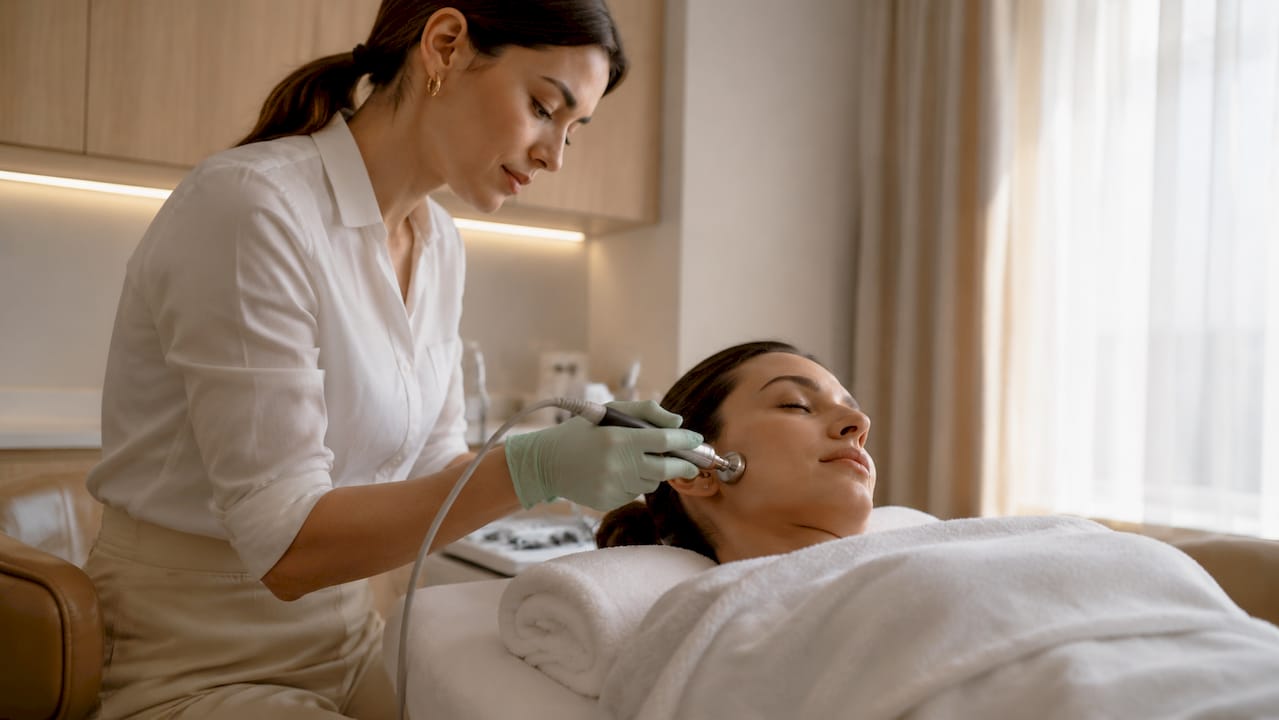
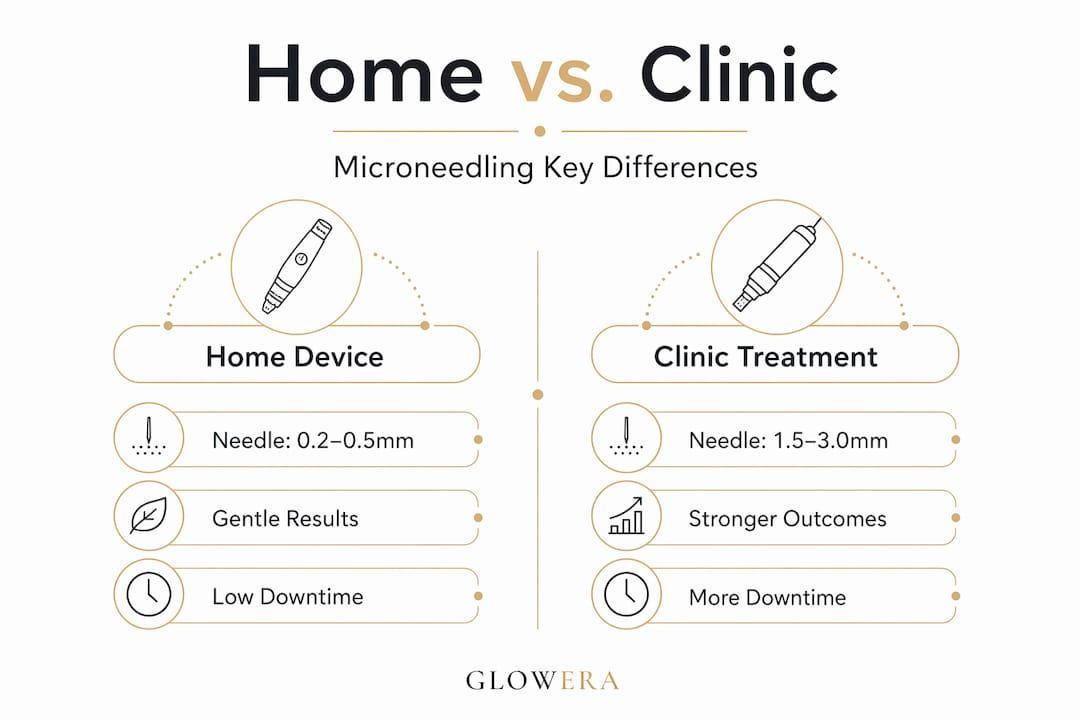
The most important practical difference between at-home and professional microneedling is needle depth and control. Professional devices reach depths of 1.5 mm to 3 mm with precisely calibrated motorised pens, targeting deeper dermal layers to address scarring, significant wrinkle depth, and pronounced texture issues. At-home devices, by contrast, typically operate between 0.2 mm and 0.5 mm, reaching only the outermost skin layers.
Three main device types are available for home use:
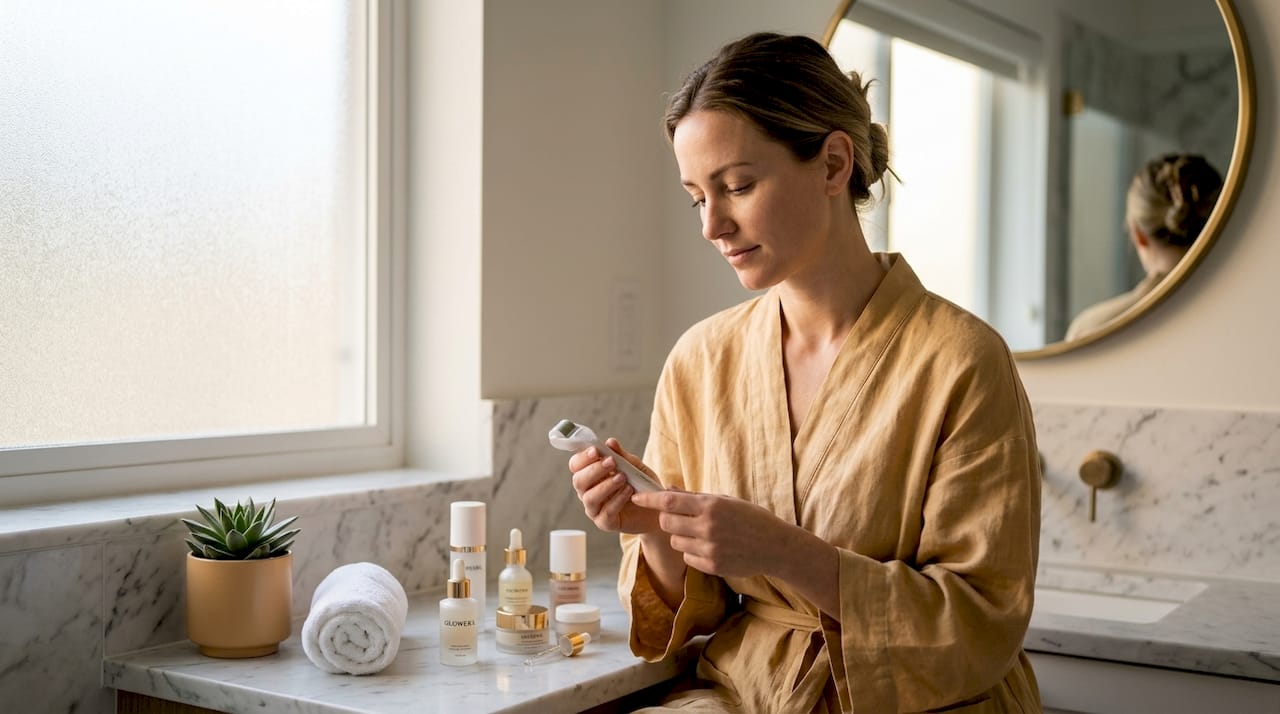
- Derma rollers: A wheel-shaped head covered in needles that rolls across the skin. Results depend heavily on angle, pressure, and rolling speed, all of which vary with each pass.
- Stamp devices: A flat cartridge pressed directly onto the skin in a vertical motion. These derma roller systems offer more consistent contact than rollers but require careful technique.
- Electric microneedle pens: Battery-operated devices with replaceable cartridges that mimic professional pen action at lower needle depths. These offer the most consistent results of the three home options.
| Feature | At-home device | Professional treatment |
|---|---|---|
| Needle depth | 0.2 mm to 0.5 mm | 1.5 mm to 3.0 mm |
| Collagen stimulation depth | Superficial | Deep dermal |
| Session control | User-dependent | Clinician-controlled |
| Anaesthetic required | No | Often yes |
| Downtime | Minimal (24 to 48 hours) | Several days |
| Scar/deep wrinkle improvement | Limited | Significant |
Understanding these distinctions matters because at-home microneedling supports maintenance and gradual skin refinement, whereas professional treatment addresses structural skin concerns. Pairing an understanding of microcurrent device features alongside microneedling basics helps build a well-rounded home skincare approach. For a broader foundation in device-based skincare, the microcurrent skincare guide provides useful context on how different technologies interact with skin biology.
Understanding needle depth, device layouts, and their impact on results
With the fundamental differences clear, it is essential to understand the mechanics and expectations of at-home microneedling devices.
Needle length at home directly determines which skin layer is affected. A 0.2 mm needle targets the very top of the epidermis (the outer skin layer), primarily improving product absorption. A 0.3 mm to 0.5 mm needle reaches the lower epidermis and begins to stimulate minor collagen activity. Neither depth approaches the dermis significantly, which is where most anti-ageing changes happen at a structural level.
For anti-ageing goals, a realistic expectation from home use is gradual texture improvement and enhanced topical absorption, not dramatic lifting or deep wrinkle elimination. This is not a limitation unique to one brand. It applies across the entire category of home devices.
Understanding needle stamp versus roller mechanics helps you choose the right format for your skin goals:
- Rollers cover larger areas quickly but create angled needle entry, which is less precise and can cause micro-tearing if too much pressure is applied.
- Stamps deliver vertical needle penetration, which is cleaner and more consistent for targeted areas like the forehead or around the mouth.
- Electric pens offer the highest consistency because motor speed controls needle oscillation, reducing the human error component significantly.
“Consistent technique matters more than frequency. Using a well-designed stamp device twice a month will outperform a roller used carelessly every week.”
Data overview: needle depth and target outcomes
| Needle length | Target layer | Primary benefit |
|---|---|---|
| 0.2 mm | Epidermis surface | Enhanced serum absorption |
| 0.3 mm | Lower epidermis | Mild texture refinement |
| 0.5 mm | Epidermal/dermal junction | Early collagen stimulation |
| 1.0 mm+ | Dermis (professional only) | Scar and wrinkle remodelling |
Pro Tip: If your primary goal is boosting the effectiveness of your serums, a 0.2 mm roller used before application can meaningfully increase ingredient penetration without the recovery time associated with longer needles.
For those exploring complementary anti-ageing technologies, understanding microcurrent skincare benefits helps clarify how different modalities can work in parallel. The NuFACE Mini is one example of a device that pairs well with a microneedling maintenance routine, working on muscle tone rather than skin texture.
Safety, hygiene, and who should avoid at-home microneedling
Once you understand the technical workings, considering safety and suitability for your skin is crucial.
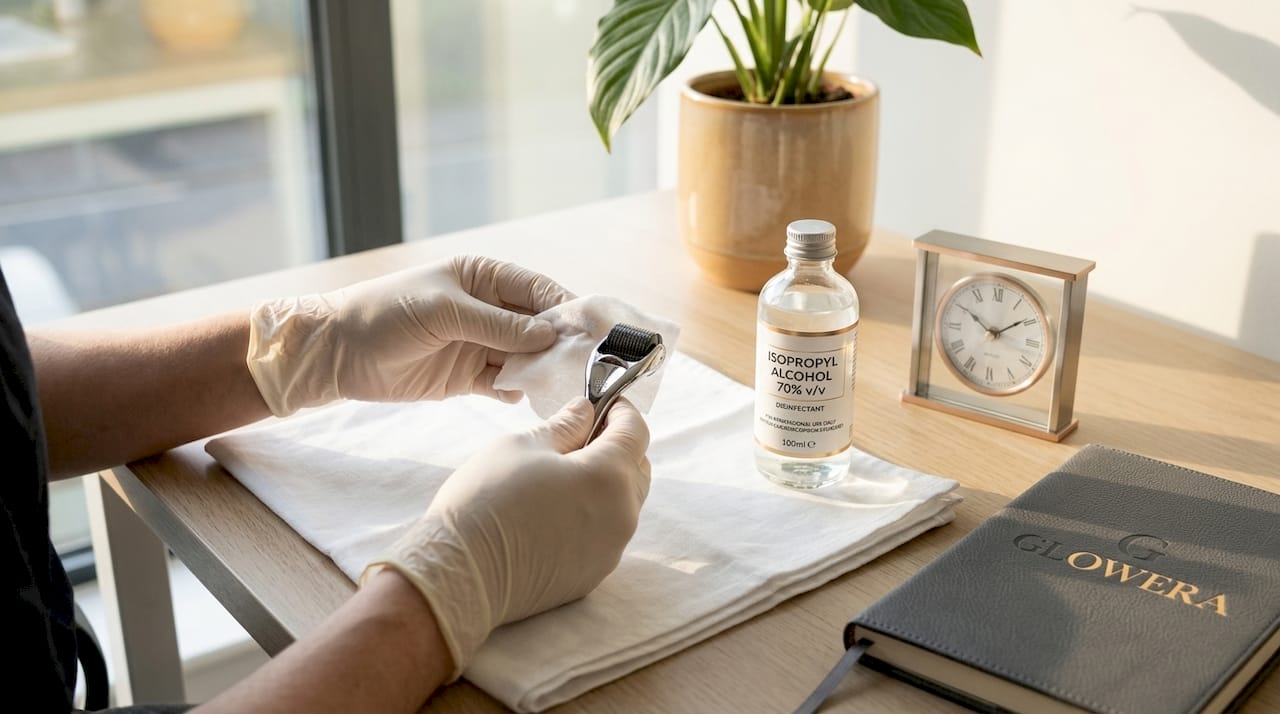
At-home microneedling carries real risk of infection and skin irritation because it is performed outside a clinical environment. In a clinic, devices are sterilised between patients and the practitioner monitors skin response in real time. At home, both of those safeguards rely entirely on the user.
Essential hygiene steps:
- Cleanse skin thoroughly before each session with a gentle, non-active cleanser.
- Soak the device in 70% isopropyl alcohol for at least 5 minutes before and after use.
- Never share devices. Micro-channels open during treatment create a direct route for blood-borne or skin pathogens.
- Replace roller heads or needle cartridges regularly. Most manufacturers recommend replacement after 3 to 5 uses because needle tips dull quickly and dull needles cause more tearing than clean punctures.
- Store devices in a clean, sealed case away from dust and direct sunlight.
The skin regeneration process depends on a clean, controlled environment. In Dubai and the wider UAE, humidity and heat during summer months mean skin is often already sensitised. Performing microneedling on compromised or inflamed skin increases irritation risk considerably.
Who should avoid at-home microneedling entirely:
- Those with active eczema, open wounds, or active acne should not use these devices.
- Anyone with bleeding or clotting disorders, or who takes blood-thinning medication.
- People with a compromised immune system or infection-prone skin.
- Those who have recently had filler injections or other in-clinic treatments in the target area.
- Anyone with keloid scarring history, as microneedling can stimulate further abnormal scar tissue.
Pro Tip: If you are unsure whether your skin condition is safe for microneedling, a single consultation with a dermatologist before starting is far more cost-effective than treating a post-treatment reaction.
For general device safety principles that apply across the broader category of home beauty technology, the microcurrent device safety tips section covers several hygiene and use principles that translate directly to microneedling routines.
Aftercare: Product absorption, benefits, and mistakes to avoid
Proper safety gives your skin a foundation, but your aftercare routine can make or break your results.
After microneedling, the skin’s permeability increases significantly. Micro-channels remain open for several hours post-treatment, making the skin considerably more receptive to whatever you apply. What you apply immediately after treatment matters enormously: these channels increase skin permeability, so post-treatment products can be either highly beneficial or actively harmful depending on their formulation.
Ideal post-treatment products:
- Hyaluronic acid serums: Lightweight, non-irritating, and highly effective at this stage. Hyaluronic acid draws moisture into the newly sensitised skin without triggering inflammation.
- Peptide serums: These short-chain amino acids support collagen synthesis and are well-tolerated immediately after treatment.
- Centella asiatica (Cica) creams: Widely used in K-beauty protocols, Cica has calming and skin-barrier repairing properties that make it ideal for post-microneedling care.
- Plain moisturiser with ceramides: Restores the skin barrier without introducing unnecessary actives.
- SPF (the following morning): Post-treatment skin is more vulnerable to UV damage. Applying SPF 50+ the morning after any microneedling session is not optional.
“Think of post-treatment skin as temporarily unguarded. Everything you apply goes deeper and works harder, which is exactly why you need to be selective.”
Ingredients and products to avoid in the 48 hours after treatment:
- Retinoids (retinol, tretinoin): Too active for freshly treated skin and will cause significant irritation.
- AHAs and BHAs (glycolic acid, salicylic acid): These exfoliating acids will over-process sensitised skin.
- Vitamin C in acidic form (L-ascorbic acid): Can sting and inflame micro-channels.
- Fragranced products of any kind.
- Makeup for at least 24 hours, ideally 48 hours.
If you are using a microneedling retinol set as part of your routine, apply retinol only on non-treatment days. Alternating these actives rather than stacking them is a considerably safer strategy.
For a fuller picture of how aftercare fits into a consistent home routine, the microcurrent skincare aftercare guide addresses complementary post-treatment principles that apply across device-based skincare. The device selection aftercare resource also touches on pairing different devices within a weekly schedule.
Regulatory guidance and standards for microneedling devices in the UAE
For those in the UAE, understanding legal and regulatory boundaries ensures you are using devices that meet health standards.
The UAE takes the regulation of non-surgical cosmetic procedures seriously. The Dubai Health Authority (DHA) maintains formal standards for non-surgical cosmetics that include microneedling in the list of regulated procedures, along with equipment and device registration requirements. This matters for home users because it establishes a baseline of what is considered an approved device versus what is not.
Key points for UAE residents:
- Device registration: Devices sold in the UAE for cosmetic use must be registered with the Ministry of Health and Prevention (MOHAP) under Medical Devices Registration Guidelines.
- Procedure oversight: While at-home use is permitted, the DHA framework places microneedling in a category that acknowledges clinical risks and recommends informed use.
- Purchasing decisions: Buying devices through established platforms that source from verified distributors is the most reliable way to ensure regulatory compliance.
- Needle depth boundaries: Devices with needle depths exceeding 0.5 mm are increasingly considered clinical tools under UAE guidelines and are best used under supervision.
UAE residents purchasing imported devices should verify that the product listing confirms MOHAP registration or equivalent approval from the country of origin’s health authority (such as FDA clearance or CE marking in Europe). Neither certification alone guarantees UAE compliance, but both signal that a device has passed safety and efficacy review.
The UAE microcurrent compliance section of our skincare guide provides further detail on how device categories are treated under UAE frameworks and what to look for when verifying a device’s status.
The uncomfortable truth about home microneedling: What most guides overlook
Most articles on at-home microneedling walk readers through the technique, recommend a device, and note a few contraindications. What they rarely address is the gap between marketing language and clinical reality, and that gap is where most users get into trouble.
The honest truth is that marketing for home microneedle devices frequently implies results that belong to professional treatment. Phrases like “clinical-grade results at home” or “replaces your dermatologist visit” are not backed by the evidence base. They are positioning statements designed to justify price points. At-home devices are genuinely useful, but they are maintenance tools, not treatment tools.
For UAE residents specifically, there are two additional factors that most international guides completely ignore. First, the climate. Dubai’s heat and humidity sensitise skin more readily than temperate climates, meaning the inflammation window after treatment is wider and requires more careful aftercare management. Using a device at full frequency during summer months without adjusting your protocol is a common mistake. Second, skin tone diversity. The UAE population includes a wide range of Fitzpatrick skin types (a clinical classification of skin colour that influences how skin responds to procedures). Darker skin tones, classified as Fitzpatrick IV to VI, carry a higher risk of post-inflammatory hyperpigmentation following microneedling. Most guides calibrated for Western audiences do not address this prominently enough.
We believe the most productive mindset for home microneedling is to treat it as a support system for your broader skincare investment, not as a standalone solution. Pair it with a well-formulated serum, a complementary device like a microcurrent tool, and a consistent SPF habit. That combination produces visible, sustainable improvement. Chasing dramatic results with more frequent sessions or longer needles at home is the fastest route to setbacks.
Explore advanced beauty tech for safer home microneedling
If you are ready to invest in safe, advanced home skincare, here is where to start.
At Glowera, we curate premium home skincare technology specifically for UAE residents, sourcing from globally trusted brands and verifying authenticity at every step. Whether you are exploring microcurrent lifting, LED therapy, or device-based anti-ageing protocols, our range is selected to deliver genuine, clinically grounded results within the safe parameters of home use.
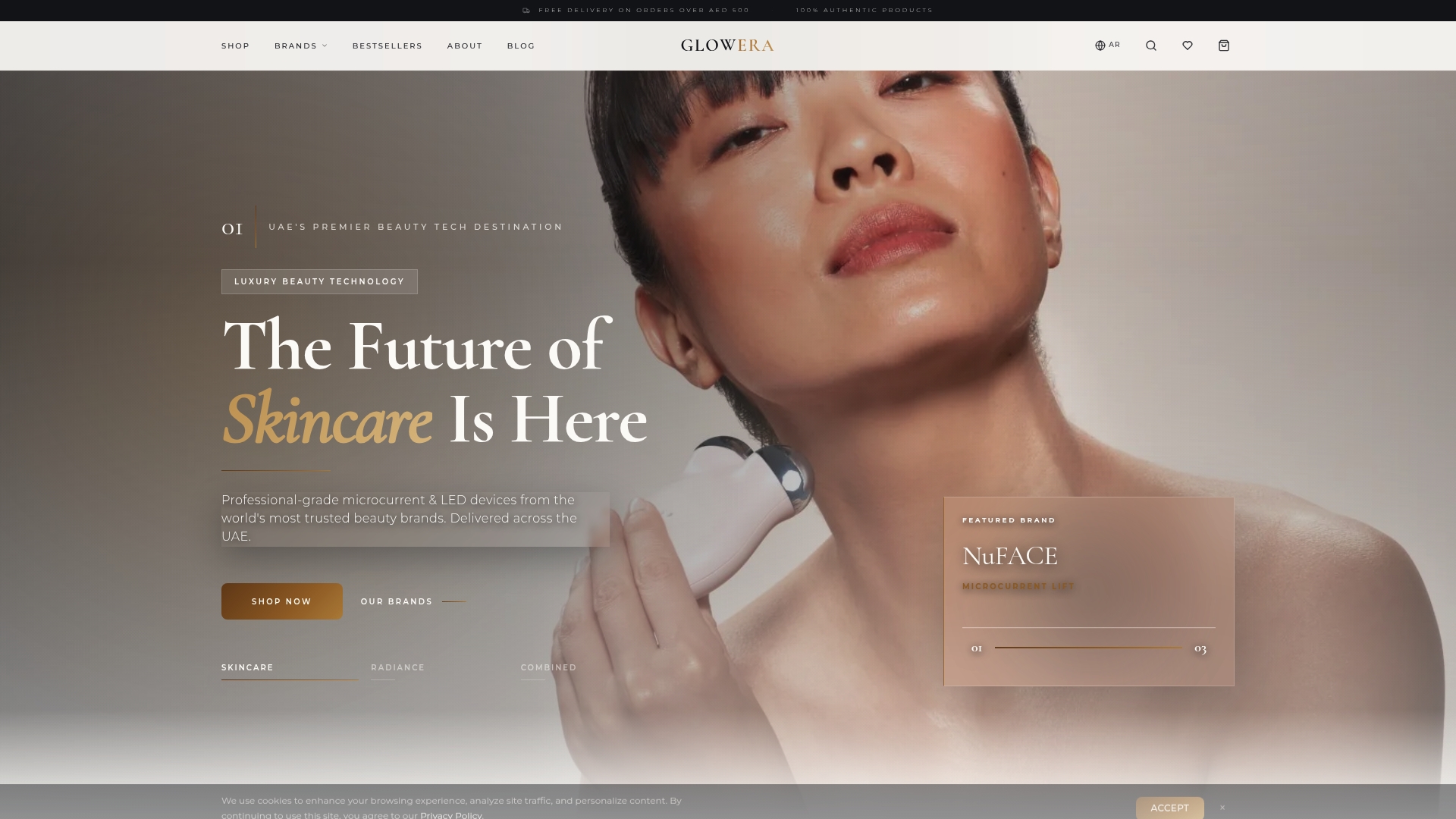
Browse our full collection at Glowera to find devices suited to your skin goals, climate, and skin tone. Every product in our catalogue comes with detailed guidance, so you can build a home routine with confidence rather than guesswork. Our team is also available to help you identify which combination of technologies makes the most sense for your specific concerns.
Frequently asked questions
How often can I use an at-home microneedle device?
At-home devices use shorter needles and generally suit a frequency of once every one to two weeks, though this varies based on needle length and individual skin sensitivity. Always allow full skin recovery before the next session.
Is microneedling safe for sensitive skin?
Those with eczema, bleeding or clotting disorders, active acne, or open wounds should avoid at-home microneedling entirely due to elevated infection and irritation risk. A dermatologist consultation is recommended before starting if you have any active skin conditions.
Can I use regular skincare products after treatment?
Post-microneedling micro-channels significantly increase absorption, so only gentle, fragrance-free, non-acidic products should be applied. Avoid retinoids, AHAs, BHAs, and vitamin C in its acidic form for at least 48 hours after any session.
How do I check if my device is approved for use in the UAE?
Check MOHAP Medical Devices Registration guidelines and look for DHA approval or equivalent certifications such as FDA clearance or CE marking. Purchasing from established, verified platforms significantly reduces the risk of acquiring non-compliant devices.