A cryogenic temperature beauty device is a specialised skincare tool that applies controlled, ultra-cold temperatures to the skin to trigger measurable physiological responses, including collagen stimulation, reduced inflammation, and improved skin tone. The industry term for this category is “cosmetic cryotherapy,” and understanding what separates a genuine cryotherapy device from a simple cold roller is the first step to getting real results. Professional devices operate between -10°C and -160°C, with sessions typically lasting 5–10 minutes. That temperature range is not arbitrary. It is precisely calibrated to activate the skin’s repair mechanisms without causing tissue damage. If you are serious about anti-ageing technology, cryogenic beauty treatment belongs in your skincare knowledge base.
What is a cryogenic temperature beauty device and how does it work?
A cryogenic temperature beauty device works by delivering a rapid thermal shock to the skin’s surface. The cold causes blood vessels to constrict immediately (vasoconstriction), then dilate once the cold is removed (vasodilation). This thermal shock cycle stimulates blood circulation, activates lymphatic drainage, and triggers fibroblast activity, which is the cellular process responsible for collagen production.
The physiological sequence matters. Vasoconstriction reduces localised inflammation and puffiness almost immediately. Vasodilation then floods the tissue with oxygenated blood, delivering nutrients and accelerating cellular repair. The result is a fresher, firmer appearance that goes beyond what topical products alone can achieve.
Collagen synthesis is the deeper prize. Fibroblasts, the skin cells that produce collagen and elastin, respond to thermal stress by increasing their output. This is why a single session feels refreshing but a planned series produces structural change. The skin needs repeated stimulation to build new collagen fibres over time.
Lymphatic drainage is a less-discussed but equally important benefit. The lymphatic system removes waste products and excess fluid from tissue. Cold therapy accelerates this process, which explains why puffiness around the eyes and jaw reduces noticeably after even one session.
Pro Tip: Apply a gentle, fragrance-free cleanser before your session. Clean skin allows the cold to penetrate more evenly and reduces the risk of bacteria being driven into temporarily open pores.
What are the benefits of cryogenic skincare treatments?
The benefits of cryogenic skincare fall into two clear categories: immediate effects and cumulative results. Understanding both helps you set realistic expectations and commit to the right treatment schedule.
Immediate effects
- Reduced puffiness. Cold constricts blood vessels and accelerates lymphatic drainage. Puffiness reduction and a radiant glow typically last 3–5 days after a single session. This makes cryogenic facials popular before events.
- Brighter skin tone. The vasodilation phase delivers a surge of oxygenated blood to the surface, producing a visible glow within minutes of treatment.
- Tightened pores. Cold temporarily contracts pore openings, giving skin a smoother, more refined texture immediately after treatment.
Long-term results
- Improved skin firmness. Long-term improvements in firmness require 6–8 weekly sessions, followed by maintenance every 2–4 weeks. This schedule gives fibroblasts enough repeated stimulation to produce measurable collagen.
- Texture refinement. Regular sessions reduce the appearance of fine lines and uneven texture as new collagen fibres remodel the skin’s structure.
- Reduced chronic inflammation. People with rosacea-prone or reactive skin often report calmer, less reactive skin after a consistent cryotherapy programme.
- Complementary synergy. Cryotherapy reduces inflammation and redness after other aesthetic treatments, such as microneedling or radiofrequency, enabling faster recovery and better overall outcomes.
Cumulative therapy is essential for meaningful collagen synthesis. A single session delivers a temporary aesthetic boost. A planned series delivers structural change. This distinction is the most important thing to understand before investing in a device or a treatment course.
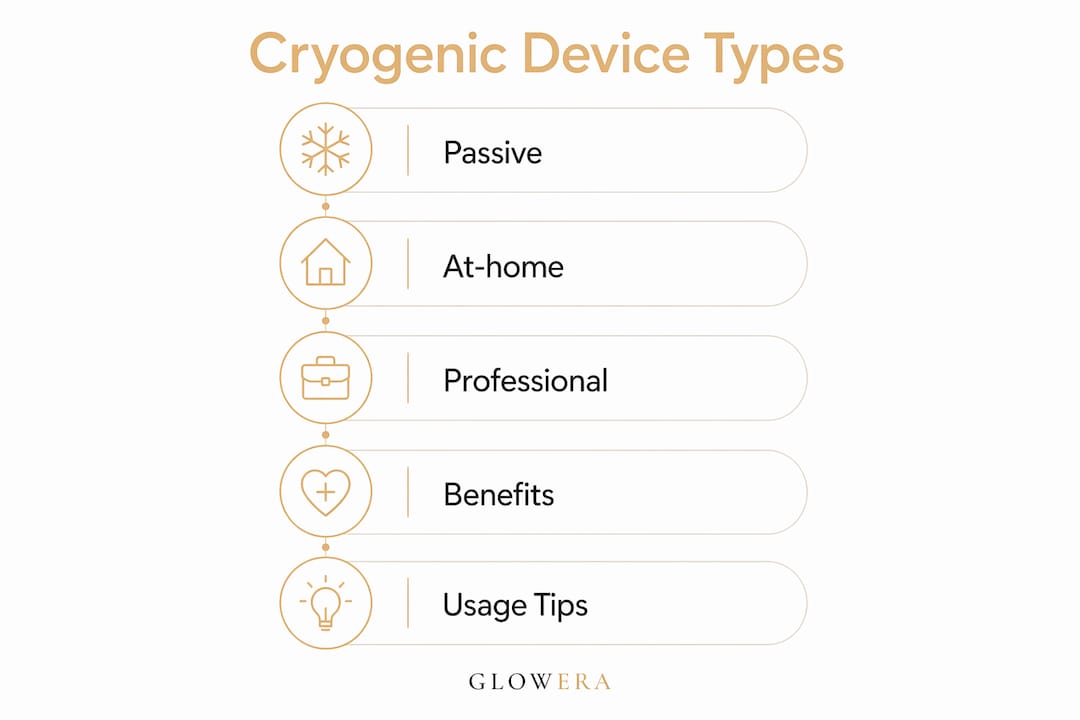
What types of cryogenic devices are available?
Not all cold-therapy tools qualify as genuine cryogenic beauty devices. The category spans a wide range, from passive cooling tools to professional-grade active systems, and the differences in outcome are significant.
Passive tools
Ice rollers and chilled facial globes sit at the entry level. They lower skin temperature superficially and address transient puffiness. Passive tools like ice rollers do not reach temperatures low enough to stimulate fibroblast activity or produce lasting collagen change. They are useful for morning de-puffing but should not be confused with clinical cryotherapy.
Active at-home devices
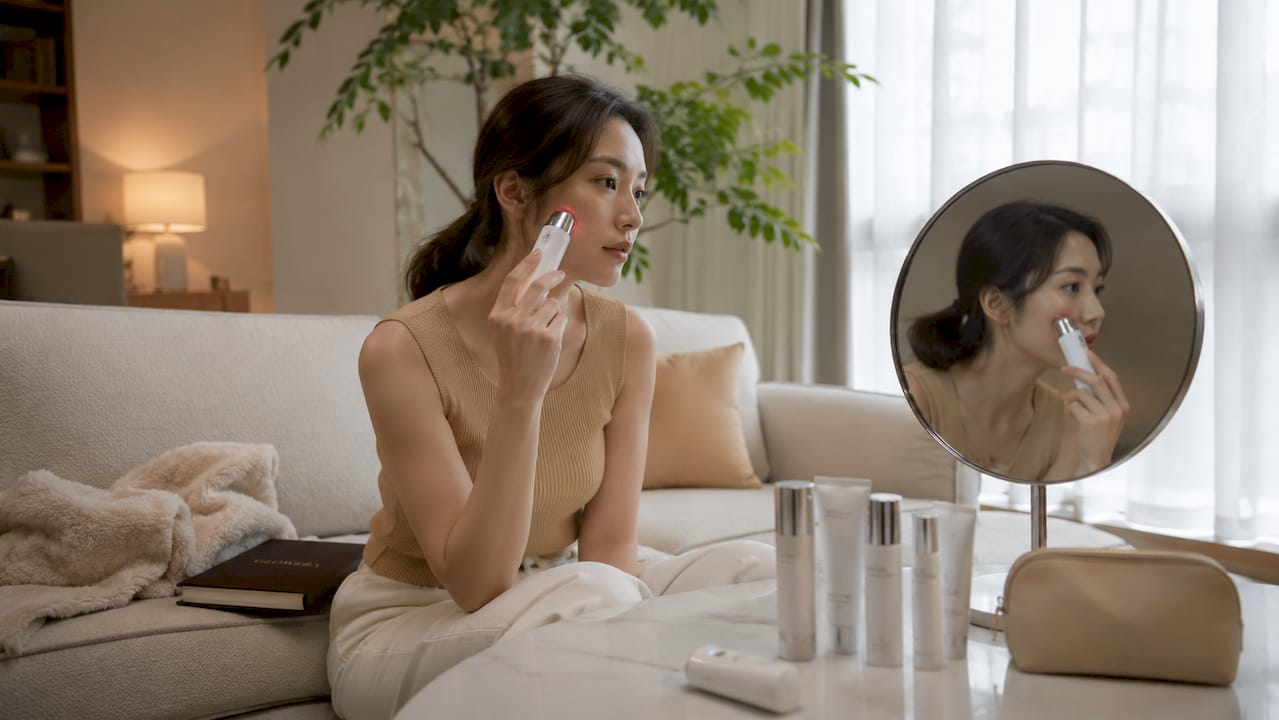
Mid-range at-home devices use thermoelectric cooling or refrigerant systems to reach controlled temperatures, typically in the -10°C to -30°C range. These devices offer more consistent cold delivery than passive tools. The Shark Beauty CryoGlow, for example, combines cryogenic cooling with LED light therapy, addressing both thermal stimulation and photobiomodulation in a single session. You can read a detailed CryoGlow device review to understand how this dual-modality approach performs in practice.
Professional-grade devices
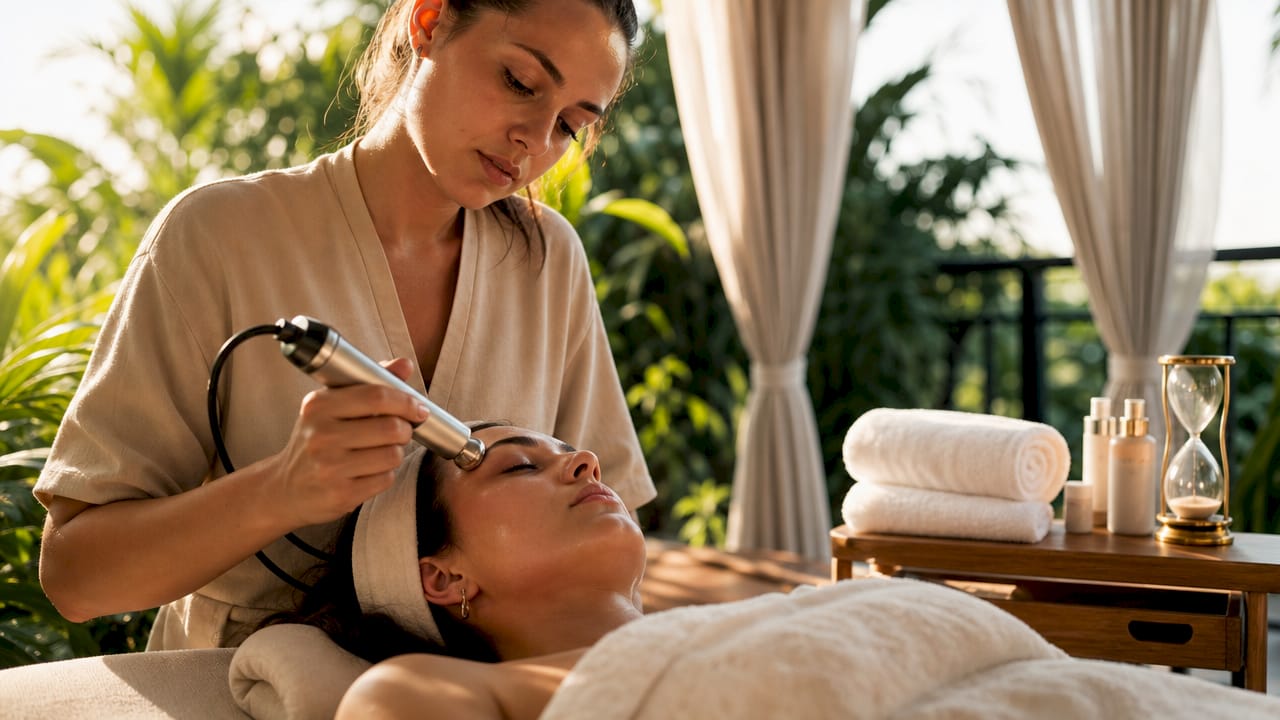
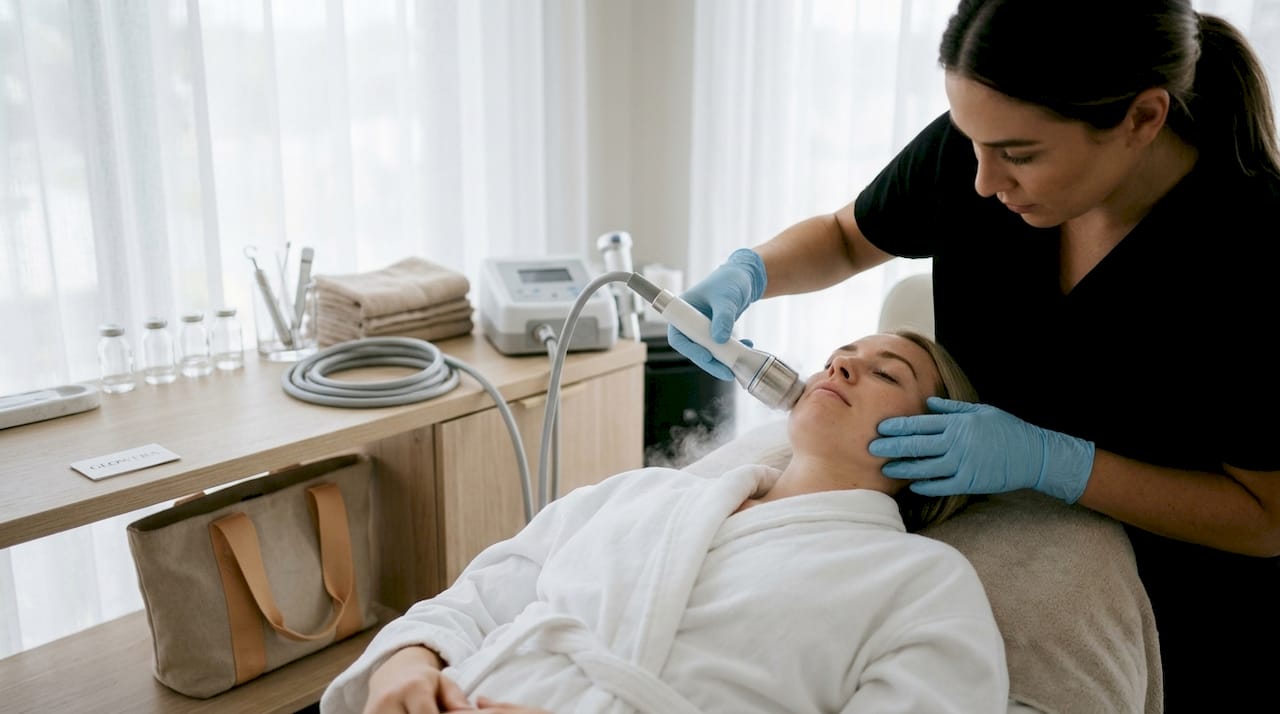
Clinical devices reach temperatures as low as -160°C using liquid nitrogen or advanced compressed-gas systems. Professional cryogenic devices provide active deep cooling that triggers the full physiological cascade: vasoconstriction, vasodilation, fibroblast activation, and lymphatic stimulation. These systems require trained esthetician oversight and precise thermal regulation to prevent tissue damage.
Device temperature precision and thermal feedback control are what separate effective cryotherapy from devices that simply create a cold sensation. A quality device monitors skin temperature in real time and adjusts output accordingly. Without this feedback loop, the risk of over-cooling delicate facial tissue increases substantially.
Pro Tip: When evaluating an at-home device, check whether the manufacturer specifies the exact operating temperature range. Devices that only describe themselves as “cooling” without a stated temperature are almost certainly passive tools.
How to use cryogenic devices safely and effectively
Safe use of a cryogenic temperature beauty device depends on three factors: preparation, protocol adherence, and knowing your limits.
Before your session
- Cleanse thoroughly. Pre-treatment skin cleansing or oxygen infusion improves cold penetration and reduces the risk of pore irritation. Remove all makeup, SPF, and oil-based products before treatment.
- Avoid active skin conditions. Do not use a cryogenic device over broken skin, active acne lesions, or areas affected by rosacea flare-ups without professional guidance.
- Check your device’s temperature settings. Confirm the device is operating within its specified range before applying it to your face.
During your session
- Keep sessions within the recommended 5–10 minute window. The therapeutic window in cryotherapy is narrow; exceeding safe exposure times risks frostbite on delicate facial tissue.
- Keep the device moving. Holding a cryogenic tool stationary on one area concentrates cold and raises the risk of localised tissue damage.
- Avoid the eye socket bone and lips unless the device is specifically designed for those zones.
After your session
- Apply a hydrating, barrier-supporting serum immediately. Cold temporarily disrupts the skin barrier, and a ceramide or hyaluronic acid formula helps restore it quickly.
- Avoid direct sun exposure for at least 24 hours post-treatment. Cold-treated skin is temporarily more photosensitive.
- For professional treatments, follow your esthetician’s aftercare protocol precisely. Professional cryogenic devices require esthetician oversight to ensure optimal results without harm.
You can find a practical checklist for at-home device use in Glowera’s at-home facial tools guide, which covers preparation steps across multiple device categories.
Key takeaways
Cryogenic temperature beauty devices produce real, measurable skin improvements when used consistently, but results depend entirely on device quality, treatment frequency, and correct technique.
| Point | Details |
|---|---|
| Temperature range matters | Effective devices operate between -10°C and -160°C; passive tools do not reach therapeutic temperatures. |
| Immediate vs. cumulative results | Puffiness reduction lasts 3–5 days; lasting firmness requires 6–8 weekly sessions plus maintenance. |
| Thermal feedback is non-negotiable | Quality devices monitor skin temperature in real time to prevent over-cooling and tissue damage. |
| Preparation improves outcomes | Thorough cleansing before treatment enhances cold penetration and reduces irritation risk. |
| Synergy with other treatments | Cryotherapy reduces post-treatment inflammation, making it a strong complement to microneedling and radiofrequency. |
Cryotherapy and the long game: a perspective worth considering
The conversation around cryogenic beauty technology has matured considerably. When whole-body cryotherapy first crossed from sports recovery into aesthetics, the marketing leaned heavily on dramatic, instant results. The reality is more measured, and more interesting.
What I find genuinely compelling about this technology is the mechanism, not the marketing. The thermal shock principle is not new. Cold has been used therapeutically for centuries. What is new is the precision. A device that delivers -30°C with a calibrated feedback loop is a fundamentally different tool from an ice pack. That precision is what makes the difference between a temporary sensation and a physiological event.
The shift I have noticed is that serious skincare enthusiasts are now treating cryotherapy the way they treat retinol: as a long-term commitment rather than a quick fix. Effective collagen synthesis requires cumulative treatments, not single sessions. That framing changes how you invest in a device and how you measure success.
The synergy angle is also underrated. Combining cryotherapy with other treatments maximises therapeutic effects. Using a cryogenic device the day after a microcurrent or LED session reduces residual redness and supports faster recovery. That makes it a genuinely useful addition to a multi-modality routine, not just a standalone novelty.
My honest recommendation: prioritise device quality over price. A device without thermal regulation is not a cryotherapy device. It is a cold sensation. The range of beauty tech devices available in 2026 means there is no reason to settle for a tool that cannot tell you what temperature it is actually delivering.
— Adam
Advanced cryogenic beauty tech, available at Glowera
Glowera curates professional-grade beauty technology devices for skincare enthusiasts across the UAE, including tools that combine cryogenic cooling with complementary modalities like LED therapy and microcurrent.
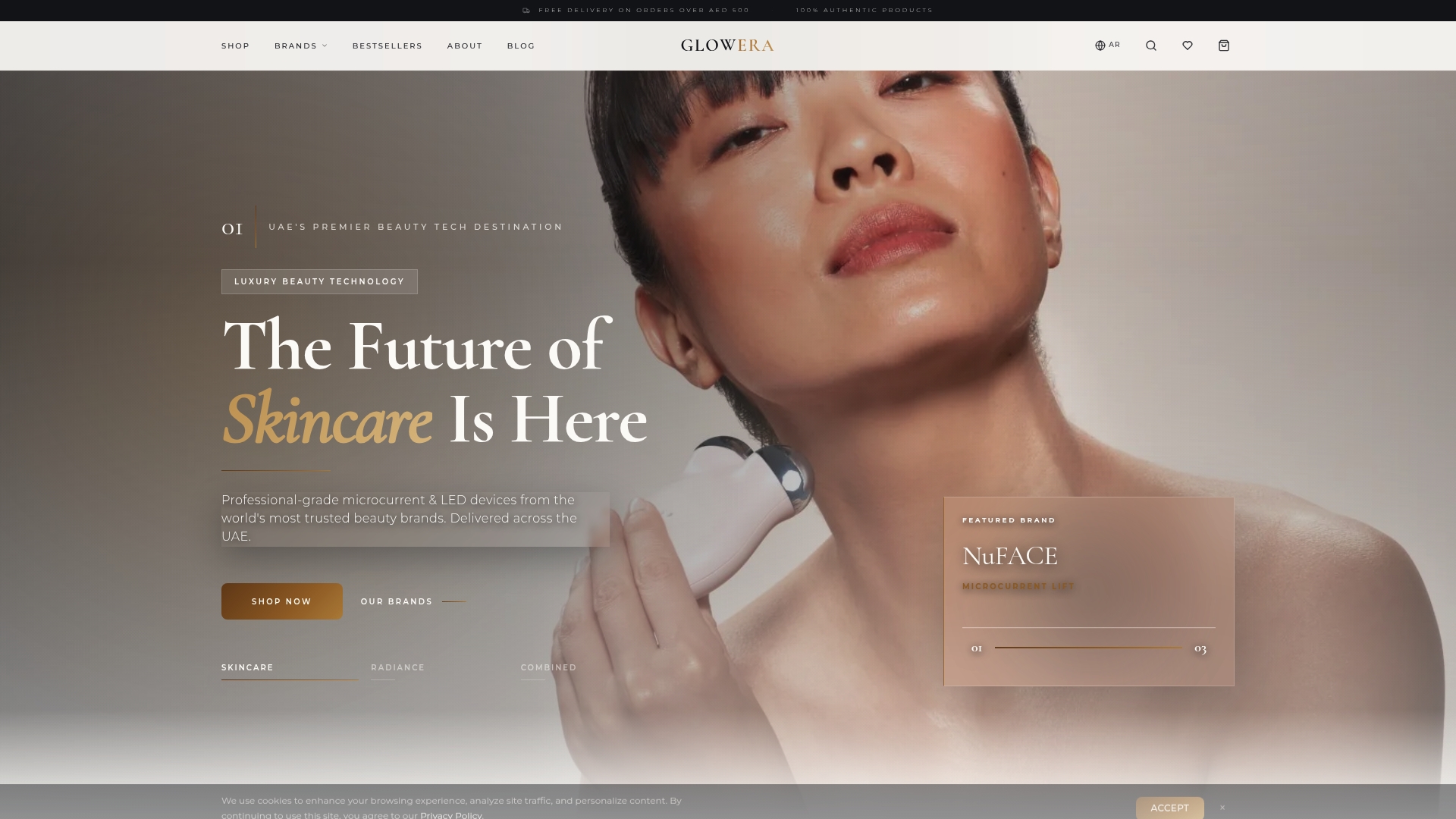
The Shark Beauty CryoGlow, available through Glowera, pairs active cryogenic cooling with red, blue, and infrared LED wavelengths in a single device. This dual approach addresses both thermal stimulation and light-based collagen support simultaneously. For those exploring the broader world of Korean beauty technology, Glowera’s K-beauty tech collection includes a curated selection of devices designed for professional-grade results at home. Every device on the platform is authenticated and supported by detailed guidance to help you use it correctly from day one.
FAQ
What is a cryogenic temperature beauty device?
A cryogenic temperature beauty device is a skincare tool that applies controlled cold temperatures, typically between -10°C and -160°C, to trigger vasoconstriction, collagen stimulation, and lymphatic drainage in the skin.
How long does a cryogenic facial treatment take?
Professional cryotherapy facial sessions last between 5 and 10 minutes. This duration is sufficient to trigger the thermal shock response without risking tissue damage.
How many sessions are needed to see lasting results?
Lasting improvements in skin firmness and texture require 6–8 weekly sessions, followed by maintenance treatments every 2–4 weeks to sustain collagen production.
Are at-home cryogenic devices as effective as professional ones?
Professional devices reach deeper therapeutic temperatures and include thermal feedback systems that at-home tools often lack. At-home active cooling devices deliver meaningful benefits, but passive tools like ice rollers do not replicate clinical cryotherapy outcomes.
Can cryotherapy be used alongside other skincare treatments?
Yes. Cryotherapy reduces inflammation and redness after treatments such as microneedling or radiofrequency, which supports faster recovery and can improve overall results when used as part of a planned skincare routine.