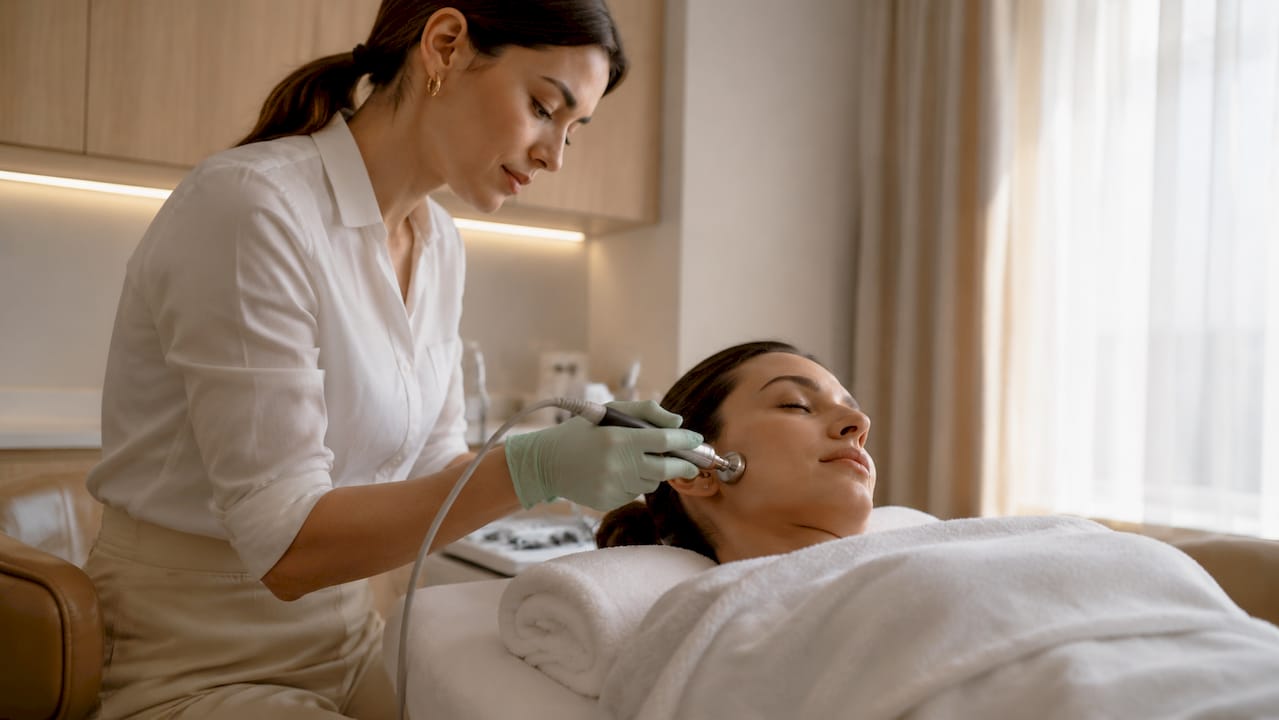
Building a genuinely effective skincare routine at home has never been more achievable, but choosing the right tools from an overwhelming market is where most people get stuck. A well-structured at-home facial tools checklist removes that guesswork. Rather than collecting devices that gather dust, you end up with a considered kit that delivers real, consistent results. This guide covers everything from basic manual tools to clinically backed technology, with hygiene protocols, usage guidance, and a comparison framework to help you choose with confidence.
Table of Contents
- Key takeaways
- 1. What to look for in your at-home facial tools checklist
- 2. Core manual tools: the facial tool kit essentials
- 3. Advanced home facial devices for visible skin improvement
- 4. Comparing at-home facial tools: features and suitability
- 5. How to use facial tools effectively and safely
- 6. Choosing tools that suit your skin and lifestyle
- My honest take on building an at-home facial tools checklist
- Build your kit with Glowera
- FAQ
Key takeaways
| Point | Details |
|---|---|
| Start with core manual tools | A muslin cloth, facial roller, and mini steamer form a solid, low-cost foundation for any DIY routine. |
| Prioritise hygiene from day one | Clean, sanitise, and dry-store every tool after each use to protect your skin and extend tool lifespan. |
| Match devices to skin concerns | Advanced tools like microcurrent, LED, and radiofrequency each target different concerns and suit different skin types. |
| Follow usage frequency guidelines | Consistent short sessions outperform occasional long ones, particularly for LED and microcurrent devices. |
| Personalise before you invest | Assess your skin sensitivity, lifestyle, and budget before adding high-tech devices to your checklist. |
1. What to look for in your at-home facial tools checklist
Before purchasing anything, it pays to understand the criteria that separate genuinely useful tools from well-marketed gimmicks. Your home skincare device checklist should be built on four pillars: safety, hygiene, material quality, and compatibility with your skin type.
Safety and certification come first. Look for devices carrying recognised certifications such as FDA clearance (for devices sold into or across international markets) or CE marking. These signal that a product has been tested to a defined standard, rather than simply launched with bold claims.
Hygiene and maintenance are non-negotiable. Neglecting tool hygiene severely compromises both skin health and treatment efficacy, so a scheduled cleaning, sanitising, and storage routine tailored to your specific tools is worth building from the start.
Material quality affects both skin safety and longevity. Rose quartz and jade rollers vary significantly in quality. Electronic devices should carry medical-grade silicone or ABS casing at minimum.
Compatibility is often overlooked. Some tools, particularly those with active bristles or microcurrent, can aggravate reactive skin if used incorrectly. Consider the following before adding any device to your kit:
- Your primary skin concern (acne, texture, fine lines, dullness)
- Your skin sensitivity level (including any post-procedure recovery needs)
- The products you already use (some actives react poorly with certain tools)
- Your realistic usage frequency per week
- Maintenance time each tool requires
Pro Tip: If you are new to facial tools, start with a maximum of two or three tools and add gradually. Using too many devices simultaneously makes it impossible to identify what is working for your skin.
2. Core manual tools: the facial tool kit essentials
A strong DIY facial routine does not require technology to begin. The following manual tools form the backbone of a reliable kit and are appropriate for virtually every skin type when used correctly.
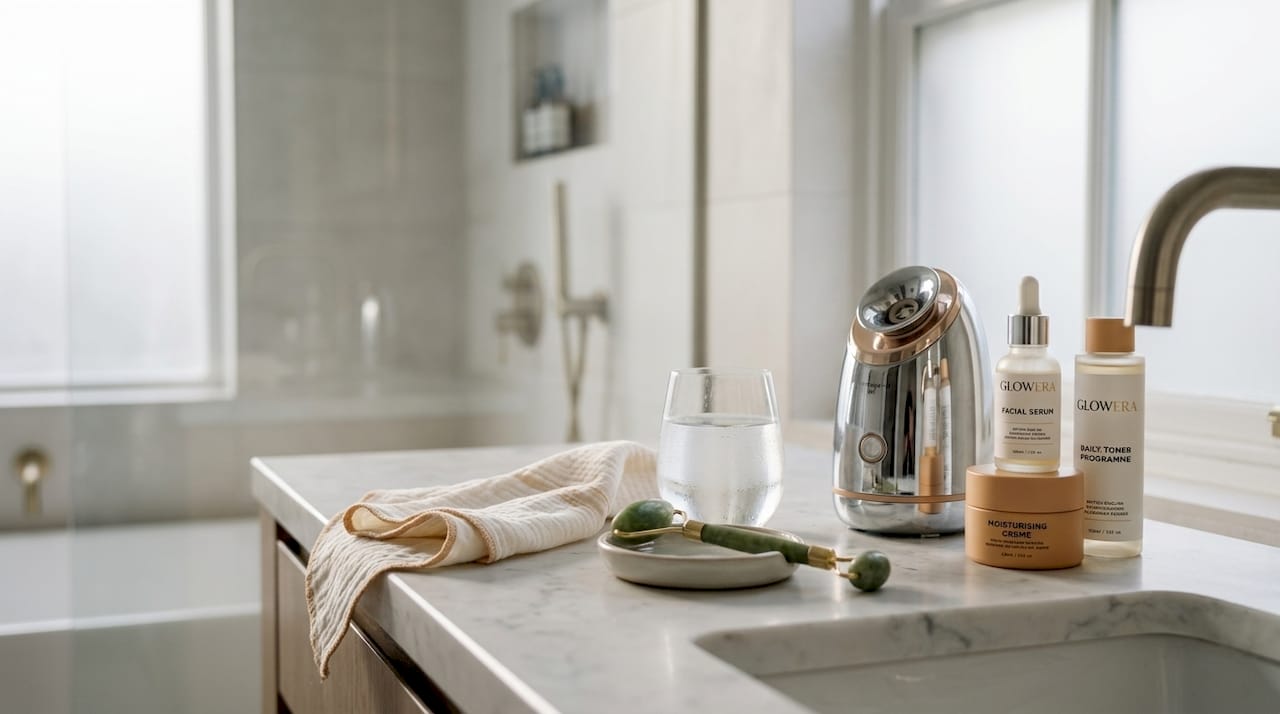
- Muslin cloth. A softly woven muslin cloth provides gentle physical exfoliation during cleansing without disrupting the skin barrier. It removes cleanser and light product residue more thoroughly than hands alone and is reusable with proper washing.
- Gua sha stone. Traditionally used in Chinese medicine, gua sha stones sculpt the face and encourage lymphatic drainage when used with deliberate, upward strokes. They require some technique but are highly effective for reducing puffiness and improving circulation.
- Jade or rose quartz roller. Jade rollers are gentler and safer than gua sha for sensitive or post-procedure skin, according to Dr Manoj T. Abraham. The rolling motion provides a softer pressure, making it appropriate for daily use and post-treatment recovery.
- Mini facial steamer. A small steamer softens the skin, opens pores, and improves the penetration of serums applied immediately afterwards. Sessions of five to eight minutes are typically sufficient; longer exposure can lead to excess moisture loss.
- Dermaplaning tool. A dedicated dermaplaning blade removes vellus facial hair (peach fuzz) and surface dead skin cells in a single pass. This brightens the complexion and allows subsequent products to absorb more efficiently.
- Sonic cleansing brush. Sonic brushes use oscillating bristles to cleanse two to three times more effectively than manual washing alone. They suit most skin types when used with an appropriate brush head and a low-intensity setting.
Real Simple recommends this core combination as the foundation of any at-home facial workflow, structured around cleanse, optional exfoliation or steam, massage and rolling, toner, and moisturising.
3. Advanced home facial devices for visible skin improvement
For those ready to extend their home skincare device checklist into technology, these devices offer clinical-grade results with consistent use.
- LED light therapy devices. Red light (around 630 to 660nm) stimulates collagen production and reduces inflammation. Blue light (around 415nm) targets acne-causing bacteria. Session durations of around ten minutes are standard, used daily or several times per week. Extra time beyond device recommendations adds no clinical benefit. Apply LED treatment to clean, product-free skin and apply serums immediately afterwards.
- Microcurrent devices. Low-level electrical currents re-educate facial muscles, improving tone, definition, and lift over time. These are among the most popular professional-grade home devices for visible contouring results. Results accumulate with regular use over several weeks.
- At-home microneedling rollers. Dermaroller devices use fine needles to stimulate the skin’s natural repair response, encouraging collagen synthesis. Hygiene is critical here. Microneedling devices require 70% isopropyl alcohol disinfection and replacement every ten to fifteen uses to prevent infection. Detailed guidance on safe practice is available at Glowera’s home microneedling guide.
- Radiofrequency (RF) devices. RF energy heats the deeper dermal layers to stimulate collagen and elastin remodelling, supporting firmer, tighter-looking skin over time. These work particularly well on areas prone to laxity, such as the jawline and neck.
- Blue light acne devices. Targeted blue light devices treat mild to moderate acne without the systemic side effects of oral or topical treatments. They are best used as a complement to, rather than a replacement for, a consistent topical routine.
Seven dermatologist-approved devices covering this full range are consistently recommended for home use, provided each is matched to the individual’s skin concern and used with the manufacturer’s recommended frequency.
Pro Tip: With LED devices, consistent short sessions yield better results than prolonged occasional use. Set a weekly schedule and treat it like any other part of your skincare routine rather than something you reach for when you remember.
4. Comparing at-home facial tools: features and suitability
The table below provides a practical comparison of the tools discussed, summarising key details to help you decide what belongs on your personal checklist.
| Tool | Skin concern | Session time | Maintenance | Approx. price range | Best for |
|---|---|---|---|---|---|
| Muslin cloth | General cleansing | Daily use | Machine wash regularly | Under AED 30 | All skin types |
| Jade roller | Puffiness, lymphatic drainage | 5–10 minutes | Rinse and air dry | AED 50–250 | Sensitive, post-procedure |
| Gua sha stone | Sculpting, circulation | 5–10 minutes | Rinse and dry thoroughly | AED 40–200 | Normal to combination skin |
| Mini steamer | Congestion, hydration | 5–8 minutes | Empty water after each use | AED 80–300 | Combination, oily skin |
| Dermaplaning tool | Texture, peach fuzz | 10–15 minutes | Replace blade regularly | AED 30–150 | Normal, dry skin |
| Sonic cleansing brush | Deep cleansing | 1–2 minutes | Clean brush head after every use | AED 100–500 | Most types (use gentle mode for sensitive) |
| LED light therapy mask | Anti-ageing, acne | ~10 minutes | Wipe clean after use | AED 400–3,000+ | All types depending on wavelength |
| Microcurrent device | Toning, lifting | 5–20 minutes | Charge and clean contacts | AED 600–2,500 | Ageing or lax skin |
| RF device | Firmness, tightening | 10–20 minutes | Clean head after each session | AED 500–4,000+ | Mature skin |
| At-home microneedling | Collagen, texture | 10–15 minutes | Disinfect and replace every 10–15 uses | AED 50–400 | Normal to oily (avoid active acne) |
The most important safety consideration across all devices is consistent hygiene. Storing damp tools in closed containers promotes microbial growth, so tools should be fully air-dried before being put away. Bathrooms in particular can be too humid for electronic device storage.
5. How to use facial tools effectively and safely
Knowing which tools to own is only half the equation. How you use them determines whether you see results or cause irritation.
The single most overlooked tip when building a facial massage tools list is preparation. Applying a serum or facial oil before using rolling tools reduces friction and skin tugging, which protects the skin and improves product absorption during the session. Never roll or perform gua sha on dry, bare skin.
For electronic devices, follow the specific sequence your device requires. Microcurrent, for example, works better over a conductive gel. LED operates on bare, clean skin with no product barrier between the light and your face. RF devices typically require a coupling gel to transfer energy safely.
Weekly deep cleans and monthly inspections of your tools are both recommended practice. Improper cleaning reduces sanitiser effectiveness, so the order matters: clean first to remove residue, then sanitise.
6. Choosing tools that suit your skin and lifestyle
No checklist of tools for at-home facials is universally correct. What works for someone with resilient, oily skin in their thirties will differ from what suits someone with rosacea-prone or mature skin.
A useful starting point is to honestly assess your skin sensitivity before you spend. Choosing the appropriate pressure tool based on skin sensitivity, whether that is a jade roller versus a gua sha stone, should be a deliberate decision rather than a matter of preference. Sensitive or reactive skin benefits from low-pressure, low-frequency tools. More resilient skin tolerates higher-energy devices more comfortably.
Consider the following guidance by experience level:
- Beginners should start with manual tools only. A gua sha or roller combined with a muslin cloth and a mini steamer is more than sufficient to see real improvement without risk.
- Intermediate users can introduce a sonic cleansing brush, an LED mask for one targeted concern (such as acne or anti-ageing), and a dermaplaning tool as a once-weekly addition.
- Experienced DIY enthusiasts are well-placed to incorporate microcurrent, RF, or at-home microneedling into a structured routine, provided they follow hygiene protocols and use each device at its recommended frequency.
If you are managing a diagnosed skin condition such as rosacea, cystic acne, or eczema, or if you have recently undergone a cosmetic procedure, consult a dermatologist before adding any active device to your kit. Some tools can exacerbate these conditions if used at the wrong stage or with inappropriate settings.
My honest take on building an at-home facial tools checklist
I’ve reviewed a considerable number of device-heavy skincare routines over the years, and the pattern that leads to disappointing results is almost always the same. People invest in several impressive devices, use them enthusiastically for two weeks, and then abandon them when the results feel slower than expected or the upkeep feels like a chore.
What I’ve found actually works is a much more restrained approach. Pick two or three tools you will genuinely use three or more times per week, and build the rest of your routine around those. Consistency with a jade roller and a solid LED device will outperform a shelf full of gadgets used once a month.
The hygiene element is where I see the most common errors. Tools get rinsed but not properly cleaned, then stored in bathroom cabinets where moisture accumulates. I’d argue that the cleaning routine you build around your tools matters as much as the tools themselves.
The other thing most guides don’t say clearly enough: manual tools are not inferior to technology. A gua sha stone used with proper technique delivers results that hold up well against much more expensive alternatives. The best facial tools for home use are the ones that fit your skin, your schedule, and your patience for maintenance.
Blend technology with traditional methods thoughtfully, know your skin’s limits, and be realistic about the time you have. That discipline, more than any specific device, is what separates the results you see in clinic from those most people actually achieve at home.
— Adam
Build your kit with Glowera
If you’ve worked through this checklist and you’re ready to invest in clinically backed devices, Glowera curates a precise selection of premium facial tech devices from globally trusted brands including NuFACE, FOREO, Dr. Dennis GROSS, and CurrentBody, all available in the UAE with full authenticity assurance.
For those exploring K-beauty technology, Glowera’s K-beauty device collection includes Medicube’s most advanced tools for contouring, microcurrent, and skin barrier support. If LED therapy is your priority, the LED light therapy range covers both red and blue light options across multiple price points. The Glowera team also provides educational resources and responsive customer support to help you match the right device to your skin’s specific needs.
FAQ
What tools should a beginner include in their at-home facial kit?
Beginners should start with a muslin cloth, a jade roller or gua sha stone, and a mini steamer. These three tools cover cleansing, lymphatic drainage, and pore preparation without any risk of overuse or skin irritation.
How often should I clean my facial tools?
Tools should be cleaned and sanitised after every single use, with a deeper clean performed weekly. Residue left overnight reduces sanitiser effectiveness and creates conditions for microbial growth.
Are at-home LED devices as effective as professional treatments?
At-home LED devices use the same wavelengths as professional equipment but at lower intensities. They are effective for maintenance and gradual improvement, particularly when used consistently at the recommended ten-minute sessions several times per week.
Can I use facial tools if I have sensitive skin?
Yes, with careful selection. Jade rollers and muslin cloths are among the safest tools for sensitive skin. Avoid high-energy devices such as microneedling or RF until your skin is well-conditioned and, where possible, seek dermatological guidance first.
How do I store facial tools correctly?
Tools should be fully air-dried before storage and kept in a dry, ventilated space. Avoid closed bathroom cabinets where humidity is high, as moisture encourages microbial growth and degrades tool materials over time.