Maximising your at-home glow treatment means optimising your skincare routine and device use together to improve skin hydration, texture, and radiance without a clinic visit. The process draws on dermatology-approved principles: a stable four-pillar routine, targeted active ingredients, and clinically backed beauty devices. Done correctly, the results are measurable. Hot and cold contrast therapy devices can increase skin hydration by up to 128% in a single session. That figure illustrates just how much technology can amplify what topical products alone cannot achieve. This guide covers every layer of an effective home skincare routine, from foundational steps to advanced device integration, so you can build a plan that delivers lasting radiance.
What foundational skincare routine supports a glowing complexion?
A dermatologist-approved routine follows four pillars: cleanse, treat, moisturise, and protect. Each step serves a distinct function, and skipping any one of them reduces the effectiveness of the others. The full impact of a new routine typically becomes visible after 8–12 weeks, so patience is not optional.
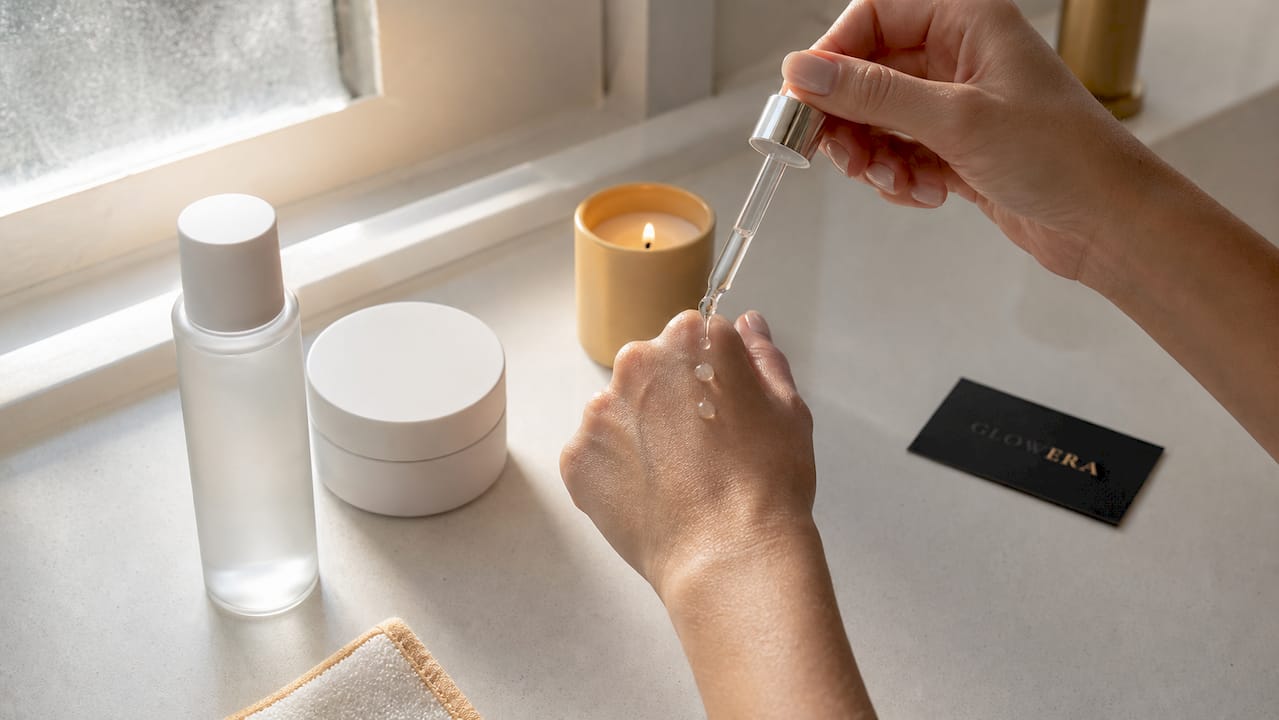
Step 1: Cleanse
Cleansing removes sebum, pollution, and residual SPF that block active ingredient absorption. A gentle, pH-balanced cleanser works for most skin types. Avoid foaming cleansers with sulphates if your skin leans dry or sensitive, as they strip the lipid barrier that holds moisture in.
Step 2: Treat
The treatment step is where serums and actives do their work. Vitamin C applied in the morning brightens and protects against oxidative stress. Niacinamide reduces redness and regulates oil production. Retinoids, used at night, accelerate cell turnover and improve texture over time.
Step 3: Moisturise
Moisturiser seals in the active ingredients applied before it and supports the skin barrier. Hyaluronic acid formulations draw water into the skin, while ceramide-rich creams reinforce the barrier itself. Both are compatible with device treatments.
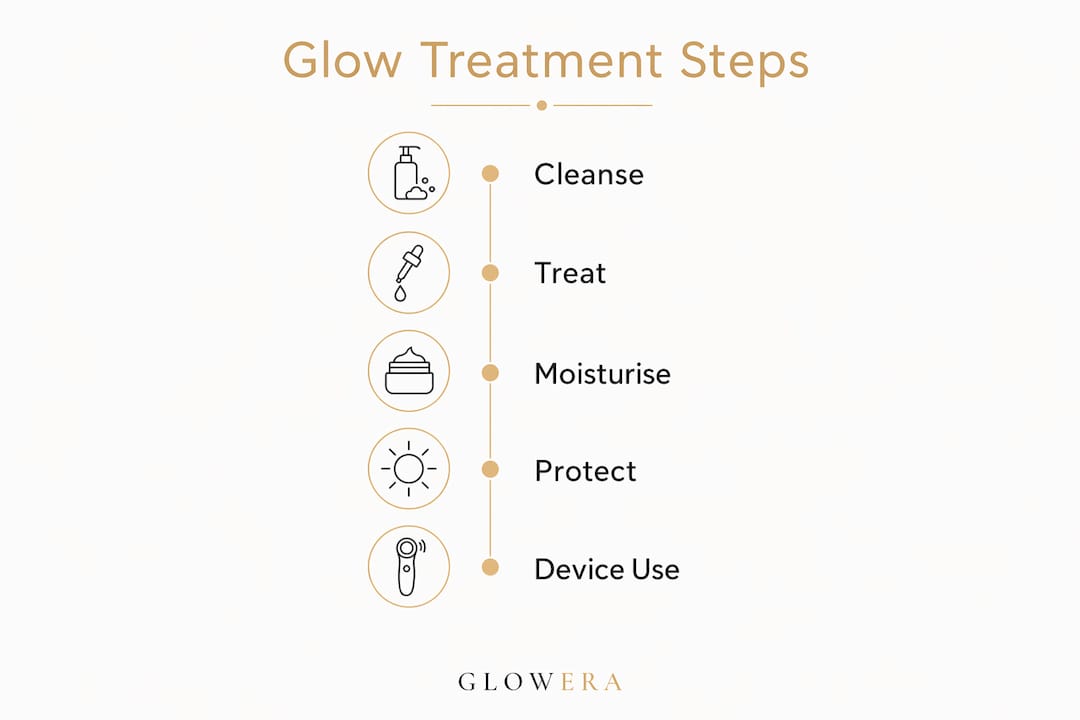
Step 4: Protect
SPF is non-negotiable in any glow-focused routine. UV exposure degrades collagen and causes pigmentation, which directly counteracts the brightness you are working to build. Use a broad-spectrum SPF 30 or higher every morning, regardless of whether you plan to spend time outdoors.
Pro Tip: Introduce actives like retinoids and acids at a frequency of twice per week. Increase only if your skin shows no irritation after two weeks. Rushing this process is the single most common reason people abandon their routine.
How do at-home beauty devices enhance skin glow?
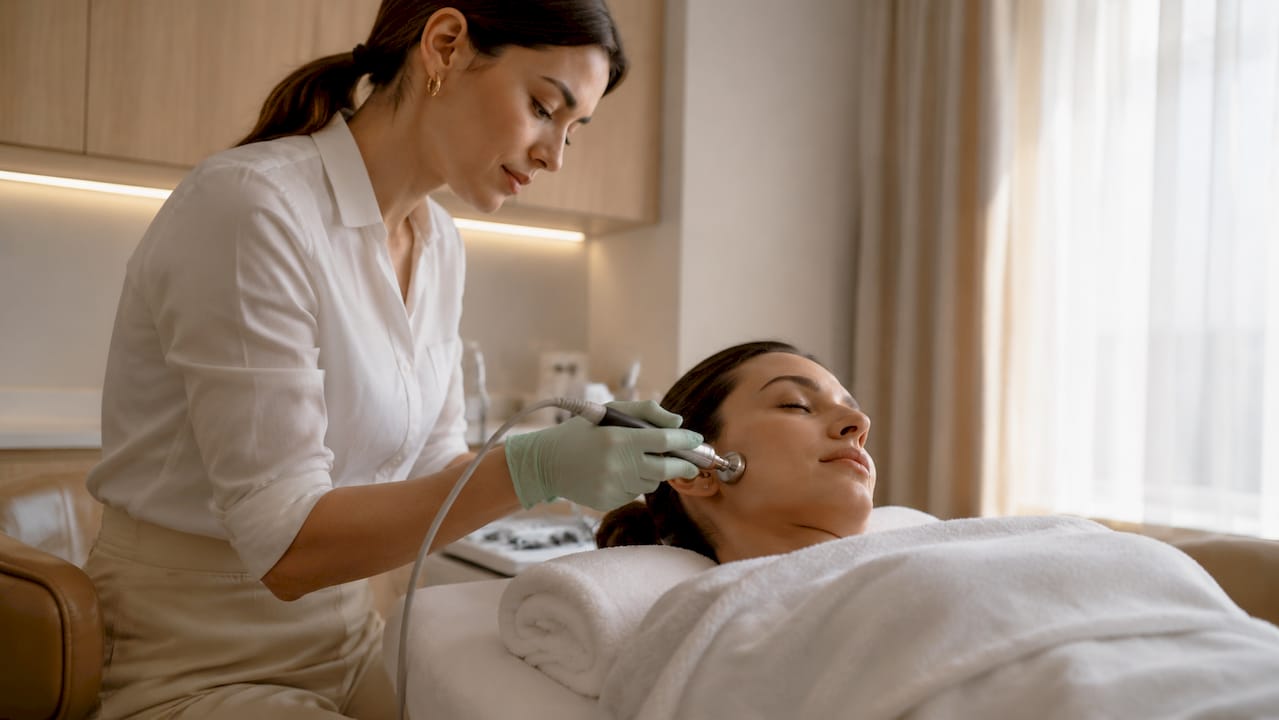
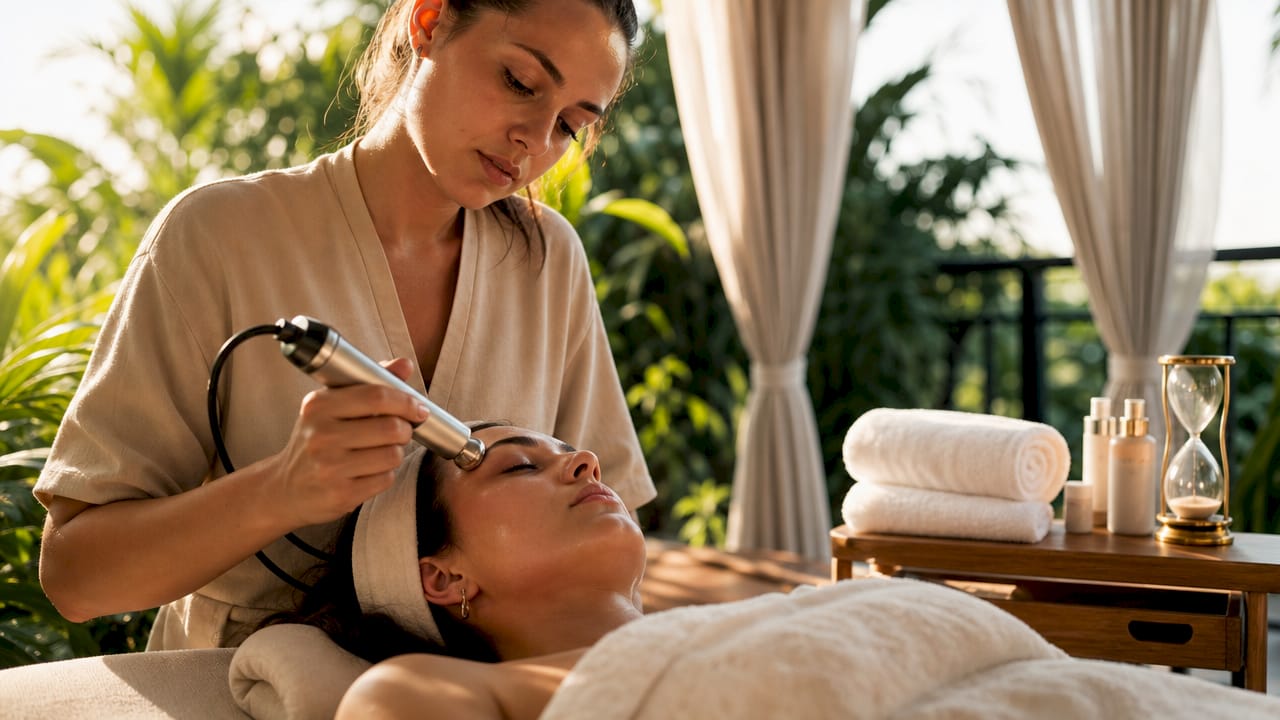
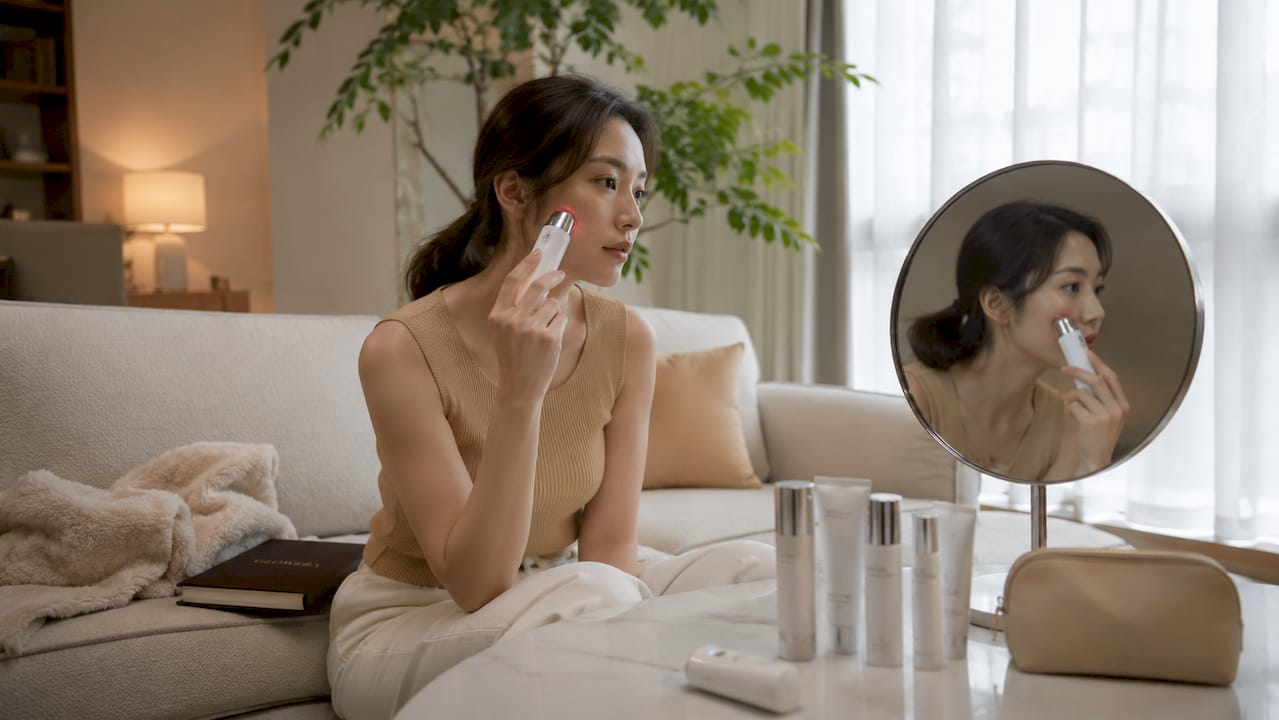
Multi-technology devices combine several mechanisms in one tool to produce results that topical products cannot replicate alone. The key technologies found in professional-grade at-home devices include:
- EMS (electrical muscle stimulation): Tones facial muscles and improves circulation, giving skin a firmer, more lifted appearance.
- Red light therapy: LED masks emit red light wavelengths that stimulate collagen production and improve skin renewal. Sessions of 10–20 minutes, used 3–4 times weekly, produce sustained glow.
- Vibration: Micro-vibrations increase blood flow and help serums penetrate more deeply into the skin.
- Hot and cold contrast therapy: Heat opens pores and prepares the skin for product absorption. Cold constricts vessels, reduces puffiness, and locks in moisture. Together, these hot and cold cycles improve blood flow and lymphatic drainage for an immediate depuffing effect.
Multi-technology devices require 10–15 minutes of daily use to produce visible improvements in texture and tone. That is a realistic commitment for most people. The key is consistency rather than intensity. A 10-minute session every evening outperforms a 40-minute session once a week.
At-home microneedling offers a different mechanism. Micro-channels created during treatment increase collagen production, improve texture, and boost serum penetration. Long-term improvements become visible after 3–4 weeks of consistent weekly sessions. Pair microneedling with a PDRN or exosome serum, such as the Medicube PDRN Collagen Exosome Shot, for maximum absorption and skin renewal.
Which active ingredients best support at-home glow?
The most effective actives for radiance work on three levels: hydration, brightening, and barrier repair. Choosing the right ones and introducing them correctly prevents the irritation that causes dullness.
- Hyaluronic acid: Draws moisture into the skin and plumps fine lines. Apply to damp skin before moisturiser for best results.
- Niacinamide: Reduces hyperpigmentation, minimises pores, and strengthens the barrier. Compatible with most other actives.
- Vitamin C: Brightens existing pigmentation and protects against new UV-induced damage. Use a stabilised form (L-ascorbic acid or ascorbyl glucoside) in the morning.
- Peptides: Signal the skin to produce more collagen. They work slowly but compound over time, making them ideal for long-term glow maintenance.
- Retinoids: The most clinically supported active for improving texture and tone. Start with a low concentration (0.025–0.05%) twice weekly and increase gradually.
Over-layering active treatments compromises the skin barrier and leads to dullness rather than glow. This is the opposite of what you want. The rule is simple: fewer products used consistently outperform many products used sporadically.
Pro Tip: Before adding any new active, check the ingredient list for potentially harmful chemicals such as high-concentration alcohols, synthetic fragrances, and parabens. These can destabilise your barrier and reduce the effectiveness of your glow-focused actives.
When using devices alongside actives, apply your serum first, then use the device to drive the ingredient deeper. The Medicube AGE-R ATS Air Shot uses needle-free mesotherapy to deliver serums into the skin without the recovery time associated with traditional needling. For a detailed breakdown of the correct order, the serum and device layering guide on Glowera covers the sequencing precisely.
What is a step-by-step routine to maximise your at-home glow treatment?
A structured morning and evening routine is the most reliable way to build lasting radiance. The sequence below integrates skincare and device use for maximum effect.
Morning routine
- Cleanse with a gentle, pH-balanced cleanser (60 seconds).
- Apply vitamin C serum to clean, slightly damp skin. Wait 60 seconds before the next step.
- Moisturise with a hyaluronic acid or ceramide-rich cream.
- Apply SPF 30+ as the final step. Do not skip this, even on overcast days.
Evening routine
- Double cleanse if you wore SPF or makeup. Oil cleanser first, then a water-based cleanser.
- Apply your treatment serum (niacinamide, peptides, or retinoid depending on the night).
- Use your beauty device for 10–15 minutes. Apply the serum before the device session so the device drives absorption.
- Seal with moisturiser or a barrier-repair cream.
| Routine step | Timing | Purpose |
|---|---|---|
| Vitamin C serum | Morning | Brightening and antioxidant protection |
| SPF 30+ | Morning (final step) | Prevents collagen degradation and pigmentation |
| Treatment serum | Evening | Targets texture, tone, or hydration |
| Beauty device session | Evening (post-serum) | Drives absorption and stimulates collagen |
| Barrier-repair cream | Evening (final step) | Seals moisture and supports overnight recovery |
The most overlooked step is waiting 8–12 weeks for skin to stabilise before layering advanced device treatments on top of a new skincare base. Introducing devices too early, before the barrier is strong, increases the risk of sensitivity. Monitor for redness or peeling. If either appears, reduce device duration or active frequency before continuing.
Common pitfalls to avoid:
- Over-exfoliation: Using acids or physical exfoliants more than 2–3 times per week damages the lipid barrier and causes the dullness you are trying to reverse.
- Skipping SPF: Every unprotected UV exposure degrades the collagen and brightness you are building through your evening routine.
- Mixing incompatible actives: Retinoids and vitamin C used together can cause irritation. Use vitamin C in the morning and retinoids at night.
For a complete layering sequence with device timings, the 2026 skincare device layering guide on Glowera provides step-by-step protocols for every skin type.
Key takeaways
Maximising your at-home glow treatment requires a stable four-pillar skincare routine, correctly sequenced active ingredients, and consistent device use over a minimum of 8–12 weeks.
| Point | Details |
|---|---|
| Build the routine first | Establish cleanse, treat, moisturise, and protect before adding devices or strong actives. |
| Allow 8–12 weeks to stabilise | Skin needs time to adapt before advanced treatments produce visible, lasting results. |
| Use devices after serums | Apply serum first, then use your device to drive deeper absorption and improve efficacy. |
| Introduce actives slowly | Start retinoids and acids twice weekly and increase only when skin shows no irritation. |
| Protect with SPF daily | UV exposure reverses glow gains. SPF 30+ every morning is non-negotiable. |
Why consistency beats intensity in at-home glow routines
I have seen the same pattern repeat itself with people who start a glow-focused routine. They buy five new products in the first week, add a device in week two, and then wonder why their skin looks worse, not better. The answer is almost always barrier damage from doing too much, too fast.
The most effective approach I have found is to treat the first eight weeks as a foundation phase. No new actives. No devices. Just cleanse, a single targeted serum, moisturiser, and SPF. It feels underwhelming, but it is the phase that determines whether everything that follows will actually work.
Devices are genuinely powerful tools when the skin is ready for them. Red light therapy and microcurrent produce real, measurable changes in collagen density and skin tone. But they amplify whatever state your barrier is in. A compromised barrier plus a device session produces inflammation. A healthy barrier plus a device session produces glow.
The mental shift that makes the biggest difference is letting go of the idea that more products equal faster results. Skincare rituals also carry a genuine wellness benefit when they are calm and consistent rather than reactive and experimental. Your skin responds to routine the same way your body responds to sleep. Regularity matters more than any single product.
— Adam
Glowera’s professional-grade devices for at-home radiance
Achieving professional results at home depends on having the right tools. Glowera stocks a curated range of clinically backed beauty technology devices, from LED light therapy masks that stimulate collagen with red and blue light wavelengths, to microcurrent facial devices that tone and lift with electrical muscle stimulation.
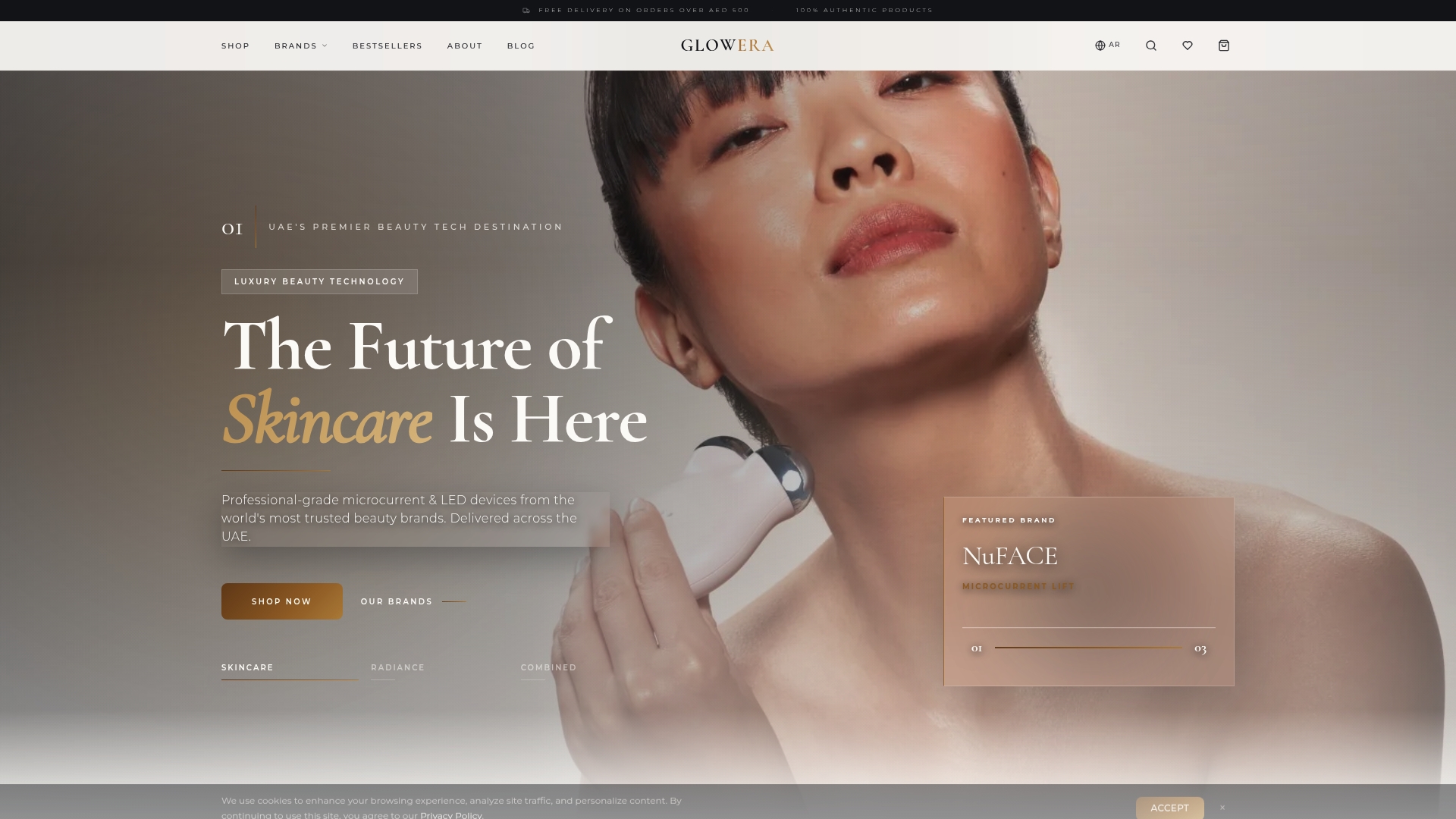
The K-beauty tech collection includes multi-technology devices from trusted brands including Medicube, NuFACE, FOREO, and Dr. Dennis GROSS, all available for delivery across the UAE. Every device listed on Glowera is authentic, with detailed usage guides and customer support to help you integrate it correctly into your routine. If you are ready to move beyond topical products alone, the range gives you a clear, evidence-based starting point.
FAQ
What does “maximise at-home glow treatment” mean?
It means combining a stable skincare routine with correctly used beauty devices and active ingredients to improve skin hydration, texture, and radiance at home. The process follows dermatology-approved principles and requires consistent application over 8–12 weeks.
How long before I see results from an at-home glow routine?
Most people see initial improvements within 3–4 weeks, but the full impact of a new routine becomes visible after 8–12 weeks. Devices like LED masks and microcurrent tools can produce visible tone improvements sooner with consistent daily use.
Can I use a beauty device every day?
Multi-technology devices designed for daily use, such as those combining EMS, red light, and vibration, are safe for 10–15 minute daily sessions. LED masks are typically used 3–4 times weekly. Always follow the manufacturer’s guidance and reduce frequency if redness or sensitivity appears.
Which active ingredients are best for natural skin brightening?
Vitamin C, niacinamide, hyaluronic acid, and peptides are the most effective actives for brightening and barrier support. Introduce them one at a time, starting at low frequency, to avoid irritation that causes dullness.
Is SPF really necessary as part of a glow routine?
SPF is the single most important step for preserving glow results. UV exposure degrades collagen and causes pigmentation that directly reverses the brightness built through your evening routine. Use SPF 30 or higher every morning as the final skincare step.