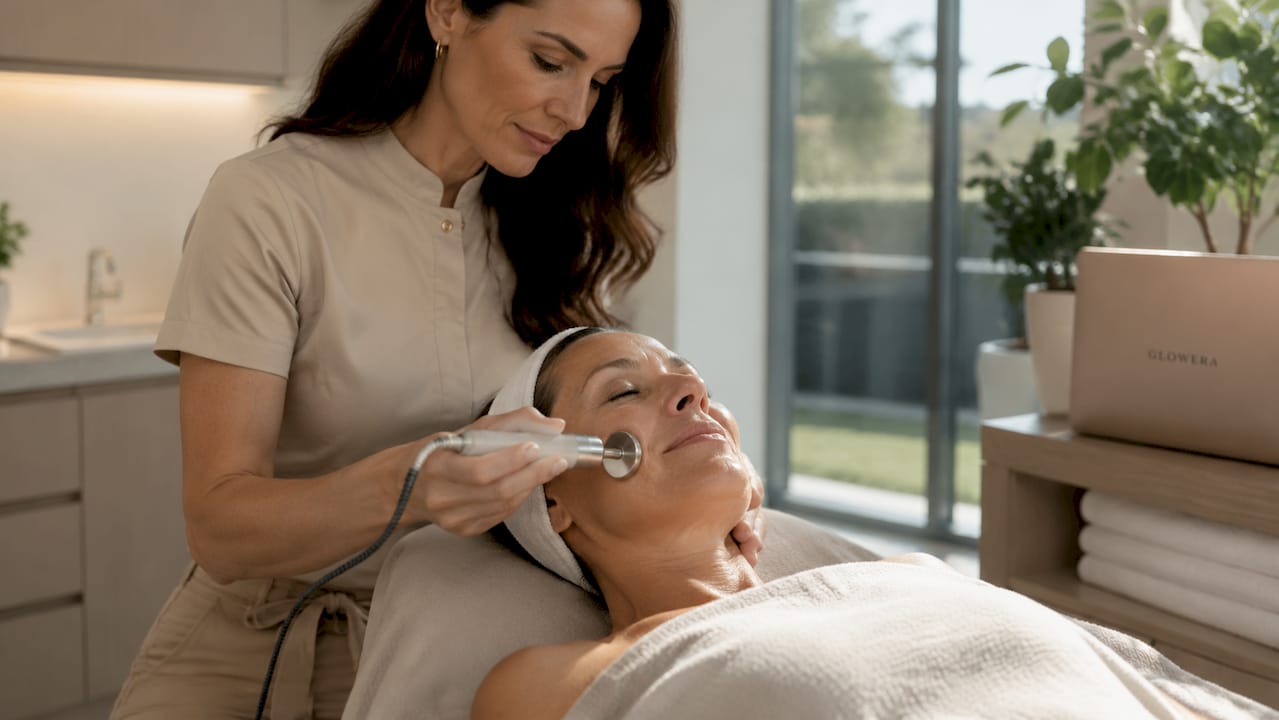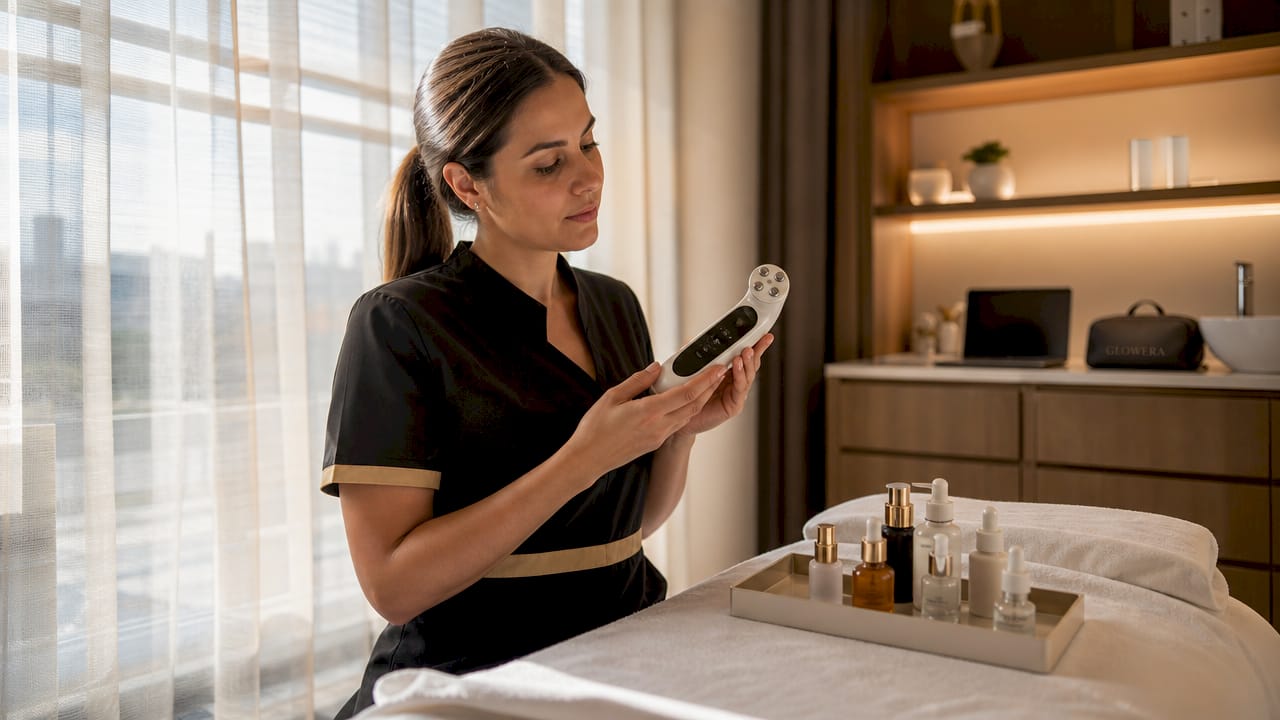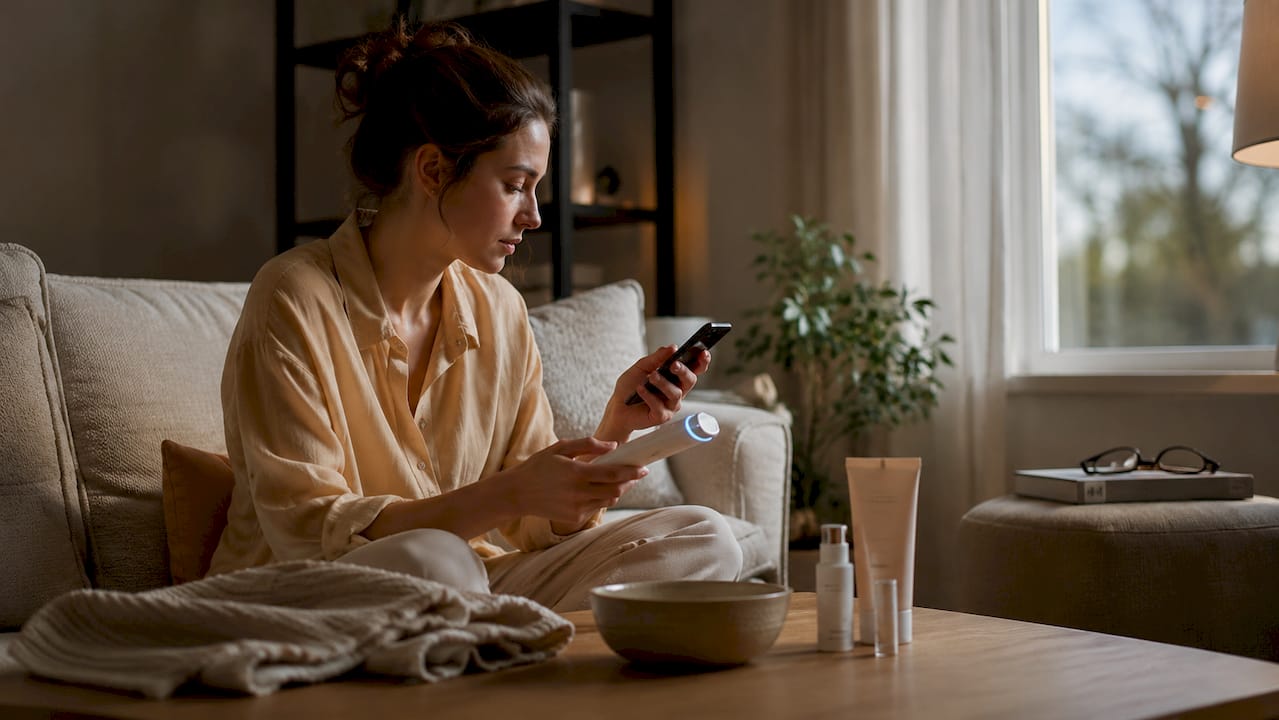
Layering serums with facial devices is defined as a structured technique that coordinates product application order, serum selection, and device timing to maximise absorption and skin results at home. The method works because facial devices physically alter skin conditions, while serums deliver active ingredients to those primed tissues. Together, they produce results that neither achieves alone. Glowera’s curated range of microcurrent, LED, and radiofrequency devices is built around this exact principle: technology and skincare working in concert. Mastering the sequence is what separates a routine that delivers visible change from one that simply feels thorough.
How to layer serums with facial devices: device and serum compatibility
The first rule of using serums with facial tools is matching your serum type to your device. Water-based, conductive serums transmit energy efficiently and sit lightly on skin, making them the correct choice for pre-device application. Oil-based or occlusive products block energy transfer and can cause discomfort or sensitivity when used before energy-based devices.
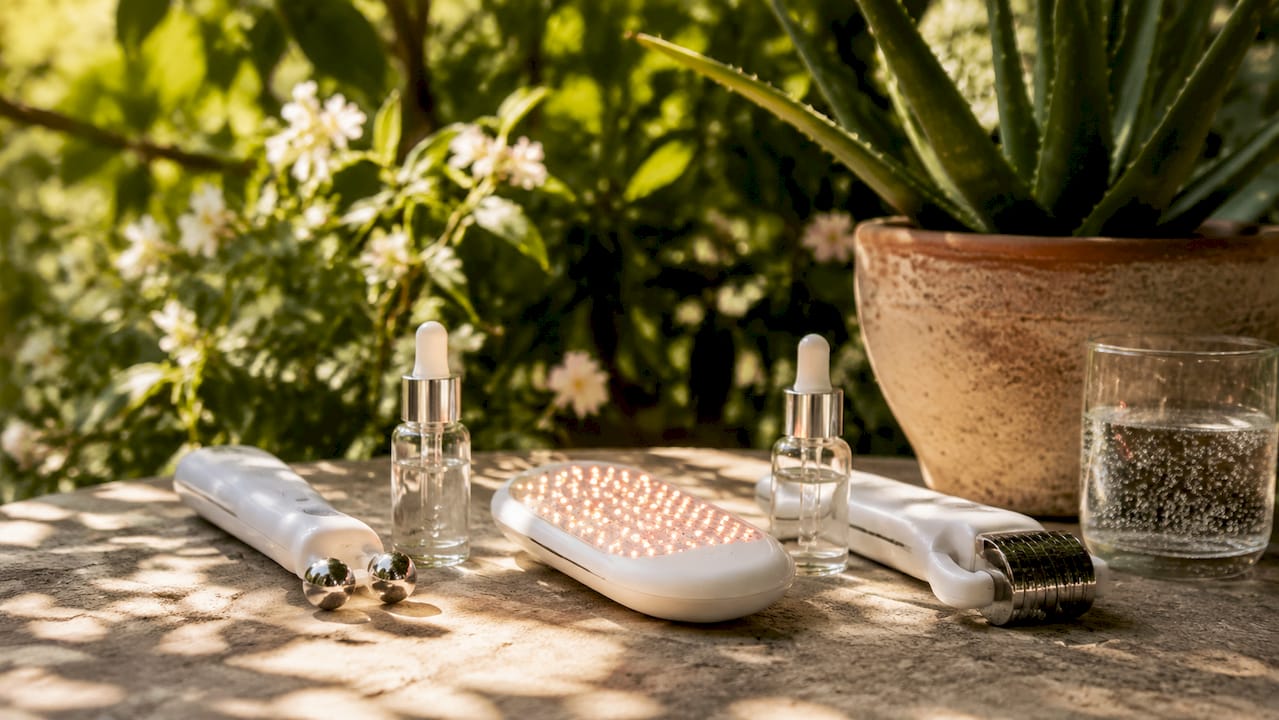
Different devices demand different serum profiles. The table below summarises the key pairings.
| Device type | Best pre-device product | Best post-device serum | Synergy benefit |
|---|---|---|---|
| Microcurrent | Electrolyte-rich conductive gel | Peptide or collagen serum | Deeper muscle stimulation and firming |
| LED light therapy | Water-based primer or plain gel | Antioxidant or Vitamin C serum | Enhanced photobiomodulation and brightening |
| Radiofrequency (RF) | Conductive water-based gel | Hyaluronic acid or retinoid | Collagen remodelling with deeper active delivery |
| Gua Sha / facial roller | Facial oil or slippery serum | Hydrating or calming serum | Improved lymphatic drainage without skin friction |
Microcurrent devices show measurably improved efficacy over 4–6 weeks when paired with electrolyte-rich gels, while LED devices show enhanced uptake with antioxidants or peptides, with results typically visible in 4–8 weeks. That timeline matters because it sets realistic expectations and keeps you consistent long enough to see genuine change.
Gua Sha is a useful exception to the energy-device rules. Facial massage tools require a slippery medium such as facial oil to glide properly and avoid skin irritation. Using a dry or water-based serum with Gua Sha creates friction that tugs the skin rather than moving it.
Pro Tip: Never apply a thick moisturiser or face oil before a microcurrent or RF device. The product creates a barrier that reduces the electrical current reaching deeper tissue, making the treatment less effective and potentially uncomfortable.
Step-by-step routine for serum layering with facial devices
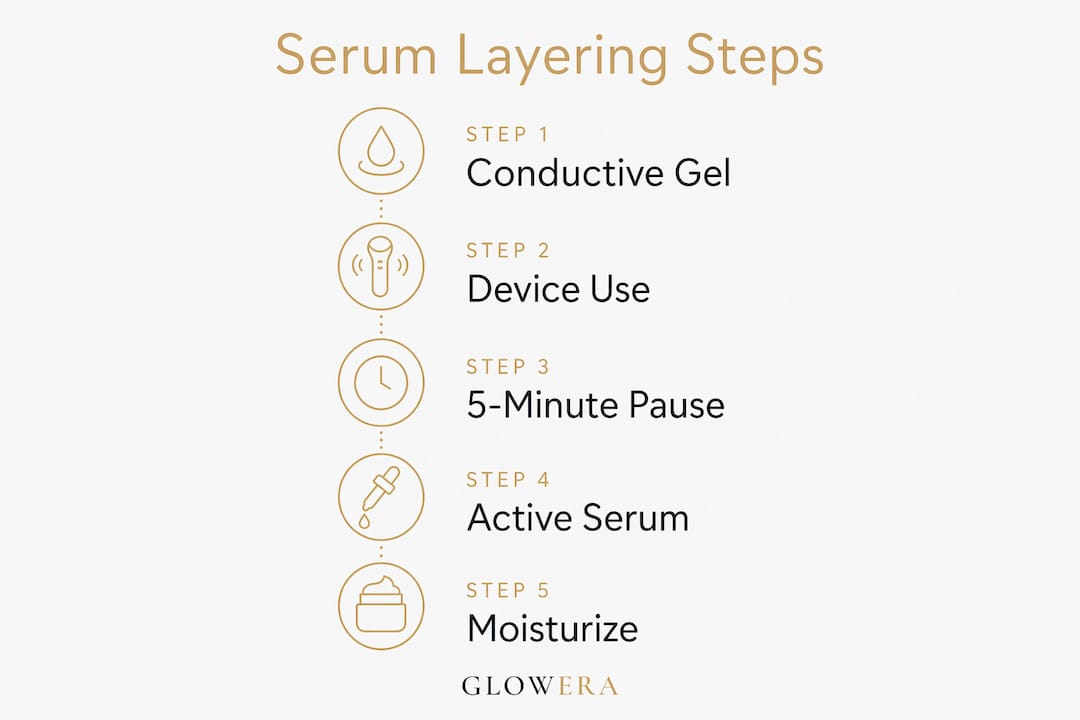
The correct sequence for facial treatment with serums follows a clear two-phase logic: prepare and conduct, then deliver actives. The optimal general order is cleansing, applying a conductive serum or gel, device treatment, applying targeted active serums within 30 minutes, and sealing with moisturiser or SPF. Deviating from this order reduces both device efficacy and serum absorption.
Follow these steps for a complete at-home routine:
- Cleanse thoroughly. Remove all makeup, sunscreen, and surface debris. Residue on the skin interferes with device contact and energy transmission.
- Apply a conductive gel or water-based serum. Use a thin, even layer. This is your pre-device medium, not your active treatment step.
- Perform your device treatment. Work in the motions recommended for your specific device. Keep movements slow and deliberate to maintain consistent contact.
- Remove excess gel if needed. A light tissue press or damp cloth removes residue without stripping the skin.
- Apply active serums within the permeability window. Applying active serums with ingredients such as retinoids and Vitamin C immediately after device treatment intensifies biological skin stimulation. You have a 20–60 minute window to take advantage of this.
- Layer from thinnest to thickest. If you are using more than one serum, apply the lightest formula first and allow each layer 60–90 seconds to absorb before the next.
- Seal with moisturiser. A hydrating moisturiser locks in the actives you have just applied. In the morning, finish with SPF 30 or higher.
Pro Tip: Set a timer for 5 minutes after your device session before applying your first active serum. This brief pause lets skin settle and avoids any immediate sensitivity reaction, particularly with retinoids or acids.
Consistency across this sequence is what drives cumulative results. Skipping the conductive gel step or applying your actives an hour after device use both reduce the return on your routine.
How do facial tools influence serum absorption?
Facial devices change the physical state of skin, and that change is what makes serum layering so effective. Thermal and mechanical actions of facial devices open skin pathways and enhance circulation, enabling better absorption and locking in of actives. This is not a passive process. The device actively prepares the tissue to receive ingredients.
| Physiological change | Cause | Effect on serum absorption |
|---|---|---|
| Increased skin temperature | RF and warming devices | Dilates pores and softens the lipid barrier |
| Improved microcirculation | Microcurrent and massage tools | Speeds nutrient delivery to the dermis |
| Temporary permeability increase | All energy-based devices | Allows actives to penetrate more deeply |
| Reduced surface tension | Mechanical vibration | Helps serums spread evenly across the skin |
The skin permeability window lasts approximately 20–60 minutes after device use, during which active ingredient absorption is maximised when actives are applied promptly. Missing this window means your retinoid or peptide serum sits largely on the surface rather than reaching the dermis where it does its work.
Devices such as microcurrent and RF work on deeper skin layers, while topical serums influence the upper dermis. Combined use enhances overall skin remodelling in a way that neither approach achieves independently. Think of the device as opening a door and the serum as walking through it. The door closes after 20–60 minutes, so timing is not optional.
Pairing skincare ingredients with devices correctly also prevents active ingredients from competing with each other. Applying a niacinamide serum before an antioxidant, for example, can reduce the effectiveness of both if the skin is not ready to receive them in sequence.
What are the most common mistakes when layering serums with devices?
The most frequent error in facial devices and serum layering is applying too many products before the device. More product before device use does not mean better results. Minimal pre-device layers optimise energy transfer to deeper tissue, while serums nourish the surface after treatment. Stacking toners, essences, and serums before your device session creates a physical barrier that the device current or light must penetrate before reaching skin.
A second common mistake is poor timing. Applying your active serums more than 60 minutes after device use means you have missed the permeability window entirely. The skin has returned to its baseline state, and the serum performs no better than it would in a routine without any device at all.
Safety warnings and technique errors to avoid:
- Do not use occlusive products pre-device. Applying thick, occlusive, or oil-based products before energy-based devices reduces energy efficiency and can cause sensitivity.
- Do not use Gua Sha on dry skin. Friction without lubrication causes micro-tears and redness. Always use a facial oil or suitable serum as a slip medium.
- Do not layer more than two active serums post-device. Overloading the skin during the permeability window can cause irritation, particularly if one of the actives is a retinoid or acid.
- Do not skip the seal step. Leaving actives exposed without a moisturiser on top allows them to evaporate rather than absorb.
- Do not use broken or irritated skin. Energy-based devices should never be used over active breakouts, wounds, or compromised skin barriers.
“Effective layering divides the routine into two phases: minimal, conductive watery layer pre-device, and potent, richer actives post-device. This structure avoids pilling and maximises results.”
Product pilling is another sign that layering order is wrong. If your serum balls up on the skin, it usually means a heavier product was applied before a lighter one, or the skin was not clean enough before application. Correct the sequence and the problem resolves immediately.
Key takeaways
Layering serums with facial devices works because devices create a temporary permeability window of 20–60 minutes, during which active serums absorb more deeply than they would on unprepared skin.
| Point | Details |
|---|---|
| Use conductive gel pre-device | Water-based gels ensure proper energy transfer and reduce the risk of skin sensitivity. |
| Apply actives within 60 minutes | The permeability window closes after 20–60 minutes, so timing your serum application is critical. |
| Match serum type to device | Microcurrent needs peptides, LED benefits from antioxidants, and RF pairs well with hyaluronic acid. |
| Avoid occlusive products pre-device | Thick creams and oils block energy transmission and reduce treatment effectiveness. |
| Seal with moisturiser post-serum | Locking in actives with a moisturiser prevents evaporation and extends their contact time with skin. |
Why I think most people are using their devices in the wrong order
After spending years testing at-home facial devices and tracking results across different routines, the pattern I see most often is this: people invest in a quality device, use it correctly, and then immediately reach for their usual serum without thinking about timing or product compatibility. The device does its job. The serum does not.
The permeability window concept changed how I approach every session. Knowing that skin is genuinely more receptive for up to 60 minutes after device use makes the post-device step feel urgent rather than optional. I now treat those minutes as the most valuable part of the routine, not an afterthought.
What I have also found is that less is more before the device. Stripping the pre-device step back to a single conductive gel feels counterintuitive when you have a shelf of carefully chosen products. But the results speak clearly. The device reaches deeper tissue, the subsequent serums absorb more fully, and the skin responds faster. Consistency with this structure over 4–6 weeks produces the kind of change that a disorganised routine rarely delivers, regardless of how good the individual products are.
If you are using a professional-grade device at home, the sequence is not a suggestion. It is the mechanism. Get the order right, and the device earns its place in your routine.
— Adam
Glowera’s devices and serums for effective at-home layering
Glowera stocks a curated selection of microcurrent, LED, and RF devices designed specifically for at-home use, alongside compatible conductive gels and serums that support the layering technique described throughout this article.
The K-beauty tech range includes devices engineered for serum compatibility, with clear guidance on which products to pair at each stage of the routine. For those focused on lifting and toning, Glowera’s microcurrent device collection includes options from NuFACE and Medicube, both of which are designed to work with conductive gels for maximum efficacy. Every product on the platform is authenticated and supported by detailed usage guidance, so you can build a layering routine with confidence from the first session.
FAQ
What serums work best with microcurrent devices?
Electrolyte-rich conductive gels work best during microcurrent treatment, while peptide or collagen serums applied immediately after maximise the firming and lifting results. Microcurrent devices show improved efficacy over 4–6 weeks when this pairing is used consistently.
How long after using a facial device should I apply serum?
Apply your active serum within 20–60 minutes of completing your device session. The skin permeability window closes after this period, and absorption returns to baseline levels.
Can I use a facial oil before my RF or microcurrent device?
No. Oil-based and occlusive products reduce energy transmission and can cause discomfort during RF or microcurrent treatments. Apply facial oils only after device use, as part of your post-device serum and moisturiser step.
How do I know if my serum layering order is wrong?
Product pilling, reduced device glide, or skin sensitivity during treatment are the clearest signs. Correct the sequence by stripping back to a single conductive gel pre-device and applying actives only after the session.
Is it safe to use multiple serums after a facial device session?
Using up to two active serums post-device is generally safe for most skin types. Applying more than two increases the risk of irritation, particularly when one of the actives is a retinoid or an acid. Allow 60–90 seconds between each layer.