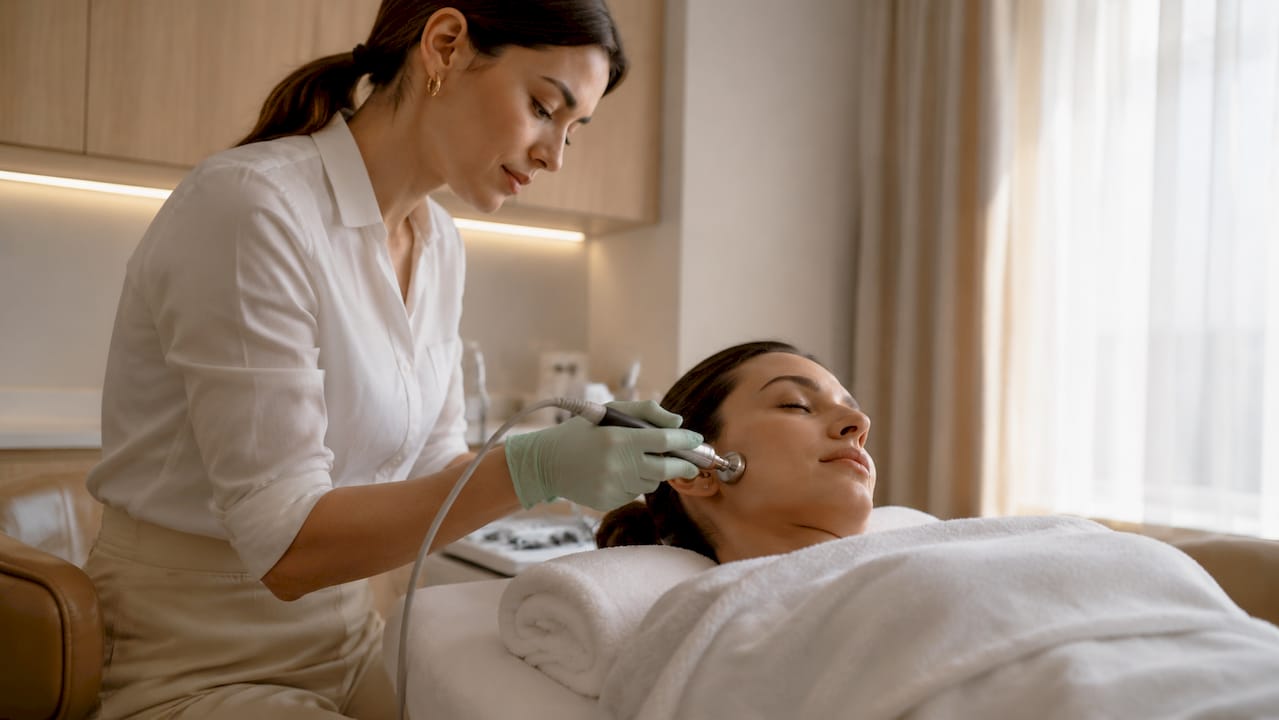
Fine lines have a way of appearing quietly, often first noticed around the eyes or mouth during your mid-to-late twenties, then gradually spreading across the forehead and cheeks through your thirties and forties. The good news is that the right reduce fine lines facial device can make a measurable difference when used consistently at home. In this guide, you will find everything you need to know: which technologies actually work, how to use them correctly, what results to realistically expect, and how to avoid the common mistakes that leave most people disappointed.
Table of Contents
- Key takeaways
- How to choose a facial device for reducing fine lines
- Step-by-step guide: using your device for best results
- Understanding results and realistic timeframes
- Troubleshooting and getting more from your device
- My perspective on at-home devices and realistic skin health
- Explore Glowera’s range of facial devices
- FAQ
Key takeaways
| Point | Details |
|---|---|
| Choose the right technology | Microcurrent and LED light therapy are the most clinically supported options for gradual fine line improvement. |
| Prioritise FDA-cleared devices | Cleared devices carry evidence of safety and efficacy, making them a far safer investment. |
| Consistency drives results | Visible improvement in skin tone and texture typically requires 4 to 12 weeks of regular use. |
| Prepare your skin first | Cleansing and applying a conductive serum before each session maximises results and reduces irritation. |
| Devices complement, not replace | At-home tools deliver subtle improvements; they work best alongside a solid skincare routine and healthy habits. |
How to choose a facial device for reducing fine lines
Not all anti-ageing facial tools are built the same, and understanding the core technologies available will save you money and frustration.
The three main technology categories
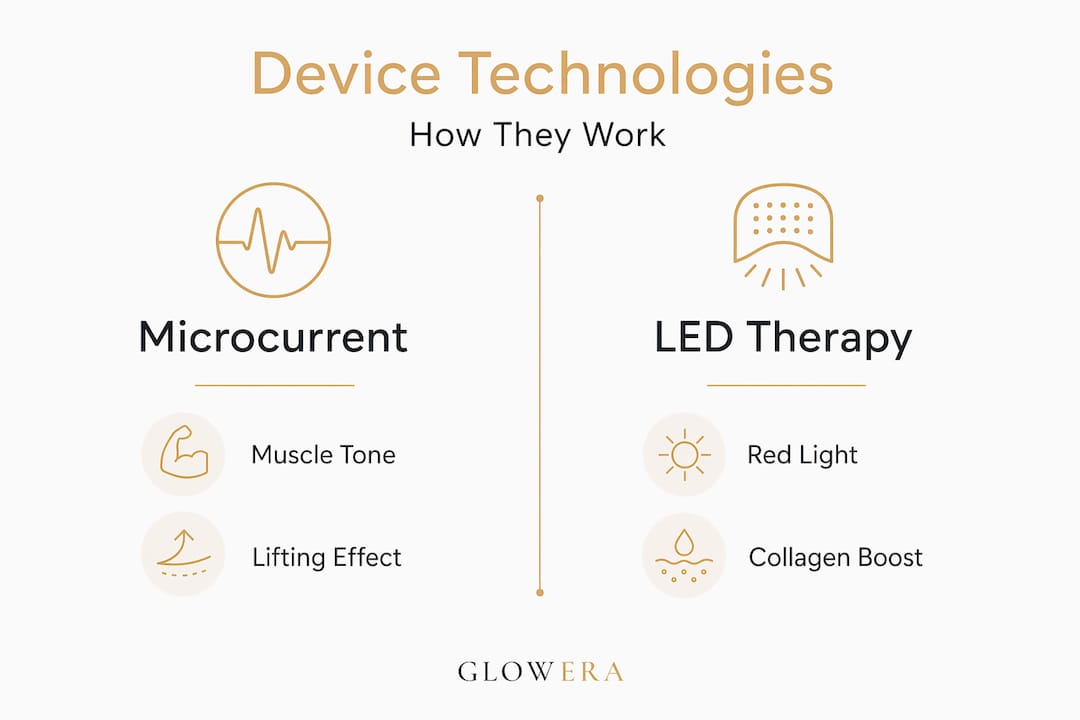
Microcurrent devices send low-level electrical currents through the skin to stimulate the underlying facial muscles and encourage ATP (adenosine triphosphate) production, the energy source cells use for repair. Microcurrent and LED light therapy are regarded as the most promising at-home technologies for gradual improvement of skin tone and mild fine lines, with dermatologists specifically recommending FDA-cleared options. Brands like NuFACE and ZIIP have made these devices widely accessible, and the microcurrent technology benefits extend well beyond surface-level improvements.

LED light therapy uses specific wavelengths of light to trigger biological responses in the skin. Red light (typically 630 to 660nm) stimulates collagen production, while near-infrared light penetrates deeper for tissue repair. LED devices with medically relevant wavelengths can gradually improve skin tone and reduce mild fine lines with safe, FDA-cleared technology, often in sessions as short as ten minutes.
Facial massage and vibration tools work by improving microcirculation, stimulating lymphatic drainage, and boosting collagen production when used with skincare products. Vibration therapy at high frequencies stimulates blood circulation to enhance skin radiance and firmness, making these tools a useful complement to the above technologies.
What to look for before you buy
Before selecting any device to smooth skin at home, consider these factors:
- FDA clearance or medical certification. This is not optional. Cleared status means the device has been reviewed for safety and effectiveness against its claims.
- Skin type compatibility. Certain microcurrent devices are not suitable for people with epilepsy, pacemakers, or active breakouts. LED devices may need to be avoided if you are taking photosensitising medications.
- Build quality and battery life. A device you will use five times a week needs to feel reliable. Check warranty terms, waterproofing, and user reviews for long-term durability.
- Price versus commitment. Entry-level tools start around AED 200. Professional-grade microcurrent devices from brands like NuFACE can reach AED 1,500 or more. Match the investment to your level of commitment.
| Technology | Best for | Average session length | Price range (AED) |
|---|---|---|---|
| Microcurrent | Muscle toning, fine lines, contouring | 5 to 15 minutes | 400 to 1,500+ |
| LED light therapy | Collagen stimulation, redness, texture | 10 to 20 minutes | 300 to 2,000+ |
| Vibration/massage | Depuffing, circulation, absorption | 5 to 10 minutes | 150 to 600 |
Pro Tip: If you are new to at-home beauty technology, a multifunctional device like the TheraFace Pro, which combines microcurrent, percussion, and LED therapy in one unit, offers an excellent way to test multiple approaches before committing to separate tools.
Step-by-step guide: using your device for best results
Technique matters far more than most people realise. Using the wrong method or skipping preparation steps can halve your results or cause unnecessary irritation.
Before each session
- Cleanse thoroughly. Residual SPF, make-up, or sebum blocks electrical conductivity and light penetration. Use a gentle, non-stripping cleanser.
- Apply a conductive serum (for microcurrent). Microcurrent devices require a slip medium to conduct the current safely. Most brands supply their own gel; hyaluronic acid serums also work well.
- Pat dry lightly. Your skin should be slightly damp, not wet, before using microcurrent or LED devices.
- Tie back hair and remove metal jewellery. Metal conducts current and can cause discomfort near the device’s working area.
During the session
The correct technique varies by device type:
- Microcurrent. Use slow, upward, and outward strokes along the jawline, cheeks, and brow. Daily microcurrent use can reduce wrinkles and fine lines within five to ten minutes, but only when you follow the directional guidance for your specific device. Never drag the device downward; the goal is to lift and tone, not compress.
- LED. Hold the device flush against the skin or wear a mask at the prescribed distance. Movement is minimal. Focus on relaxing facial muscles during the session to avoid expression lines forming whilst the light works.
- Vibration and massage tools. Work in upward motions from the neck to the forehead, using light pressure. Facial massage improves circulation, drains fluid, and boosts collagen stimulation, particularly when paired with a nourishing facial oil.
After each session
- Apply a hydrating moisturiser or targeted serum immediately afterwards. Skin is more receptive to active ingredients post-treatment.
- Avoid heavy exfoliants (AHAs, BHAs) within two hours of a session, as skin sensitivity is temporarily elevated.
- Use SPF 30 or higher the following morning, particularly after LED sessions.
Pro Tip: Set a recurring calendar reminder for your sessions. Research consistently shows that the main barrier to results is not the technology but the inconsistency of use. Even four sessions per week will outperform sporadic daily bursts.
Understanding results and realistic timeframes
This is where honest conversation matters most, because the fine line reduction gadget market is full of exaggerated claims.
At-home devices are generally less dramatic than clinical treatments but deliver subtle, real improvements in skin texture and fine lines with consistent use. That framing, “subtle but real,” is the most useful benchmark to carry.
Here is what you can realistically expect across a consistent programme:
- Weeks 1 to 2: Improved skin hydration and temporary depuffing after each session. The Therabody TheraFace Depuffing Wand, for example, is clinically shown to reduce puffiness and improve skin radiance after a single treatment, though its effect on fine lines is mild.
- Weeks 4 to 6: Gradual improvement in skin tone and texture, particularly around the forehead and eye area. Microcurrent users often notice more defined jawline contour by this stage.
- Weeks 8 to 12: Visible softening of mild to moderate fine lines when use has been consistent and the device is used alongside a supportive skincare routine (retinol, vitamin C, SPF).
Microcurrent stimulation is temporary at the individual session level; the cumulative benefits of regular application are what build lasting improvement over time. This is why dermatologists describe these devices as requiring ongoing commitment rather than a course with a defined endpoint.
When to reconsider your approach:
- No perceptible change in skin tone or texture after ten weeks of consistent use
- Persistent redness or sensitivity that does not resolve between sessions
- Worsening of fine lines, which can occasionally occur if technique is poor or skin is overly dehydrated
Comparing results against professional treatments is useful context, not a reason for discouragement. Clinical platforms such as the Candela Matrix, which combines RF microneedling and fractional resurfacing to stimulate deep collagen and tighten skin, will always outperform a home device in speed and intensity. The value of home tools lies in accessibility, frequency, and the ability to maintain and extend the benefits of professional treatments between appointments.
Troubleshooting and getting more from your device
Even with the best effective wrinkle reduction tools, things can go wrong. Here are the most common issues and how to address them.
The most overlooked cause of skin irritation from facial devices is not the device itself. It is the interaction between the device and an incompatible active ingredient applied immediately beforehand, particularly retinoids, exfoliating acids, or vitamin C in high concentrations.
Dealing with irritation and redness:
- Reduce the intensity setting immediately. Most microcurrent devices offer multiple levels; always start at the lowest and increase gradually over two to three weeks.
- Check your pre-treatment products. Retinol, glycolic acid, and high-concentration vitamin C can sensitise skin enough to cause a reaction when combined with electrical or light-based treatments.
- Space your active skincare products and device sessions. Use retinol at night and your device in the morning, or alternate days.
Enhancing product absorption:
Applying a serum before LED or vibration sessions can meaningfully improve ingredient penetration, as these technologies temporarily increase skin permeability. Hyaluronic acid and peptide serums are ideal; avoid anything with active exfoliants.
Device hygiene and maintenance:
- Wipe conductive heads and attachments with a damp cloth or alcohol wipe after every session.
- Store devices away from direct sunlight to preserve battery and component integrity.
- Consult a dermatologist if skin reactions persist beyond 48 hours or if you notice unusual pigment changes after LED use.
My perspective on at-home devices and realistic skin health
I have tested a fair number of these devices over the years, and the single most important lesson I have drawn is this: the technology works, but the expectations people bring to it are often the real problem.
Most people who give up on their device after six weeks do so because they expected something closer to a clinic treatment and received something quieter. What I have found is that consistent, technically correct use of a good microcurrent or LED tool genuinely changes the look and feel of skin over time. Not dramatically, not overnight, but measurably.
The 2026 facial tools guide framework I find most useful is this: think of your device as maintenance, not medicine. It sustains what good skincare, sleep, hydration, and nutrition build. It does not replace those foundations.
What I would discourage is chasing the next gadget every time progress feels slow. One quality, FDA-cleared microcurrent or LED device, used properly four times a week, will deliver more than three mediocre devices used irregularly. Commit to the process, track your skin with monthly photographs in consistent lighting, and let the results build quietly.
— Adam
Explore Glowera’s range of facial devices
If you are ready to add a clinically sound device to your routine, Glowera offers one of the UAE’s most curated selections of premium beauty technology. Whether you are drawn to the muscle-toning precision of microcurrent devices from brands like NuFACE and ZIIP, the collagen-stimulating benefits of LED light therapy devices from Dr. Dennis GROSS and CurrentBody, or the targeted innovation of K-beauty tech devices from Medicube and other leading Korean brands, every product on the platform is authenticated and quality-assured. Glowera also provides detailed educational content to help you match the right device to your skin concerns, so your investment is informed rather than impulsive. Browse the full range and find the tool that fits your skin goals and your schedule.
FAQ
What is the most effective device for reducing fine lines at home?
Microcurrent and LED light therapy devices are currently the most evidence-supported options for at-home fine line reduction. FDA-cleared devices from brands such as NuFACE and Dr. Dennis GROSS are consistently recommended by dermatologists.
How long does it take to see results from a facial device?
Most users notice improved skin tone and texture within four to six weeks of consistent use, with more visible softening of fine lines typically appearing between weeks eight and twelve.
Can I use a facial device every day?
Many microcurrent devices are designed for daily use, particularly in the initial weeks. LED light therapy can also be used daily or every other day, depending on the device’s guidelines. Always follow the manufacturer’s instructions to avoid overstimulating the skin.
Do facial devices work for deeper wrinkles?
At-home devices are most effective on mild to moderate fine lines. Deeper wrinkles typically require professional clinical treatments such as RF microneedling or fractional resurfacing to achieve significant improvement.
Is it safe to use a microcurrent device with retinol?
It is advisable to separate retinol use from microcurrent sessions. Apply retinol on alternate evenings or at least two hours before or after device use to minimise the risk of skin sensitivity or irritation.