Tracking skincare device progress results means systematically measuring and assessing skin changes with reliable, standardised methods rather than relying on memory or sporadic photos. The industry term for this practice is objective skin assessment, and it combines consistent photography, digital metrics, and lifestyle logging to produce data you can actually trust. Without a structured approach, you cannot tell whether your LED light therapy device, microcurrent tool, or K-beauty tech is genuinely working. The good news is that the tools and protocols to do this well are more accessible than ever.
How to track skincare device progress results: the essential setup
Reliable progress monitoring starts before you switch on any device. You need a controlled environment, the right tools, and a clear baseline. Skipping this step is the single most common reason people abandon effective routines too early.
Photography: the foundation of objective tracking
Consistent photography is the bedrock of any skincare results tracking system. Standardised photo conditions are recommended by skin specialists to prevent misleading assessments caused by shifting light or head position. A small change in angle or a different time of day can make skin look dramatically better or worse, with no actual change in skin quality.
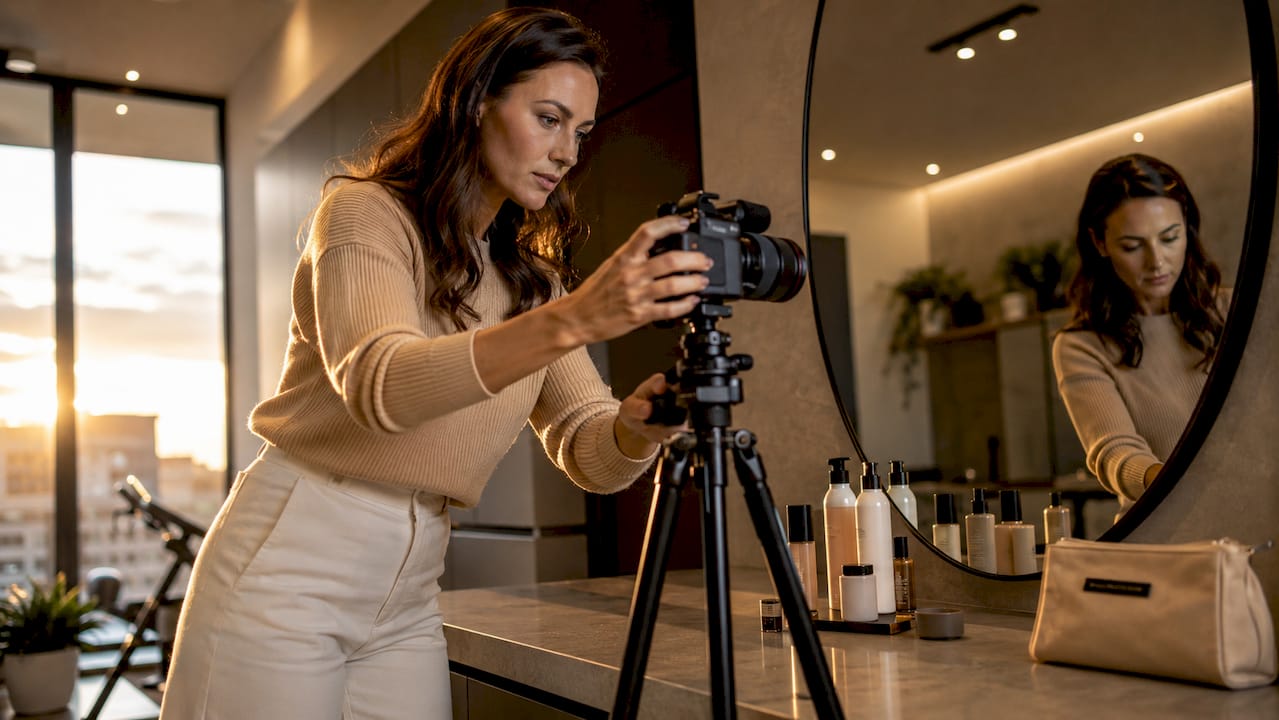
Set up your photo station once and replicate it every session. Use a tripod, fix your camera distance with marker tape on the floor, and shoot at the same time each day, ideally in the morning before applying any products. Natural, diffused light from a north-facing window is the most consistent option. Avoid bathroom lighting, which shifts in colour temperature depending on the hour.
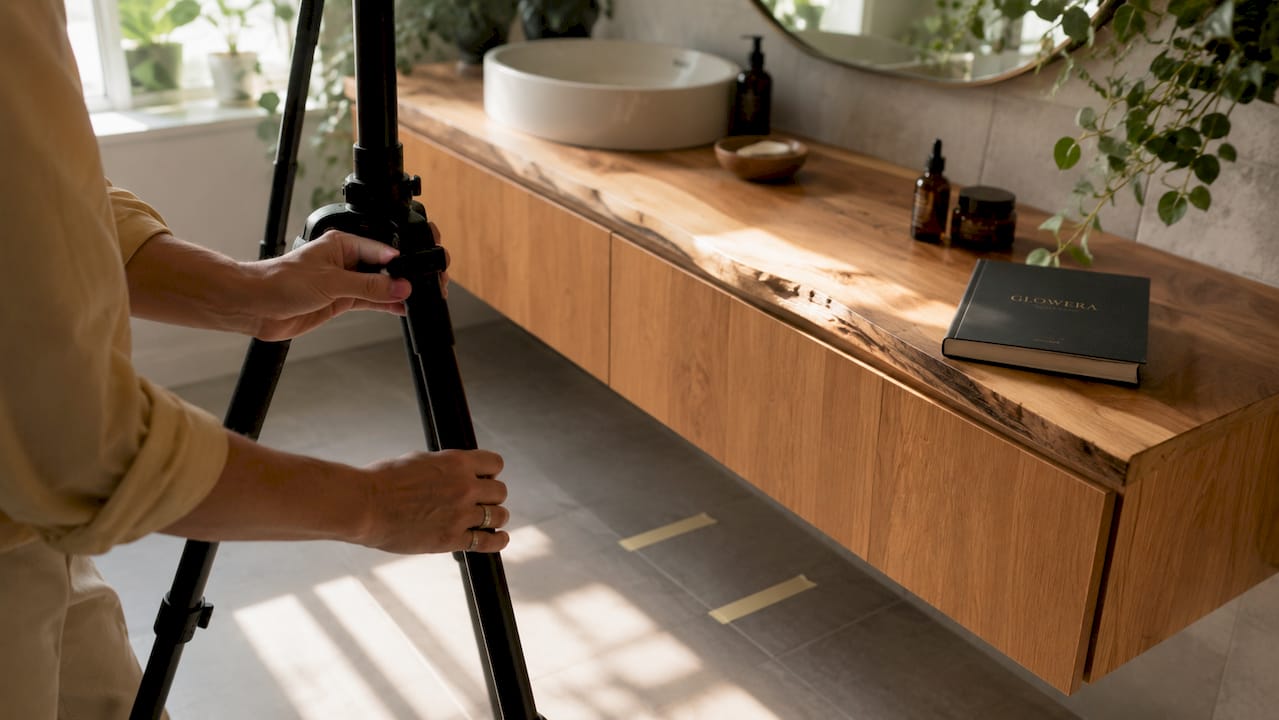
Pro Tip: Place two strips of tape on the floor to mark exactly where you stand, and use a mirror dot or sticker to align your chin height every time. This removes position variables entirely.
Digital apps and AI skin analysis
Modern AI-powered skin analysis apps go far beyond photography. These tools quantify hydration, texture, tone, redness, and pore appearance in seconds, replacing the guesswork of subjective self-assessment. The metrics update weekly or daily, giving you a data trail that a bathroom mirror simply cannot provide.
When choosing a skincare progress monitoring app, look for these core features:
- AI skin scanning that measures multiple parameters in a single image
- Time-stamped progress logs so you can compare results across weeks
- Lifestyle tracking fields for sleep, stress, and product usage
- Pattern detection that flags correlations between habits and skin changes
- Privacy controls that clarify how your facial data is stored and used
Keeping a skincare and lifestyle journal
A photo log alone is not enough. Sleep, stress, diet, and hormonal cycles all affect skin independently from any device you use. Without logging these variables, you cannot tell whether a breakout was caused by your device or by three nights of poor sleep.
| Tool | Purpose | Frequency |
|---|---|---|
| Tripod and marker tape | Fix camera position for consistent photos | Every session |
| AI skin analysis app | Quantify hydration, texture, tone, redness | Weekly minimum |
| Lifestyle journal | Log sleep, stress, diet, product changes | Daily |
| Baseline photo set | Establish starting point before treatment | Once, before day one |
Step-by-step process to measure device performance in skincare
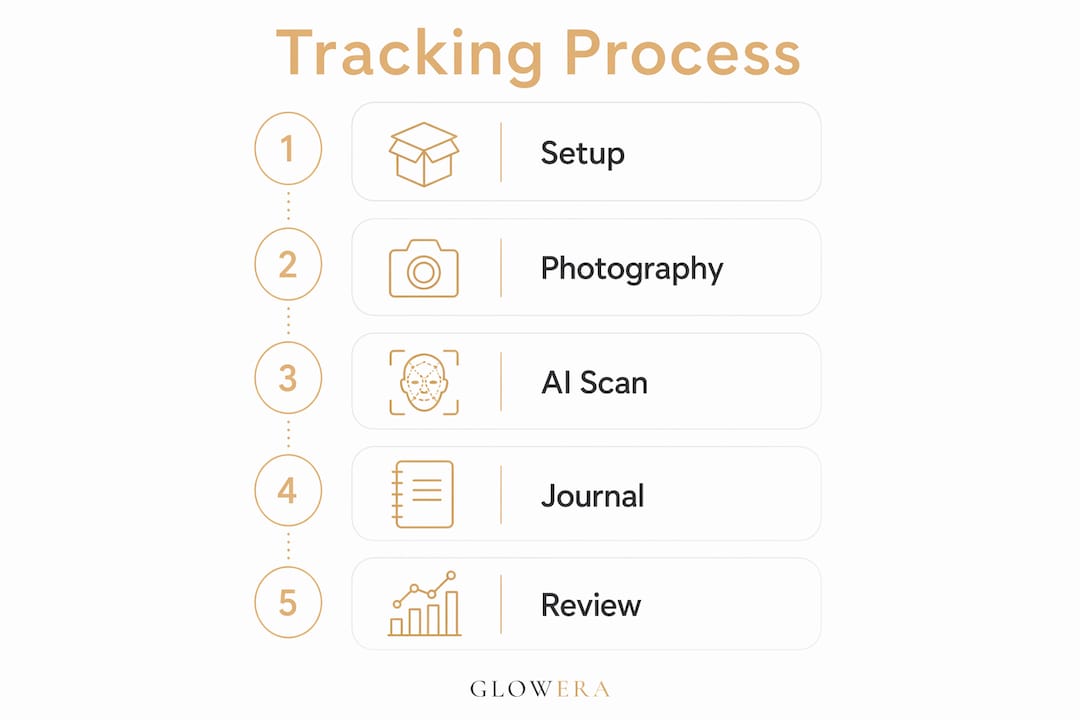
A structured workflow separates people who see results from those who do not. Follow these steps to build a tracking system that produces reliable data.
-
Establish your baseline. Take a full set of photos and run an AI skin scan before your first treatment session. Record your starting scores for hydration, texture, and any specific concerns such as redness or uneven tone. This is your reference point for everything that follows.
-
Set a fixed tracking schedule. Decide on a weekly or fortnightly check-in day and stick to it. Consistency in timing matters as much as consistency in device use. Tracking every day introduces noise; tracking too rarely misses meaningful trends.
-
Log each device session. Note the device used, the treatment setting, the duration, and any immediate skin reactions. This creates a usage record you can cross-reference with your progress photos.
-
Capture progress photos and run your app scan. Do both on the same day, at the same time, in the same location. Combining visual and metric data gives you two independent data points for each check-in.
-
Compare against clinical timelines. Different devices produce results on different schedules. Microneedling patches showed a 16.3% improvement in under-eye roughness after just four weeks of consistent use. That figure tells you measurable change is detectable within a month when the protocol is followed correctly.
-
Adjust your routine based on data, not feeling. If your app metrics show no change after six weeks, review your usage frequency and technique before concluding the device is ineffective. Check that you are meeting the treatment parameters validated in clinical studies for that device type.
-
Track external variables at every check-in. Log your average sleep hours, stress level, and any new products introduced that week. This context prevents you from misattributing a skin improvement or setback to your device when a lifestyle factor is the real cause.
Pro Tip: Set a recurring calendar reminder for your weekly check-in. Treat it like a medical appointment. Missed check-ins create gaps in your data that make trend analysis unreliable.
For a deeper look at how home microneedling results compare to clinical trial benchmarks, Glowera’s guide covers the evidence in detail.
Common mistakes when monitoring skincare device effectiveness
Most people undermine their own tracking without realising it. These are the errors that produce unreliable data and lead to premature abandonment of effective routines.
-
Using inconsistent selfies as progress photos. A selfie taken in different lighting, at a different angle, or on a different day of the week is not a data point. It is noise. Fixing head position and lighting is the most direct way to improve data quality.
-
Ignoring lifestyle variables. Stress, hormonal shifts, and sleep deprivation all change skin texture and tone. Attributing a breakout to your device when you have had a difficult week at work leads to incorrect conclusions.
-
Expecting results too quickly from consumer devices. Consumer-grade devices deliver lower fluence and irradiance than professional equivalents. This means timelines are longer. No visible change after 8–12 weeks may indicate the device parameters are insufficient, but abandoning a routine at week three is almost always premature.
-
Ignoring device-specific usage parameters. Treatment adherence to clinical protocols covering frequency and session duration is critical to effectiveness evaluation. Using a device less often than the validated protocol specifies will produce weaker results, not evidence that the device fails.
-
Skipping the baseline. Without a starting reference point, you have nothing to measure progress against. Even a single set of well-controlled photos taken before day one is far better than none.
“Meaningful assessment requires standardised computer vision workflows or strict photography protocols to eliminate lighting and position variables. Without these controls, progress evaluation is little more than informed guesswork.”
Pro Tip: Use a validated AI skin analysis app rather than subjective self-scoring. Objective metrics remove the confirmation bias that makes people see improvement when they want to and setbacks when they are frustrated.
How do digital skin-tracking apps improve results monitoring?
AI-assisted skin tracking apps have changed what is possible for people monitoring progress at home. These tools provide objective, time-stamped data that replaces the unreliable process of comparing photos from memory.
The most capable apps offer a combination of features that work together:
- AI skin scanning that analyses a photo and returns scores for hydration, texture, redness, and tone within seconds
- Progress timelines that display your scores as a graph, making trends visible at a glance
- Lifestyle correlation tools that connect your sleep and stress logs to skin metric changes
- Alerts and pattern detection that flag when a new product or habit coincides with a skin shift
The practical benefit is significant. When you can see that your hydration score rose by a measurable amount in the three weeks after starting a new device protocol, you have evidence. When you can see that your redness score spiked the week you slept poorly, you have context. Tracking lifestyle factors alongside device use reveals whether improvements are genuinely due to the device or driven by external changes.
Privacy is a legitimate concern with any app that stores facial images. Before committing to a platform, check whether your data is processed locally on your device or uploaded to a server, and review the app’s data retention policy. Choose apps that offer clear opt-out options and do not share biometric data with third parties.
For a broader view of where this technology is heading, Glowera’s overview of wearable skincare tech covers the latest AI skin analysis developments in 2026. If you are also working with a professional, the guide on at-home skincare appointments explains how to align home device use with professional advice for better outcomes.
Pro Tip: Run your AI skin scan at the same time of day, after cleansing and before applying any products. Moisturisers and serums alter surface reflectance and will skew hydration and texture readings.
Key takeaways
Reliable skincare progress monitoring requires objective methods, consistent conditions, and patience aligned with clinical evidence timelines.
| Point | Details |
|---|---|
| Establish a baseline first | Take controlled photos and an AI skin scan before your first treatment session. |
| Standardise your photography | Use a tripod, fixed position, and consistent lighting to eliminate variables. |
| Log lifestyle factors daily | Record sleep, stress, and product changes to correctly attribute skin improvements. |
| Respect clinical timelines | Consumer devices need 8–12 weeks minimum; expect measurable change, not overnight results. |
| Use AI metrics, not memory | Objective app scores for hydration, texture, and tone replace unreliable self-assessment. |
Why consistency matters more than the device you choose
I have spent years reviewing skincare technology, and the pattern I see repeatedly is this: people invest in a genuinely effective device and then undermine it with inconsistent tracking. They take a photo in good lighting one week and a bathroom selfie the next, compare the two, and conclude the device is not working. The device was never the problem.
The most important shift I have observed is the move from subjective feeling to objective data. When you have a graph showing your hydration score over eight weeks, you stop second-guessing yourself. You can see the trend, even when your skin does not feel noticeably different on a given day. That data also protects you from abandoning a routine during a temporary setback caused by stress or a change in weather.
What I find genuinely encouraging is that the technology to do this well is now accessible to anyone. AI skin analysis, structured lifestyle logging, and controlled photography require no specialist equipment beyond a decent phone and a tripod. The discipline to use them consistently is the only real barrier.
My honest recommendation is to treat your tracking protocol with the same seriousness as the device itself. Read the clinical evidence for your specific device type, understand the expected timeline, and commit to the full protocol before drawing any conclusions. Glowera’s clinical study guide is a good starting point for understanding what the research actually says about the devices you are using.
— Adam
Glowera’s devices and resources for tracking your skin progress
Glowera curates a range of professional-grade beauty technology devices designed to deliver measurable skin improvements at home. Every device in the catalogue is selected for its clinical backing and clear usage protocols, which makes structured progress tracking far more straightforward.
For those focused on K-beauty technology, the K-beauty tech collection includes devices from brands such as Medicube, with tools that pair well with AI skin analysis apps for objective results monitoring. If LED light therapy is your primary treatment, Glowera’s LED therapy range covers professional-grade options suited to home use. The team is also available to advise on which devices align with your specific skin concerns and tracking goals.
FAQ
How often should I track my skincare device progress?
Weekly check-ins provide enough data to identify trends without introducing daily noise. Run your AI skin scan and take progress photos on the same day each week, at the same time, before applying any products.
How long before I see measurable results from a home skincare device?
Consumer-grade devices typically require 8–12 weeks of consistent use before producing noticeable changes. Clinical trials using microneedle patches recorded a 16.3% improvement in roughness after four weeks, but results vary by device type and individual skin condition.
What is the best way to take progress photos for skincare tracking?
Use a tripod, fix your standing position with floor tape, and shoot in natural diffused light at the same time each day. Consistent photo conditions are the most reliable way to prevent misleading comparisons caused by lighting or angle changes.
Can lifestyle factors affect my skincare device results?
Yes. Sleep deprivation, stress, hormonal cycles, and dietary changes all alter skin texture and tone independently of any device. Logging these variables alongside your device sessions lets you correctly attribute improvements or setbacks.
Do I need a specialist app to monitor skincare device effectiveness?
A dedicated AI skin analysis app is strongly recommended over manual photo comparison. These apps quantify hydration, texture, redness, and tone objectively, removing the confirmation bias that makes subjective self-assessment unreliable.