Skin ageing is a biological process you can measurably slow and, in several respects, reverse using the right technology. Peer-reviewed research now confirms that devices and treatments targeting collagen synthesis, DNA methylation, and cellular repair produce visible improvements in wrinkle depth, skin texture, and elasticity. The industry term for this field is photorejuvenation and epigenetic skin restoration, though most people searching for answers simply want to know how to reverse skin aging with technology at home or in clinic. This guide covers the most effective methods, the science behind them, and exactly how to use them.
How does LED light therapy work to reverse skin aging?
LED light therapy for skin works through a process called photobiomodulation (PBM). Red and near-infrared wavelengths penetrate the dermis and stimulate mitochondrial cytochrome-c oxidase, which triggers fibroblast activity and collagen synthesis. The result is clinically documented smoothing of fine wrinkles and improved skin elasticity.
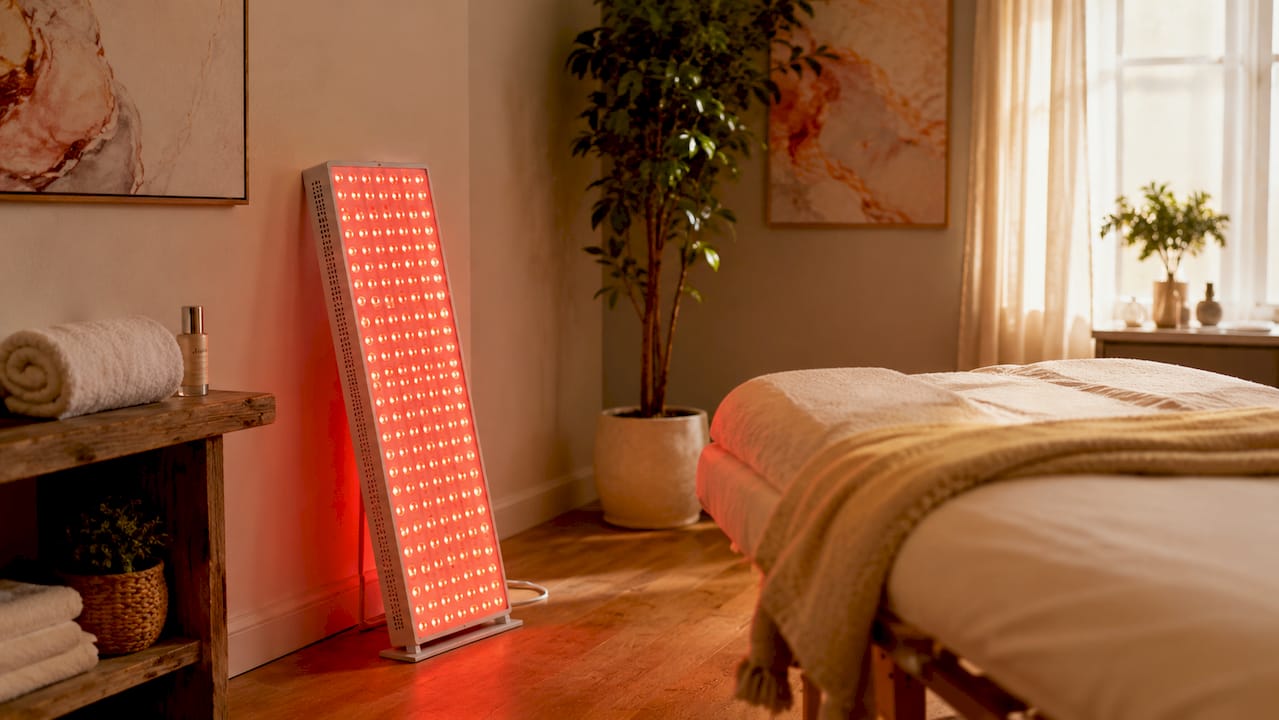
Wavelength selection determines what the treatment actually does. Red and near-infrared light penetrate deeply to stimulate collagen and fibroblast activity, making them the correct choice for anti-ageing goals. Blue light targets superficial bacteria and inflammation, which makes it effective for acne but largely irrelevant for collagen production. Choosing the wrong wavelength means spending time and money on a device that cannot deliver the result you want.
Device quality matters as much as wavelength. Clinical-grade LED devices outperform most consumer masks because they deliver higher irradiance and more precise wavelengths. Many affordable home devices simply do not emit enough energy to trigger a meaningful biological response.
Consistency is the non-negotiable variable. Daily use over 8–12 weeks is required to achieve measurable results, with skin density improvements beginning as early as 28 days into a consistent protocol. Sporadic use produces no meaningful change.
Key factors that determine LED therapy outcomes:
- Wavelength: Red (630–660nm) and near-infrared (810–850nm) for anti-ageing; blue (415–450nm) for acne only
- Irradiance: Higher energy output drives deeper tissue response; check mW/cm² specifications before purchasing
- Session duration: Most clinical protocols recommend 10–20 minutes per session
- Frequency: Daily use over at least 8 weeks produces the most reliable results
- Device fit: Masks that sit close to the skin deliver more energy than panels held at a distance
Pro Tip: Before purchasing any LED device, check whether the manufacturer publishes irradiance data in mW/cm². Devices that omit this figure typically lack the power needed for collagen stimulation.
What technologies are reversing skin aging at the molecular level?
The most significant recent development in anti-ageing science is the ability to reverse epigenetic markers of skin ageing, not just mask their visible effects. Non-ablative fractional laser treatment reverses age-associated DNA methylation at 83.9% of related sites, reducing brown-spot counts by a median of 38% one month after treatment. These are molecular changes, not surface corrections.
Topical compounds are now achieving similar results. Dihydromyricetin (DHM), a flavonoid compound, clinically reverses epidermal biological skin age by modulating DNA hypermethylation, improving skin roughness and dermal echogenicity across different ethnicities. DHM formulations represent a genuinely new category of topical treatment, distinct from retinoids or peptides.
| Technology | Mechanism | Timeline for results |
|---|---|---|
| Non-ablative fractional laser | Reverses DNA methylation, reduces pigmentation | Visible at 1 month; stabilises at 6 months |
| Topical DHM | Modulates epigenetic hypermethylation | Gradual improvement over weeks to months |
| Microcurrent therapy | Stimulates facial muscles and ATP production | Visible toning within 4–6 weeks of daily use |
| LED photobiomodulation | Stimulates collagen via mitochondrial activation | Measurable at 28 days; significant at 12 weeks |
| Cellular reprogramming | Targets genetic ageing markers | Early human trials; not yet consumer-ready |
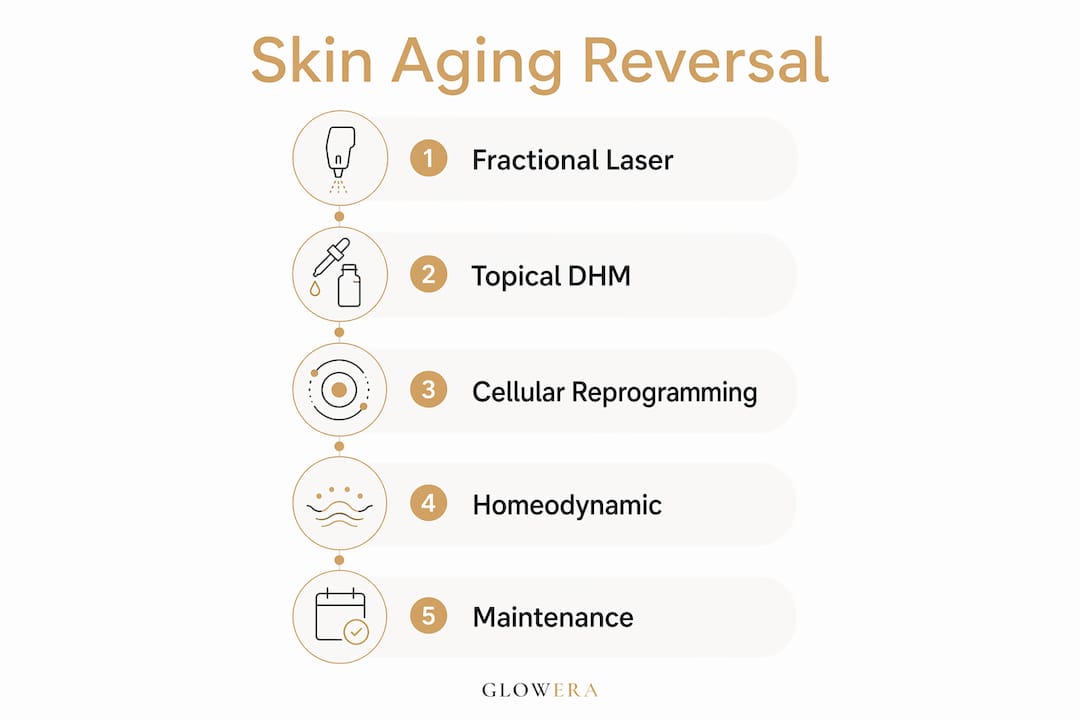
Cellular reprogramming represents the frontier of this field. Early human trials show promise for therapies that target ageing at the genetic level, with research advancing towards treatments for conditions like glaucoma. These approaches remain experimental. Consumer claims about reprogramming products currently lack clinical backing and require caution.
A broader framework worth understanding is homeodynamic rejuvenation. Rather than targeting individual wrinkles or spots, this approach focuses on restoring the skin’s capacity to adapt and recover from stress, reactivating cellular processes that underpin structural integrity and regenerative competence. It is a systems-level view of skin ageing that explains why consistent, multi-modal routines outperform single-device approaches.
Epigenetic changes from fractional laser stabilise around 6 months post-treatment. That stabilisation period is the reason patience is not optional with these advanced methods. The biology takes time to consolidate.
How to build a skin rejuvenation routine using technology
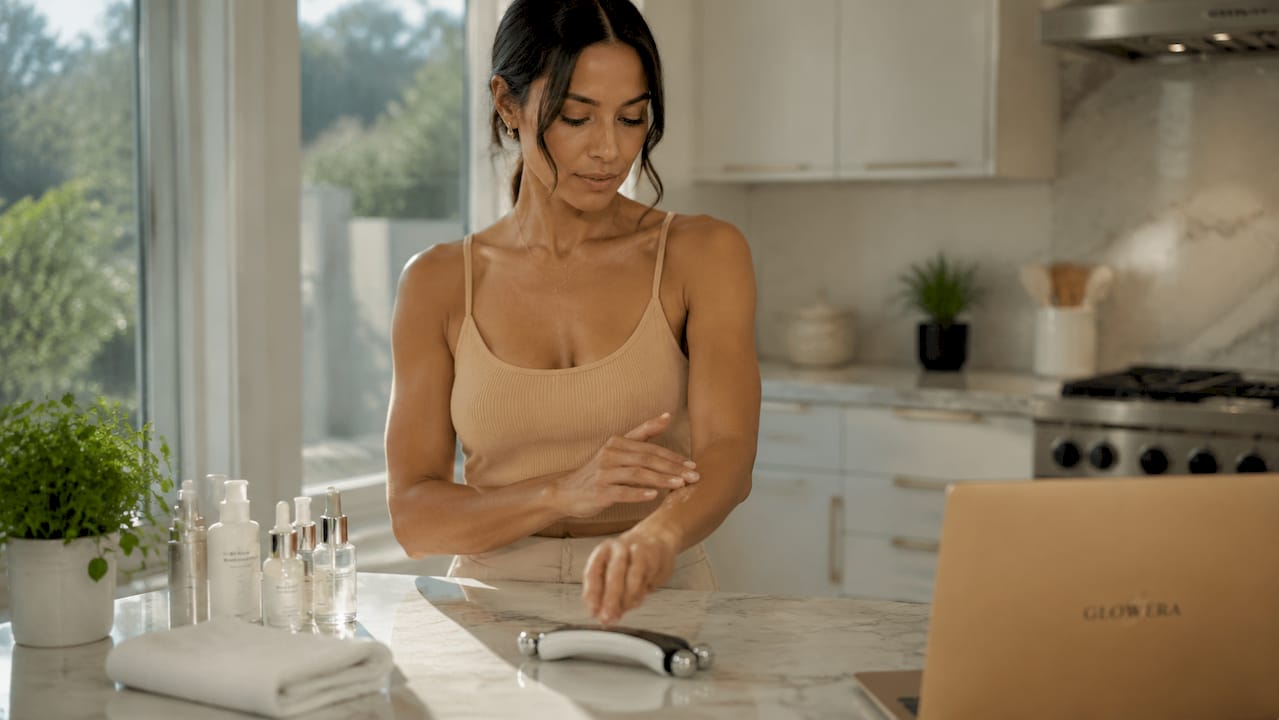
A well-structured routine combines device categories that address different biological targets. LED masks stimulate collagen at the cellular level. Microcurrent devices tone facial muscles and improve product absorption. Non-invasive laser or radiofrequency tools address deeper structural changes. Using one category alone produces limited results compared to a layered approach.
A practical four-step protocol for home use:
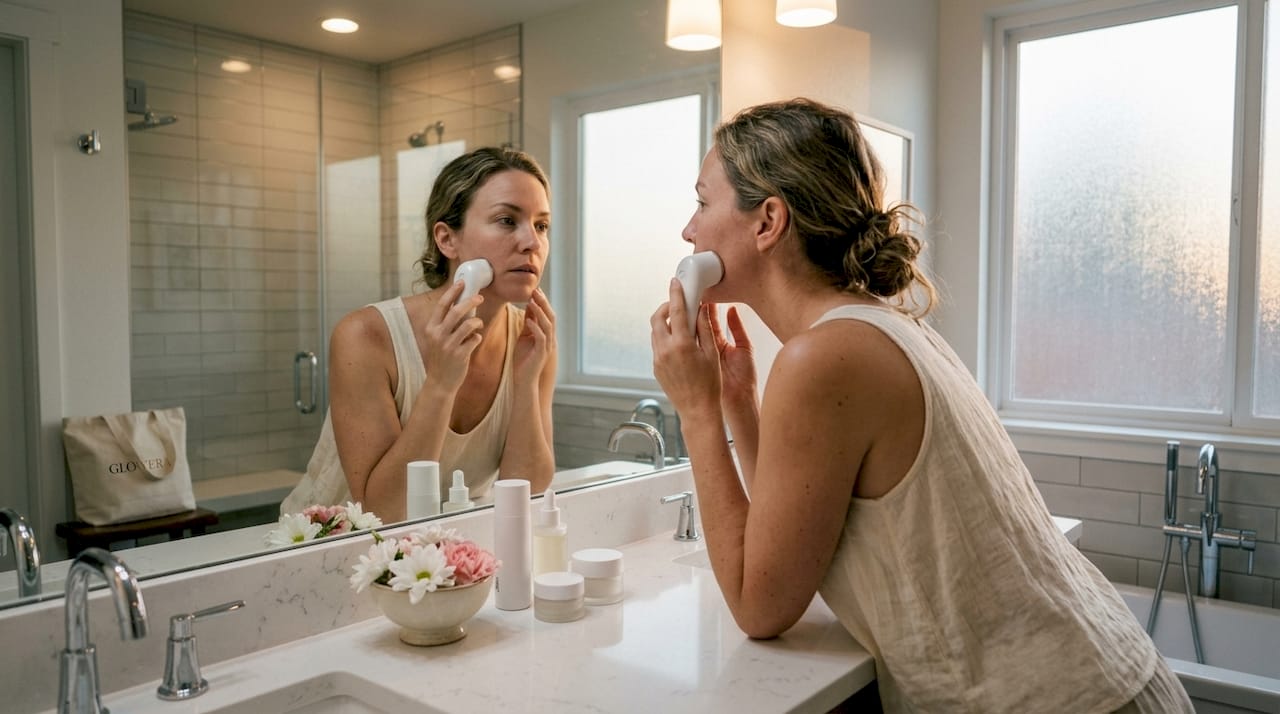
- Cleanse thoroughly. Clean skin maximises device contact and prevents trapping bacteria or residue under energy-emitting devices. A sonic cleansing device removes more debris than manual washing alone.
- Apply a serum with active ingredients. Retinol, niacinamide, or a DHM-based formulation applied before LED therapy benefits from the increased cellular receptivity that photobiomodulation creates.
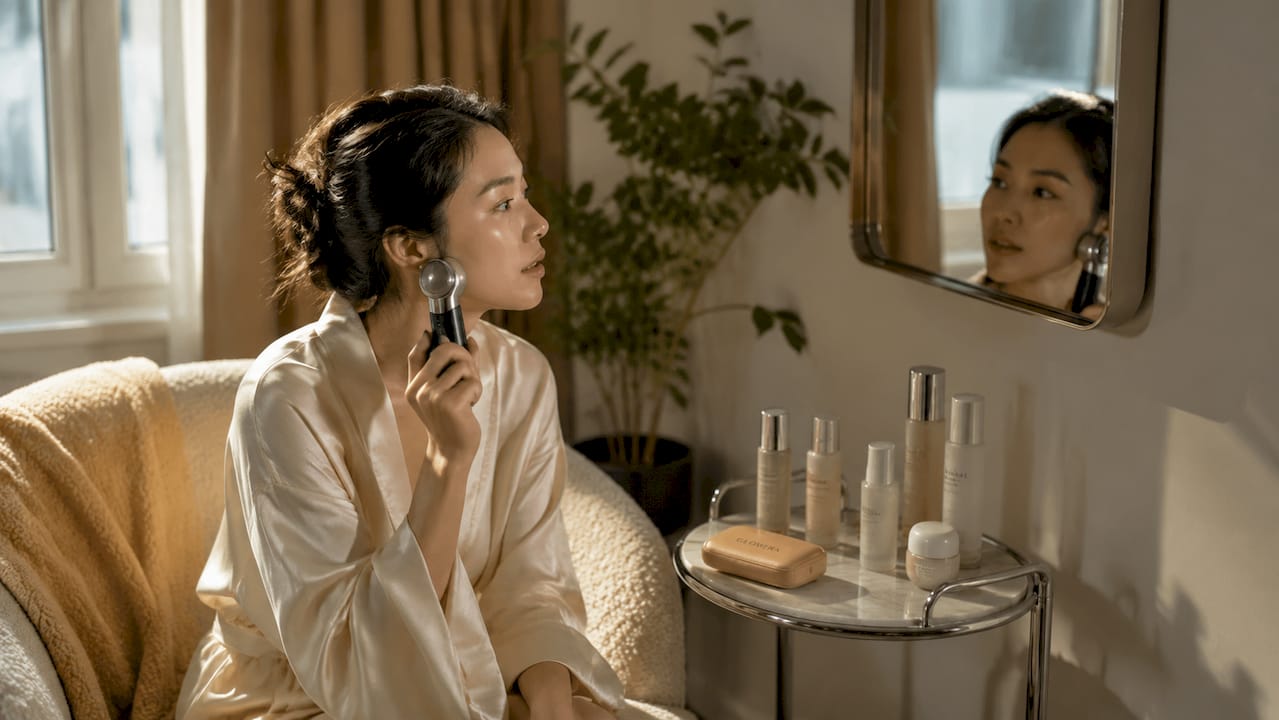
- Use your primary device. LED mask sessions run 10–20 minutes. Microcurrent devices like the Medicube AGE-R Ultra Tune combine radiofrequency and microcurrent for facial toning and wrinkle reduction.
- Finish with SPF. Sun protection is not optional. UV exposure directly undoes collagen gains from device use.
Combining LED therapy with proven actives like retinol and niacinamide enhances anti-ageing outcomes. LED acts as a complement to topical treatments, not a replacement. Optimal results require both.
Common mistakes that undermine results:
- Using a device inconsistently, then expecting the same outcome as daily users
- Purchasing a low-irradiance mask because it is cheaper, then attributing poor results to LED therapy itself
- Skipping SPF after sessions, which allows UV damage to reverse collagen gains
- Applying devices over active skin infections or broken skin
Pro Tip: Pair your LED sessions with a pulse frequency guide to understand how different device settings affect tissue response. Frequency matters as much as wavelength for certain device categories.
How to maintain results and troubleshoot common problems
Sustaining improvements from skin rejuvenation devices requires the same discipline as building them. The most common reason results plateau is inconsistent use, not device failure. If you have been using an LED mask daily for four weeks and see no change, check the irradiance specification before concluding the technology does not work.
Device maintenance directly affects performance. LED panels and masks should be cleaned after each session with a soft, damp cloth. Avoid alcohol-based cleaners on lens surfaces, as they degrade optical coatings over time. Microcurrent devices require conductive gel for effective energy transfer; using them dry reduces efficacy and can cause skin irritation.
“Significant molecular and clinical skin ageing reversal effects from technologies like fractional lasers and topical epigenetic modulators require a ‘long game’ approach, often stabilising around 6 months after treatment initiation. Consumers should expect gradual improvement rather than immediate, permanent reversal.”
Realistic timelines help you stay consistent rather than abandoning a protocol too early:
- 28 days: First measurable improvements in skin density with daily LED use
- 4–6 weeks: Visible facial toning from consistent microcurrent sessions
- 1 month post-laser: Median 38% reduction in brown-spot count
- 6 months: Epigenetic changes from fractional laser stabilise; full LED collagen benefits consolidate
Seek a professional consultation if you experience persistent redness, increased sensitivity, or no visible improvement after 12 weeks of consistent, correctly powered device use. A dermatologist can assess whether a clinical-grade treatment or a different device category is more appropriate for your skin type and concern.
Key takeaways
Technology-driven skin rejuvenation produces measurable, clinically documented results when the right devices are used consistently, at adequate power, and within a broader skincare routine that includes proven actives and daily sun protection.
| Point | Details |
|---|---|
| Wavelength determines outcome | Red and near-infrared light stimulate collagen; blue light does not address ageing. |
| Consistency is non-negotiable | Daily LED use over 8–12 weeks is required for measurable wrinkle and texture improvements. |
| Molecular reversal is real | Fractional laser reverses DNA methylation at 83.9% of age-related sites within one month. |
| Combine devices with actives | LED therapy paired with retinol or niacinamide produces better outcomes than either alone. |
| Patience governs results | Epigenetic changes stabilise around 6 months; expect gradual improvement, not instant reversal. |
What I have learnt after years of watching this field evolve
The most persistent mistake I see is people treating device purchase as the end of the process. They invest in a well-specified LED mask or microcurrent tool, use it three times, see nothing dramatic, and conclude the technology is overhyped. The science does not support that conclusion. What it does support is that consistent daily use over weeks is the actual active ingredient, not the device alone.
The molecular evidence has also shifted my view on what “reversing ageing” actually means. For years, the conversation centred on surface improvements: fewer visible wrinkles, better tone. The fractional laser and DHM research changes that framing. We are now talking about measurable changes to DNA methylation patterns. That is a fundamentally different category of result, and it deserves to be taken seriously rather than grouped with cosmetic marketing claims.
My honest caution is about the cellular reprogramming space. The research is genuinely exciting. Billionaire-funded trials are advancing quickly. But the gap between early human trial data and a consumer product that safely delivers those results is enormous. Anyone selling a “reprogramming” skincare product today is almost certainly not delivering what the clinical literature describes. Patience here is not pessimism. It is accuracy.
The practical upshot is straightforward. Use a well-specified LED device daily. Add a microcurrent tool if facial toning is a priority. Pair both with retinol and SPF. Explore wearable skincare innovations as the category matures. And give any protocol at least three months before drawing conclusions.
— Adam
Glowera’s selection of skin rejuvenation devices
Glowera curates professional-grade beauty tech devices for people who want clinically grounded results at home. The range covers LED light therapy masks validated for collagen stimulation, microcurrent devices for facial toning, and K-beauty tech tools from brands including NuFACE, FOREO, Dr. Dennis GROSS, and Medicube. Every device on the platform is selected for its scientific backing and real-world efficacy, not marketing claims. If you are ready to build a routine grounded in the technologies covered in this guide, Glowera’s curated collections are a reliable starting point for devices that actually deliver.
FAQ
What does LED light therapy actually do for ageing skin?
LED light therapy stimulates fibroblast activity and collagen synthesis through photobiomodulation, using red and near-infrared wavelengths that penetrate the dermis. Clinical studies document measurable improvements in wrinkle depth and skin elasticity with consistent daily use over 8–12 weeks.
How quickly can technology reverse visible signs of skin ageing?
Measurable improvements in skin density begin as early as 28 days with daily LED use, while fractional laser treatments show a median 38% reduction in brown spots within one month. Deeper epigenetic changes stabilise around 6 months after treatment.
Is microcurrent therapy effective for skin tightening?
Microcurrent therapy stimulates facial muscles and increases ATP production, producing visible toning and lifting effects within 4–6 weeks of consistent daily use. It works best as part of a layered routine that includes LED therapy and topical actives.
Can topical products reverse skin ageing at the molecular level?
Topical Dihydromyricetin (DHM) formulations clinically reverse epidermal biological skin age by modulating DNA hypermethylation, improving skin roughness and dermal echogenicity. This places DHM in a distinct category from conventional retinoids or peptides.
Are cellular reprogramming products available for consumers yet?
Cellular reprogramming therapies remain in early human trial phases and are not yet available as validated consumer products. Widespread consumer claims about reprogramming skincare currently lack clinical backing and should be approached with caution.