Acoustic wave beauty technology is defined as a non-invasive skin treatment that delivers controlled extracorporeal pressure pulses to stimulate collagen production, remodel connective tissue, and improve microcirculation without heat or surgery. Known in clinical settings as extracorporeal shockwave therapy (ESWT) when applied to aesthetics, it has gained significant traction in anti-ageing and cellulite treatments. The technology works by triggering mechanotransduction, a process where mechanical pressure signals activate biological responses deep within skin tissue. For anyone curious about what is acoustic wave beauty technology and whether it delivers real results, the science is both well-established and genuinely worth understanding.
How does acoustic wave therapy work on skin?
Acoustic wave therapy works by sending controlled pressure pulses into the skin, where they trigger a cellular process called mechanotransduction. This means mechanical force is converted into biological signals that tell your skin cells to repair and regenerate. The process is non-thermal and mechanical, which distinguishes it clearly from laser or radiofrequency treatments that rely on heat to achieve similar goals.
At the cellular level, the pressure pulses activate fibroblasts, the cells responsible for producing collagen and elastin. They also stimulate PIEZO ion channels, which are specialised proteins embedded in cell membranes. When these channels open in response to mechanical pressure, they trigger the release of growth factors including VEGF and FGF-2, which remodel skin connective tissue and promote new blood vessel formation.
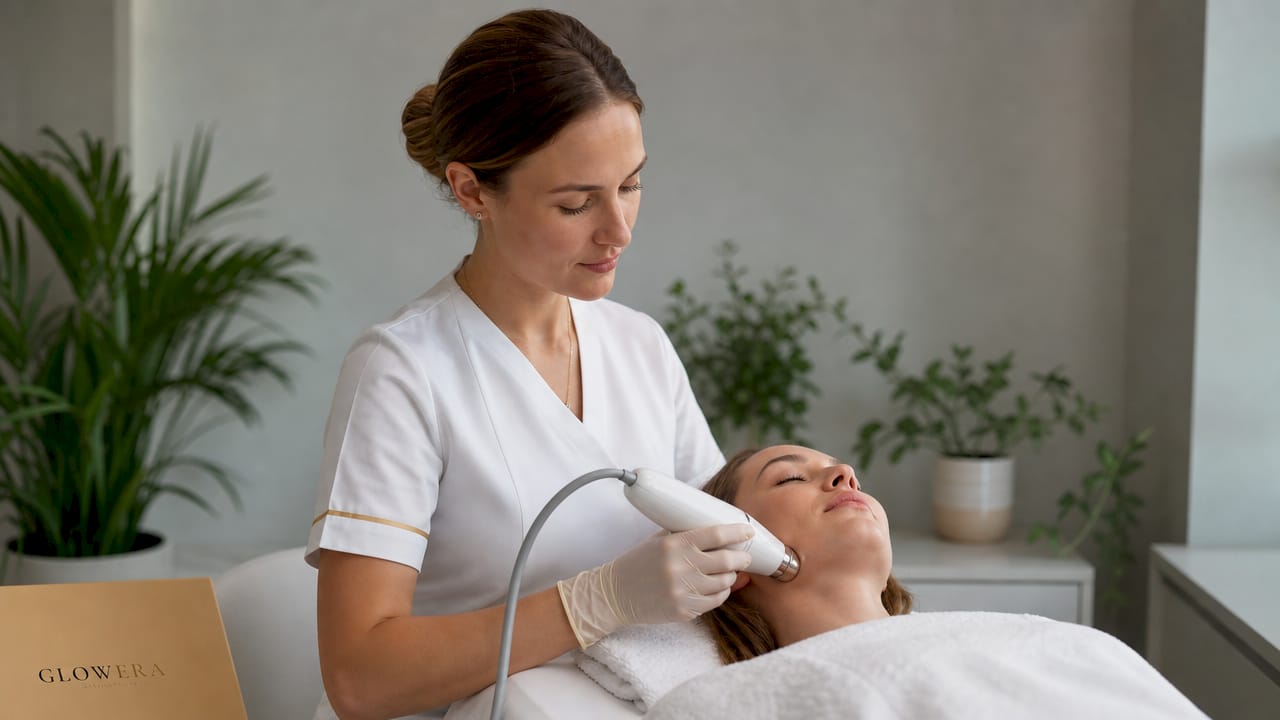
The treatment also enhances lymphatic drainage and microcirculation. Better circulation means more oxygen and nutrients reach skin cells, which accelerates the repair process. This is why acoustic wave skin treatment produces visible improvements not just in texture but in overall skin tone and firmness.
Pro Tip: If you want to understand why pulse-based devices work so effectively on skin, Glowera’s guide on pulse frequency science explains the underlying principles clearly.
Key biological responses triggered during a session include:
- Fibroblast activation and collagen synthesis
- PIEZO ion channel stimulation and growth factor release
- Neoangiogenesis (formation of new blood vessels)
- Enhanced lymphatic drainage and reduced fluid retention
- Softening of fibrotic tissue and adhesions in the dermis
What are the benefits of acoustic wave beauty treatments?
The benefits of acoustic wave technology are backed by clinical data, not just anecdotal reports. Clinical studies report up to 77% improvement in skin elasticity, with average localised circumference reductions of 0.45cm to 2cm after a full treatment course. That level of measurable change is significant for a non-invasive procedure with no recovery time.
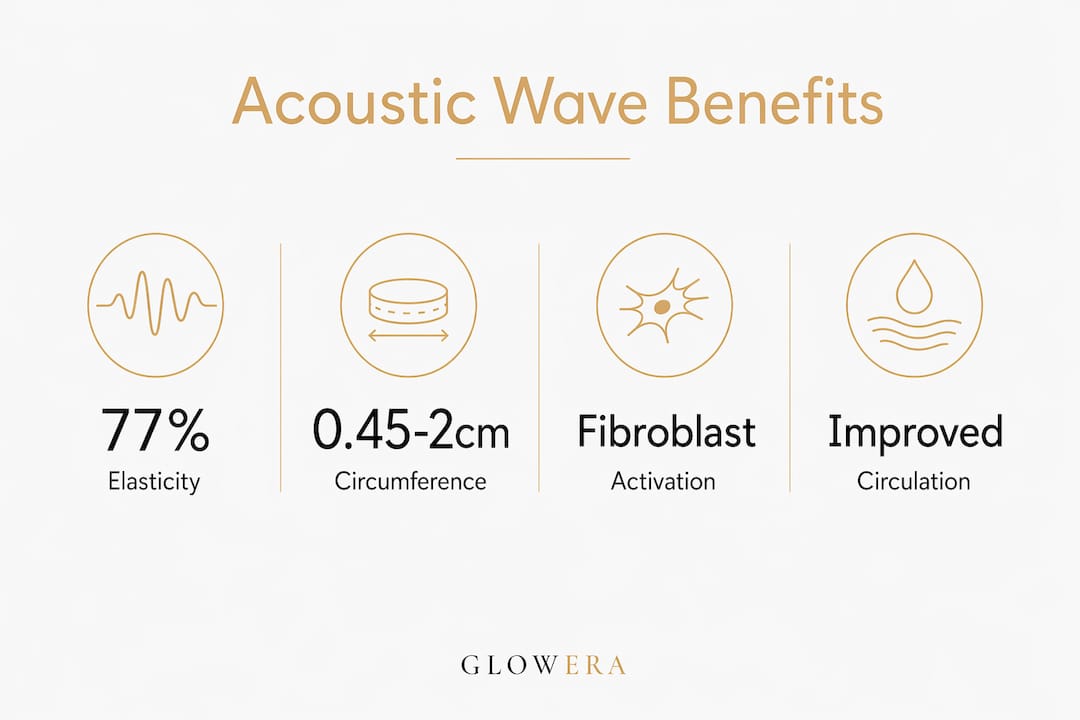
A study involving 102 patients recorded an 84% overall satisfaction rate. That figure reflects not just physical results but the patient experience, which tends to be comfortable and well-tolerated. Results build gradually over weeks as collagen remodelling continues even after sessions end.
The primary clinical outcomes you can expect from acoustic wave therapy for beauty include:
- Cellulite reduction: Pressure pulses break down fibrotic septae (the fibrous bands that cause dimpling), smoothing the skin surface.
- Skin tightening: Collagen synthesis increases dermal density and firmness over time.
- Body contouring: Circumference reductions occur as fibrotic tissue softens and fat mobilisation improves.
- Improved skin texture: Enhanced microcirculation and lymphatic flow reduce puffiness and uneven tone.
- Neoangiogenesis: New blood vessel formation supports long-term tissue health.
| Outcome | Clinical finding |
|---|---|
| Skin elasticity improvement | Up to 77% reported in clinical studies |
| Circumference reduction | 0.45cm to 2cm average per treatment area |
| Patient satisfaction | 84% overall in a 102-patient study |
| Collagen remodelling duration | Continues for weeks after final session |
Results are gradual by design. Collagen remodelling continues for weeks after the final session, which means patience is part of the process. Most people notice meaningful changes four to six weeks after completing their course.
What types of acoustic wave devices are there?
Not all acoustic wave devices work the same way. The method used to generate the pressure pulse determines penetration depth, focal precision, and the type of tissue best suited to treatment. There are four main generation methods: electromagnetic (EM), piezoelectric (PZ), electrohydraulic (EH), and radial.
Electromagnetic devices use a coil and membrane to produce a broad, uniform focal zone. Electromagnetic devices have a focal zone of approximately 4mm at around 35mm penetration depth, making them well-suited for stimulating the SMAS layer, the deeper fascial layer targeted in facial lifting and body contouring. Their broader energy spread treats a wider tissue area per pulse.
Piezoelectric devices use ceramic crystals to generate a sharper, more precise focal peak. Piezoelectric devices focus at 2–3mm with approximately 20mm penetration depth. This precision makes them ideal for targeting localised fibrotic adhesions or nodules where accuracy matters more than breadth.
Radial devices disperse energy outward from the applicator tip rather than focusing it at depth. They are best suited for superficial tissue layers, making them a common choice for cellulite treatments on the thighs, buttocks, and abdomen. Radial waves activate medium-depth tissue layers, while focused planar waves enhance deep collagen synthesis, and combining both types offers the most complete treatment for cellulite and skin texture.
| Device type | Penetration depth | Best application |
|---|---|---|
| Electromagnetic (EM) | ~35mm | SMAS layer, broad tissue stimulation |
| Piezoelectric (PZ) | ~20mm | Localised fibrosis, precise targeting |
| Radial | Superficial | Cellulite, surface texture improvement |
| Electrohydraulic (EH) | Variable | General tissue remodelling |
Pro Tip: For facial rejuvenation specifically, device selection is critical. Electromagnetic devices suit broad lifting goals, while piezoelectric devices work better for targeted contouring.
What should you expect during acoustic wave treatment?
A standard acoustic wave therapy course typically involves 6 to 8 sessions of 20 to 30 minutes each, performed twice weekly. That schedule gives tissue enough time to respond between sessions without losing treatment momentum. Most people complete a full course within three to four weeks.
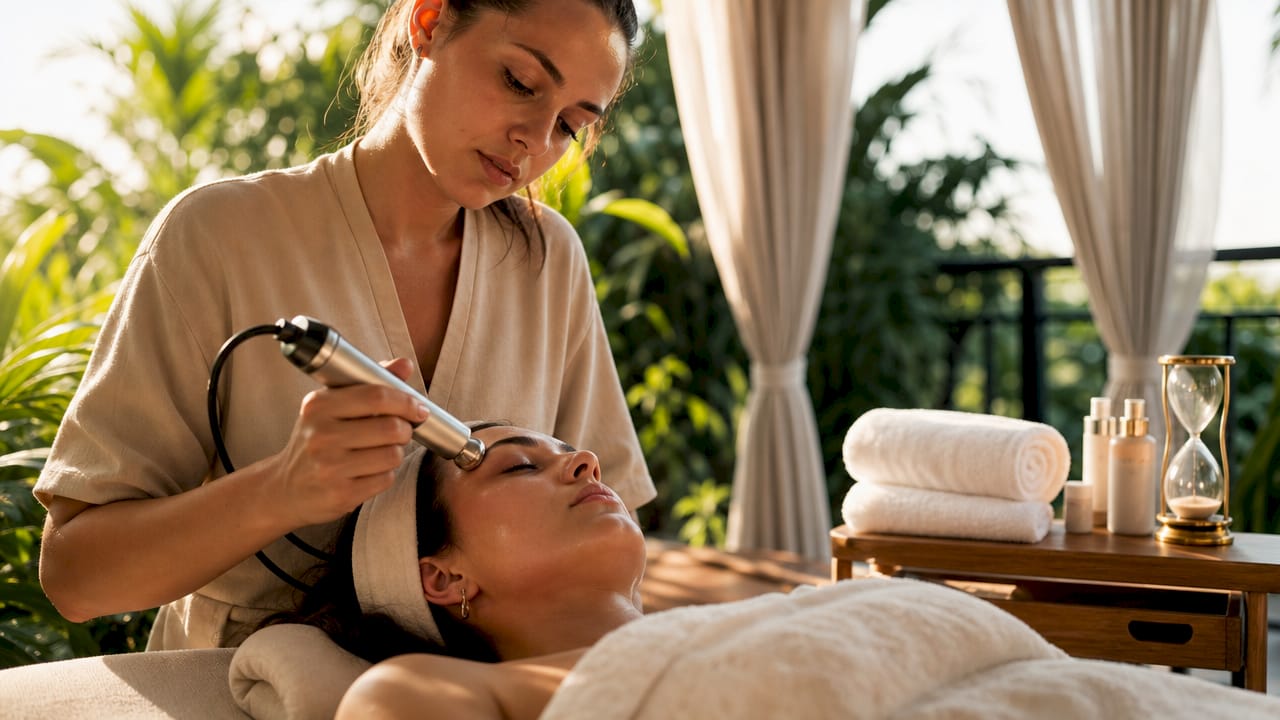
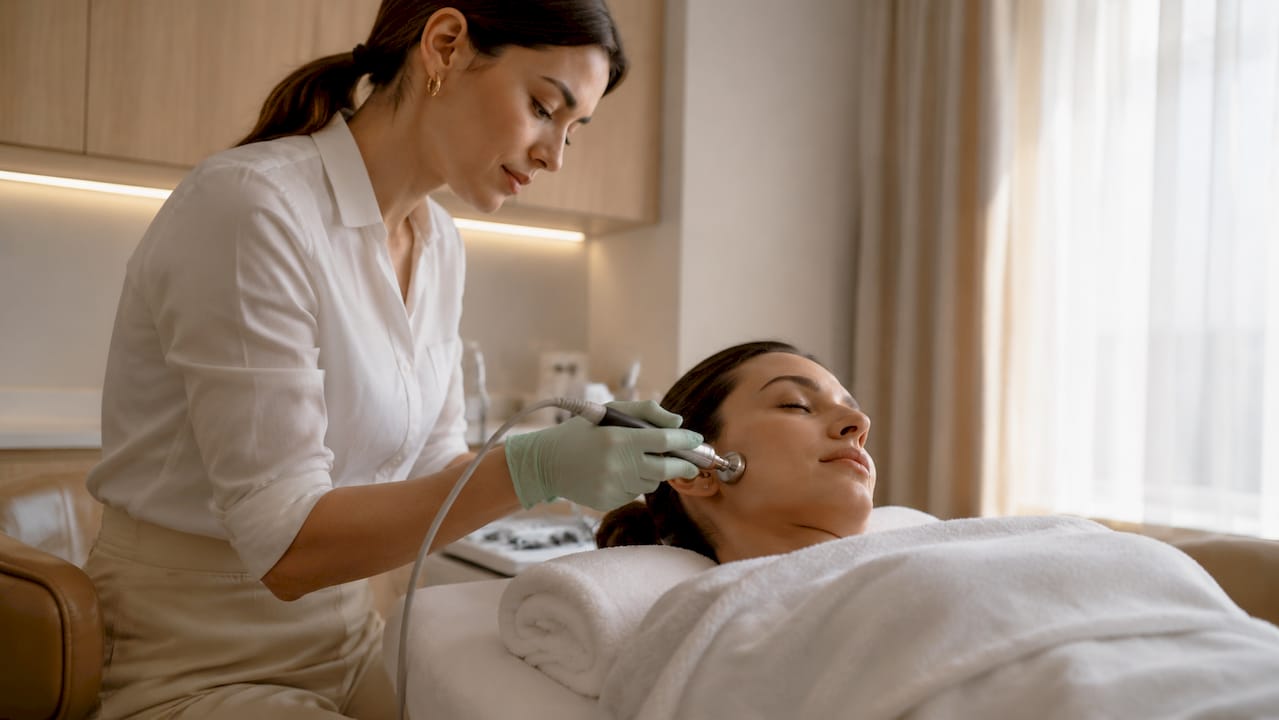
During a session, the applicator is moved across the treatment area in slow, overlapping passes. The sensation is often described as a rapid tapping or vibration, occasionally with mild discomfort over areas of dense fibrosis. Most people tolerate it well without anaesthetic. Because the treatment is non-thermal, there is no burning sensation and no skin redness afterwards.
What to expect across a typical treatment course:
- Sessions 1 to 2: Increased circulation and mild tissue warmth. Skin may feel slightly tender in treated areas.
- Sessions 3 to 4: Early collagen stimulation begins. Some people notice improved skin texture and reduced puffiness.
- Sessions 5 to 6: Firming and smoothing effects become more visible. Cellulite dimpling reduces noticeably.
- Weeks 4 to 8 post-treatment: Collagen remodelling continues. Skin elasticity and firmness reach their peak improvement.
Acoustic wave skin treatment also integrates well with other aesthetic modalities. Combining acoustic wave therapy with fat-reduction treatments such as Cryolipolysis enhances lymphatic drainage and skin texture improvements during fat-loss recovery. The acoustic waves target connective tissue while the complementary treatment addresses fat cells, producing results neither achieves as effectively alone. Treatments like HIFU and thread lifting can also be sequenced with acoustic wave therapy to address different tissue depths simultaneously.
Pro Tip: Understanding dual-frequency device principles helps you ask better questions when consulting a practitioner about combining acoustic wave therapy with other modalities.
Key takeaways
Acoustic wave beauty technology is the most evidence-backed non-invasive method for stimulating collagen, reducing cellulite, and remodelling connective tissue without heat or downtime.
| Point | Details |
|---|---|
| Core mechanism | Pressure pulses trigger mechanotransduction, activating fibroblasts and PIEZO ion channels. |
| Clinical results | Studies show up to 77% elasticity improvement and 84% patient satisfaction in clinical trials. |
| Device selection matters | Electromagnetic suits broad tissue; piezoelectric targets precise fibrosis; radial treats superficial cellulite. |
| Treatment course | Six to eight sessions of 20–30 minutes each, typically twice weekly, deliver optimal results. |
| Results are gradual | Collagen remodelling continues for weeks after the final session, so patience is required. |
My view on acoustic wave therapy in modern skincare
Acoustic wave therapy is one of the few non-invasive treatments where the science genuinely matches the marketing. The mechanotransduction pathway is well-documented, the clinical satisfaction data is solid, and the absence of thermal risk makes it accessible to people who cannot tolerate heat-based devices. That said, I think the industry sometimes oversells it as a standalone solution, and that framing does readers a disservice.
What I have observed consistently is that acoustic wave therapy is most effective as part of a broader skincare strategy. Used alone, it produces real but modest improvements. Combined with complementary treatments, the results are meaningfully better. The same logic applies to at-home beauty tech: a single device rarely transforms skin on its own, but the right combination of modalities, used consistently, does.
The other point worth making is that device quality and operator skill matter enormously. The difference between electromagnetic and piezoelectric devices is not just technical trivia. It directly affects whether you are treating the right tissue layer for your specific concern. Anyone investing in acoustic wave therapy should ask their practitioner which device type they use and why. If they cannot answer that question clearly, find someone who can.
The technology is not a shortcut. It is a well-supported tool that rewards informed use and realistic expectations.
— Adam
Acoustic wave and complementary beauty tech at Glowera
Glowera curates a selection of professional-grade beauty technology devices designed for skin rejuvenation and anti-ageing at home. If acoustic wave therapy has sparked your interest in science-backed skin treatments, the broader category of advanced beauty tech devices at Glowera covers complementary modalities including microcurrent, LED light therapy, and K-beauty tools from globally trusted brands.
For those interested in Korean skincare technology specifically, Glowera’s K-beauty tech collection features devices that target collagen stimulation, skin contouring, and texture refinement using clinically grounded methods. Each device in the range is selected for authenticity and efficacy, with detailed guidance to help you choose the right tool for your skin goals.
FAQ
What is acoustic wave beauty technology?
Acoustic wave beauty technology is a non-invasive treatment that uses controlled pressure pulses to stimulate collagen production, improve microcirculation, and remodel connective tissue. It is also referred to clinically as extracorporeal shockwave therapy (ESWT) in aesthetic applications.
How many sessions does acoustic wave therapy require?
A standard course involves 6 to 8 sessions of 20 to 30 minutes each, typically performed twice weekly. Most people complete a full course within three to four weeks.
Is acoustic wave skin treatment safe for sensitive skin?
Acoustic wave therapy is non-thermal, meaning it generates no heat, which makes it more suitable for sensitive skin than laser or radiofrequency treatments. There is no burning risk and minimal downtime after sessions.
What results can I expect from acoustic wave beauty treatments?
Clinical studies report up to 77% improvement in skin elasticity and average circumference reductions of 0.45cm to 2cm. Results build gradually over weeks as collagen remodelling continues after the treatment course ends.
Can acoustic wave therapy be combined with other treatments?
Acoustic wave therapy integrates well with treatments such as Cryolipolysis, HIFU, and thread lifting. Combining it with fat-reduction treatments enhances lymphatic drainage and skin texture improvements during recovery.