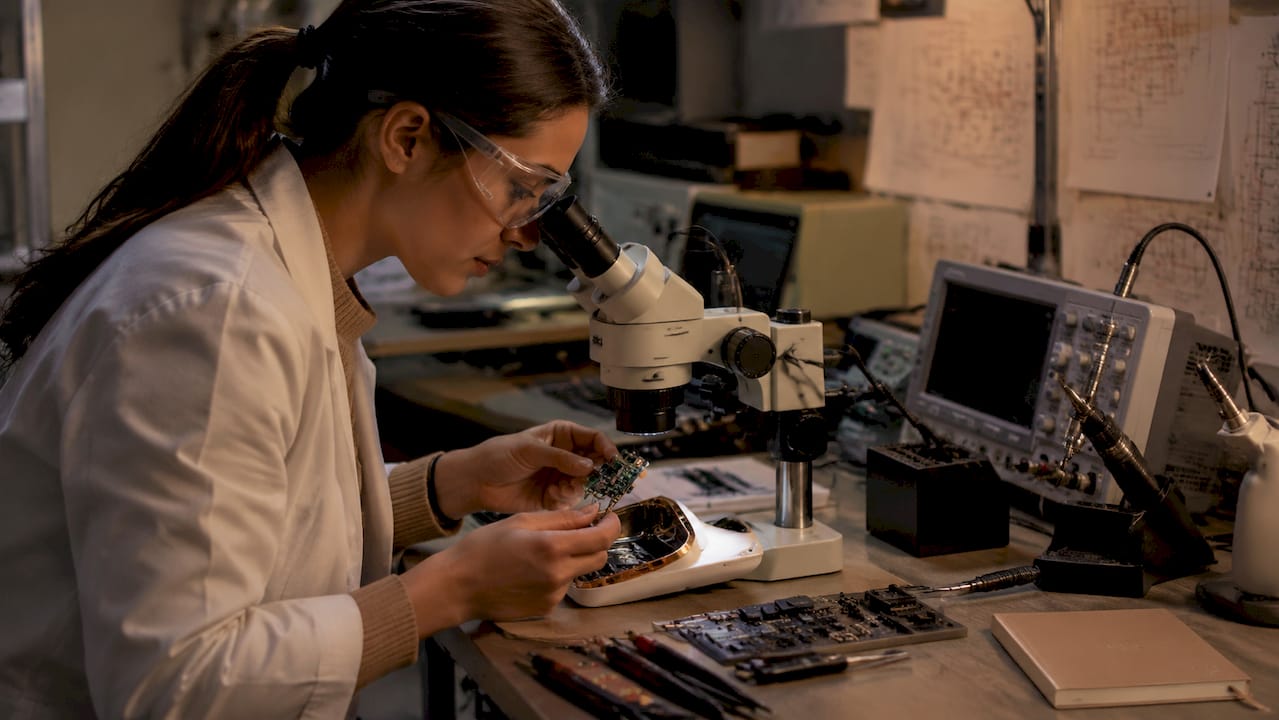
Emerging skincare technology types 2026 are defined by one principle: measurable results at the cellular level. The industry has moved well beyond ingredient novelty. Biotech-derived actives, advanced delivery systems, and regenerative aesthetics now form the three pillars of next-generation skincare. Clinical trials validate these technologies with quantifiable outcomes, from collagen production increases to barrier repair metrics. Whether you are a skincare enthusiast refining your home routine or a professional tracking the science, this guide covers every major category shaping the field right now.
1. What are the most impactful biotech-derived actives in 2026?
Biotech-derived actives are the defining category of emerging skincare technology trends 2026. These are ingredients produced or screened using biotechnology, rather than simply extracted from plants or synthesised by conventional chemistry.
The standout example is AI-screened bio-identical collagen fragments. Collagen production improvements of 48–82% have been recorded in clinical trials after just four weeks of use. The trials focused on women aged 53–70, using 100% human-identical collagen sequences that outperformed standard benchmarks. That result matters because it demonstrates efficacy at a level previously associated only with professional procedures.
Key biotech actives leading the field:
- AI-screened bio-identical collagen fragments: Produced using sequences identical to human collagen, these fragments signal the skin to produce its own collagen rather than simply sitting on the surface.
- Fermented Centella Asiatica extract: Fermentation increases madecassoside content by 47% compared to standard extracts, delivering superior soothing and UV erythema reduction. A participant trial recorded a 19% improvement in skin firmness after eight weeks.
- GLP-1 inspired peptide complexes: Peptides modelled on GLP-1 signalling pathways target skin firmness and elasticity. Read more about emerging peptide technologies and their clinical applications for lifting and tightening.
- Exosomes and PDRN (polydeoxyribonucleotide): These bridge clinical aesthetics and consumer skincare, supporting barrier repair and cellular recovery in topical formulations.
- Beta-glucan: A well-established but newly reformulated active that modulates the immune response in skin, reducing redness and supporting the microbiome.
Pro Tip: When evaluating any biotech active, look for peer-reviewed clinical data with a defined participant group and a measurable outcome. Marketing language without trial data is not evidence.
2. How advanced delivery systems are elevating skincare in 2026
The most potent active ingredient fails if it cannot reach its target layer in the skin. Delivery technology is now as important as the active itself. This is the area where 2026 skincare tech breakthroughs are most concentrated.
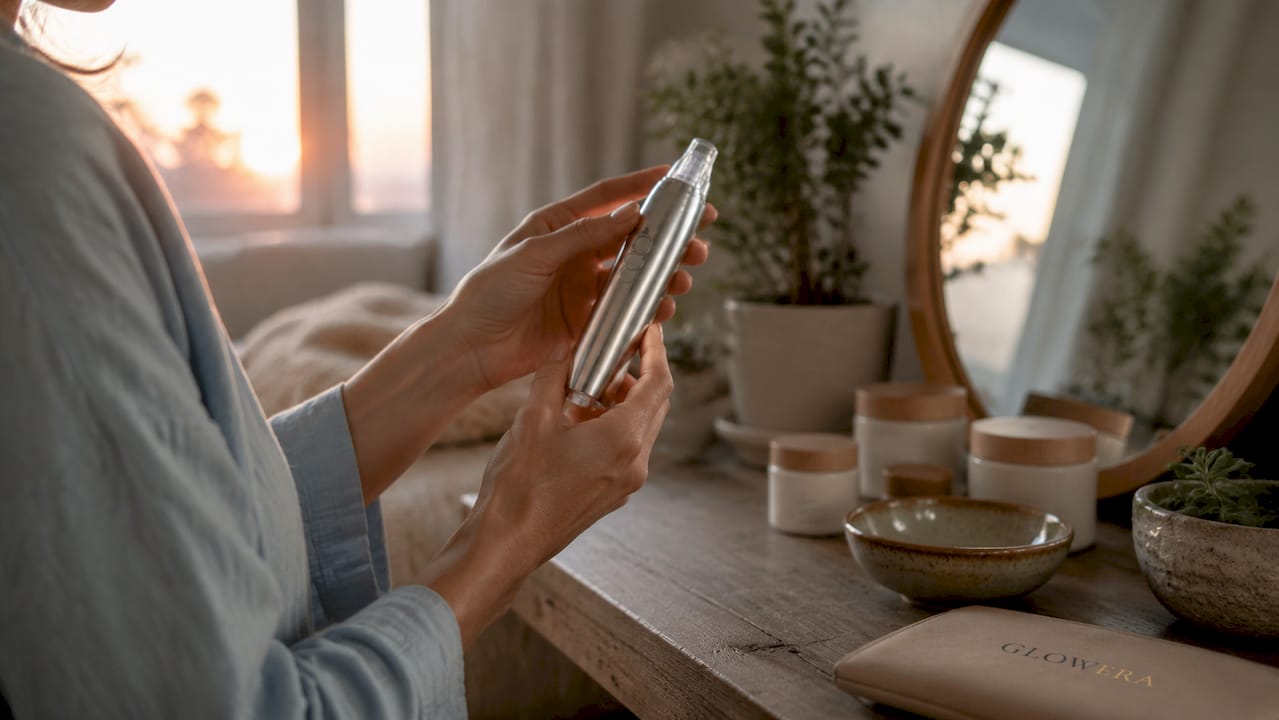
Spicules and microneedle-like structures are the most discussed delivery advance of the year. Microneedle spicules create controlled micro-pathways that bypass the stratum corneum, allowing large molecules like peptides and exosomes to reach deeper skin layers safely. They are no longer regarded as simple irritants. Dermatologists now classify them as sophisticated delivery tools with a defined mechanism of action.
Encapsulated retinoids represent the gold standard for balancing potency with tolerability. Multi-lamellar encapsulation layers retinoids within multiple lipid shells, releasing the active gradually over time. This time-release mechanism preserves potency while reducing the redness and peeling associated with conventional retinol formulations.
Other delivery technologies worth knowing:
- Lipid nanoparticles: Carrier systems that encapsulate actives within a lipid shell, improving skin affinity and sustained release.
- Polymeric nanocarriers: Polymer-based structures that protect sensitive actives from degradation before they reach the target site.
- Multi-lamellar encapsulation: The current state of the art for retinoids, vitamin C, and other unstable actives.
- Microbiome-sparing preservation: Preservation systems designed to protect the product without disrupting the skin’s bacterial ecosystem.
| Delivery method | Primary benefit | Best suited for |
|---|---|---|
| Spicules | Deep penetration of large molecules | Peptides, exosomes |
| Multi-lamellar encapsulation | Time-release, reduced irritation | Retinoids, vitamin C |
| Lipid nanoparticles | Sustained delivery, skin affinity | Antioxidants, growth factors |
| Polymeric nanocarriers | Active protection and targeted release | Unstable or sensitive actives |
Pro Tip: A product’s delivery system determines how much of the active ingredient actually reaches your skin. Check whether a brand publishes penetration data, not just ingredient concentration.
3. Regenerative aesthetics technologies entering consumer skincare
Regenerative aesthetics is the fastest-moving category in future skincare innovations. Technologies once confined to dermatology clinics are now being adapted into consumer-grade formulations and devices.
PDRN and polynucleotide boosters have migrated from injectable treatments to topical serums and masks. PDRN works by stimulating tissue repair pathways, originally developed for wound healing in clinical settings. Consumer formulations use it to support barrier recovery and reduce the appearance of fine lines without requiring a clinic visit.
Exosome-inspired formulations follow a similar trajectory. Exosomes adapted into topical products reduce downtime after procedures and support the skin barrier during recovery. They carry signalling molecules that instruct skin cells to repair and regenerate, making them particularly valuable after professional treatments like radiofrequency or microneedling.
Key regenerative technologies now available to consumers:
- PDRN topicals: Polynucleotide-based serums that activate tissue repair at the cellular level.
- Exosome-inspired formulations: Products containing exosome-derived growth factors that support post-procedure recovery.
- Bio-stimulatory peptide complexes: Peptides that mimic the action of bio-stimulatory injectables, encouraging natural collagen production.
- Barrier-repair biotechnology: Formulations combining ceramides, fatty acids, and biotech actives to restore the skin’s protective function.
Consumer demand for minimal downtime is the primary driver of this category. Professionals design these technologies to deliver clinical-grade outcomes without the recovery period associated with invasive procedures. The Glowera exosome treatment set from Medicube is a practical example of this principle applied to a consumer device.
4. AI’s role in accelerating skincare innovation
Artificial intelligence is no longer a marketing term in skincare. It is a functional research tool that is changing how actives are discovered and how products are personalised.
AI screens thousands of collagen fragments in days, a process that would take years using conventional laboratory methods. This acceleration compresses the timeline from discovery to clinical trial, meaning validated actives reach consumers faster than at any previous point in the industry’s history. The bio-identical collagen fragment research from BASF is a direct product of this capability.
Beyond R&D, AI enables hyper-personalisation at the consumer level. Algorithms analyse skin images, environmental data, and lifestyle inputs to recommend formulations matched to an individual’s specific skin profile. Glowera’s guide on AI-driven skincare personalisation covers how this technology is being applied in home-use devices right now.
5. Skin longevity: the defining theme of 2026 skincare trends
Skin longevity is the defining theme of 2026, and it represents a fundamental shift in how the industry frames skincare goals. The focus has moved from treating visible signs of ageing after they appear to maintaining barrier resilience and cellular health so that ageing slows at the source.
This shift changes what “effective skincare” means in practice. A product that delivers a temporary glow is no longer sufficient. Consumers and professionals now evaluate products on whether they support mitochondrial function, preserve telomere integrity, or maintain the skin microbiome over time. These are measurable, biological outcomes.
“The most significant shift in 2026 skincare is not a single ingredient or device. It is the industry-wide move toward cellular health as the primary measure of efficacy. Longevity-focused formulations treat the skin as a living organ, not a surface to be managed.”
The practical implications for your routine are clear. Prioritise products with clinical data on barrier function and cellular health. Pair biotech actives with sustainable skincare practices that support long-term skin resilience rather than chasing short-term results. Wearable and at-home devices that support this approach are covered in Glowera’s wearable skincare tech guide.
6. Non-invasive devices and at-home skincare technology
Advanced skincare devices are the hardware layer of the 2026 skincare technology stack. They deliver energy-based treatments, including microcurrent, radiofrequency, and LED light therapy, that were previously available only in professional settings.
Microcurrent devices stimulate the facial muscles using low-level electrical currents, improving muscle tone and lifting contours over time. LED light therapy uses specific wavelengths to target different skin concerns: red light at 630–660nm stimulates collagen production, while blue light at 415–430nm targets acne-causing bacteria. Radiofrequency devices heat the dermis to stimulate collagen remodelling without breaking the skin surface.
The Medicube AGE-R Ultra Tune combines radiofrequency and microcurrent in a single device, representing the integrated approach that defines next-gen skincare technologies. These devices work most effectively when paired with the biotech actives and advanced delivery systems described earlier in this guide. The combination of a clinically validated active and an energy-based delivery mechanism produces outcomes that neither approach achieves alone.
Key takeaways
The most effective 2026 skincare approach combines biotech-derived actives, advanced delivery systems, and energy-based devices to produce measurable, cellular-level improvements in skin health.
| Point | Details |
|---|---|
| Biotech actives lead efficacy | AI-screened collagen fragments show 48–82% collagen production gains in four-week trials. |
| Delivery determines results | Multi-lamellar encapsulation and spicules determine how much active ingredient reaches its target layer. |
| Regenerative tech is now accessible | PDRN and exosome formulations have moved from clinic to consumer products for barrier repair. |
| AI accelerates discovery | AI screens thousands of collagen fragments in days, compressing the R&D timeline significantly. |
| Skin longevity is the new standard | The industry now measures efficacy by cellular health and barrier resilience, not surface appearance. |
What I have learned from watching 2026 skincare technology develop
The most common mistake I see is treating ingredient lists as the whole story. A product with an impressive biotech active and a poor delivery system will underperform a simpler formulation that gets its active to the right skin layer. Delivery is the part of the equation that most enthusiasts overlook, and it is the part that separates genuinely effective products from well-marketed ones.
The hype around regenerative aesthetics is real, but so is the potential for misleading claims. PDRN and exosome formulations are legitimate technologies with clinical backing in aesthetic medicine. However, a topical product containing “exosome-inspired” ingredients is not equivalent to a clinic-administered exosome treatment. The concentration, delivery mechanism, and molecular size all differ. Understanding that distinction protects you from spending money on products that cannot deliver what they imply.
What genuinely excites me about 2026 is the skin longevity focus. For the first time, the mainstream skincare conversation is centred on cellular health rather than surface correction. That is a meaningful shift. It means the best products and devices on the market are now designed to slow the ageing process at its biological root, not simply mask its appearance. If you build your routine around that principle, choosing actives and devices with clinical data on barrier function and cellular outcomes, you will be ahead of the majority of consumers and many professionals.
— Adam
Advanced skincare tech, available now at Glowera
The technologies covered in this guide are not future concepts. They are available in devices and formulations you can use at home today.
Glowera curates a selection of professional-grade devices and K-beauty technology tools designed around the principles of clinical efficacy and minimal downtime. The K-beauty tech range includes devices that combine microcurrent, radiofrequency, and exosome-compatible delivery in formats built for daily home use. For those exploring LED therapy, the LED light therapy range covers red and blue light devices with clinically relevant wavelengths. Every product on Glowera is authenticated and supported by detailed educational content, so you can make informed choices grounded in the same science covered here.
FAQ
What are the main emerging skincare technology types in 2026?
The main types are biotech-derived actives (such as AI-screened collagen fragments and fermented extracts), advanced delivery systems (including spicules and multi-lamellar encapsulation), regenerative aesthetics technologies (PDRN and exosome formulations), AI-driven personalisation, and energy-based devices (microcurrent, LED, and radiofrequency).
How do spicules work as a skincare delivery technology?
Spicules are microneedle-like structures that create controlled micro-pathways through the stratum corneum, allowing large molecules like peptides and exosomes to penetrate to deeper skin layers safely and effectively.
What is skin longevity in the context of 2026 skincare trends?
Skin longevity refers to maintaining barrier resilience and cellular health over the long term, rather than correcting visible signs of ageing after they appear. It is the defining theme of 2026 skincare innovation.
Are PDRN and exosome products available for home use?
Yes. PDRN and exosome-inspired formulations have been adapted into topical serums, masks, and device-compatible products designed for consumer use, though their concentration and mechanism differ from clinic-administered treatments.
How does AI contribute to skincare product development?
AI screens thousands of collagen fragments and other actives in days, dramatically accelerating the R&D process. It also enables hyper-personalised formulation recommendations based on individual skin analysis data.