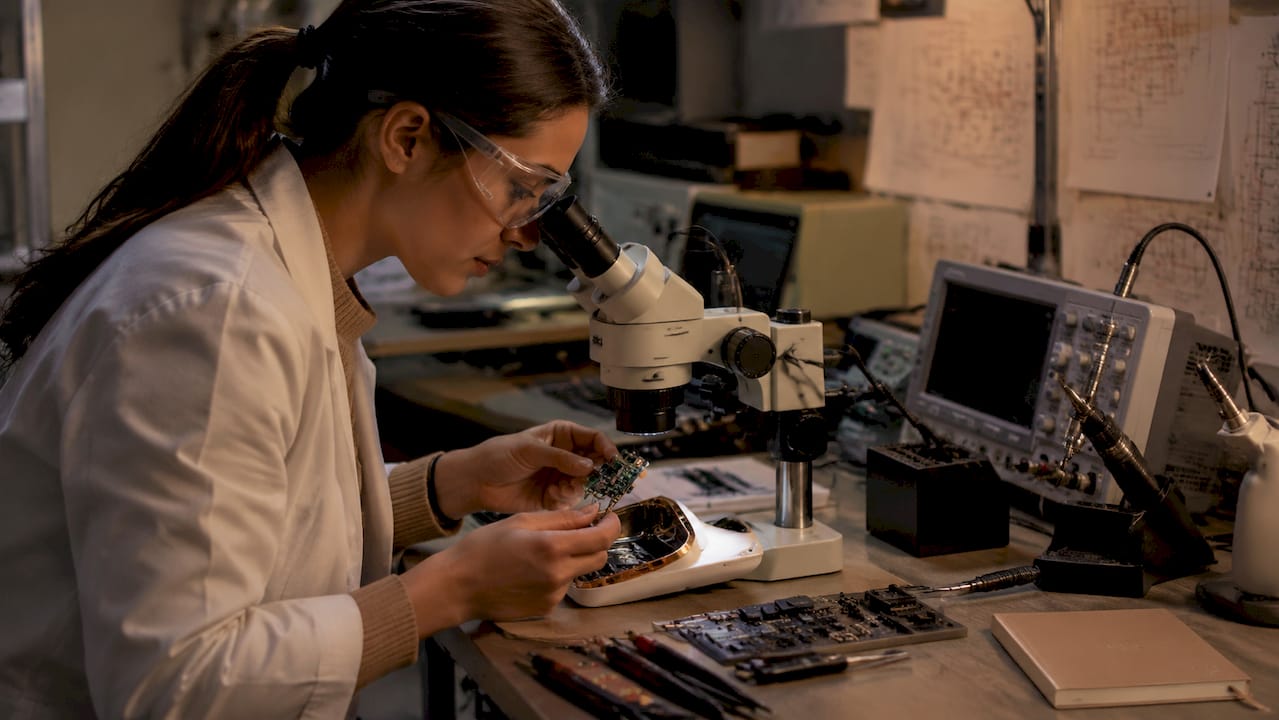
Properly cleaning beauty tech tools is the single most effective way to protect your skin and extend the life of your devices. Residual oils, sweat, and product buildup do not just look unpleasant. They block device efficacy and create conditions for bacterial contamination, folliculitis, and skin irritation. Dermatological guidance is clear: clean after every use. Whether you own an LED mask, a microcurrent device, or a set of silicone applicators, the principles of proper device hygiene apply across the board. This guide covers everything you need to know about how to clean beauty tools safely, from the right cleaning agents to storage habits that prevent mould and material degradation.
What do you need to clean and sanitise beauty tech devices?
The first distinction to understand is that cleaning and sanitising are not the same thing. Cleaning removes visible grime; sanitising kills microorganisms. Both steps are required for optimal skin safety, and skipping either one leaves your skin at risk.
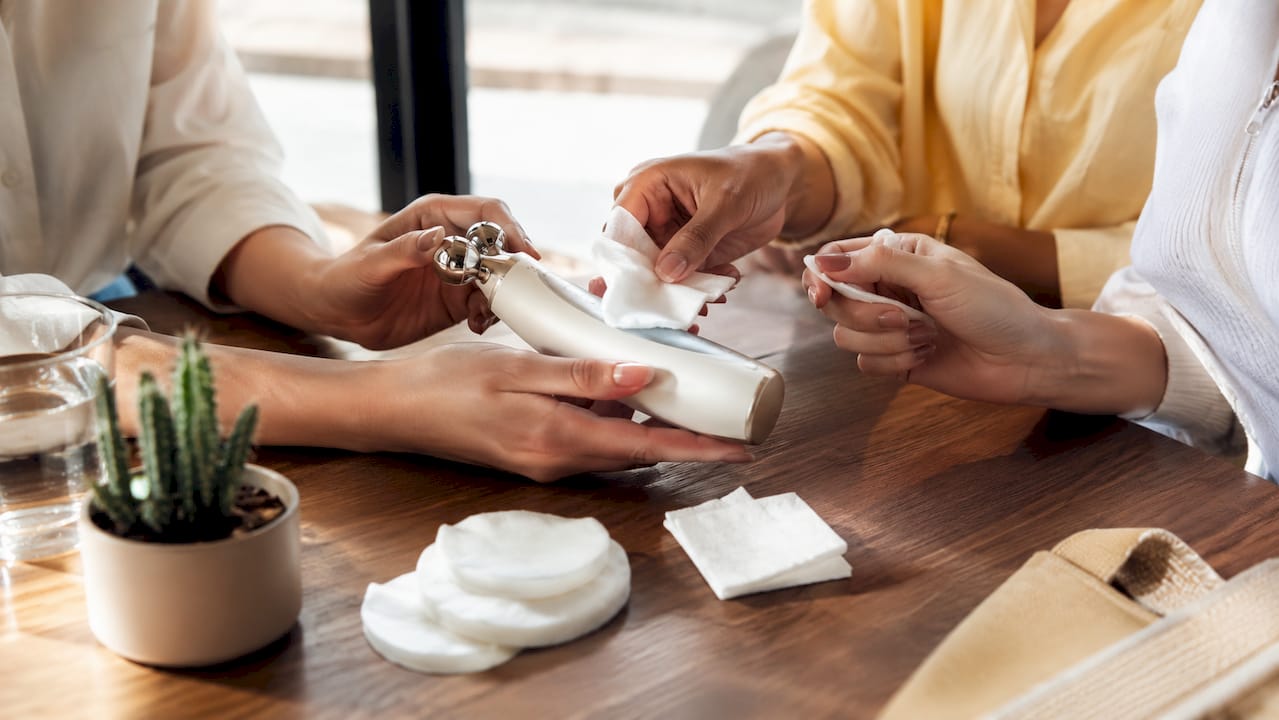
Cleaning agents by surface type
Different device materials require different products. Using the wrong agent can degrade surfaces and reduce a device’s effectiveness over time.
- Silicone surfaces: Use a mild, fragrance-free liquid soap or a gentle cleanser free from clay, exfoliating granules, or silicone-based formulas. Abrasive or clay-based cleansers can alter the texture of silicone heads, reducing their cleaning effectiveness and shortening device lifespan.
- Plastic and electronic casings: Use a dry or lightly dampened microfibre cloth. Avoid spraying any liquid directly onto the device body.
- Metal components and attachments: Isopropyl alcohol wipes (60%–95% concentration) are effective, but only when the manufacturer explicitly approves their use. Alcohol concentrations in this range are most effective for LED devices, though compatibility must always be verified first.
- Brush heads and fabric attachments: Gentle soap or baby shampoo works well. Avoid harsh detergents that strip natural fibres or degrade synthetic bristles.
What to keep in your cleaning kit
A well-stocked cleaning kit removes the temptation to improvise with unsuitable products. Stock the following:
- Microfibre cloths (lint-free, non-abrasive)
- Soft-bristle brushes for textured surfaces
- Isopropyl alcohol wipes (manufacturer-approved use only)
- Mild liquid soap or baby shampoo
- A ventilated drying rack or clean flat surface
Pro Tip: Never use bleach, acetone, or abrasive scrubbing pads on any beauty tech device. These damage surface coatings, degrade silicone, and can compromise the electronics inside.
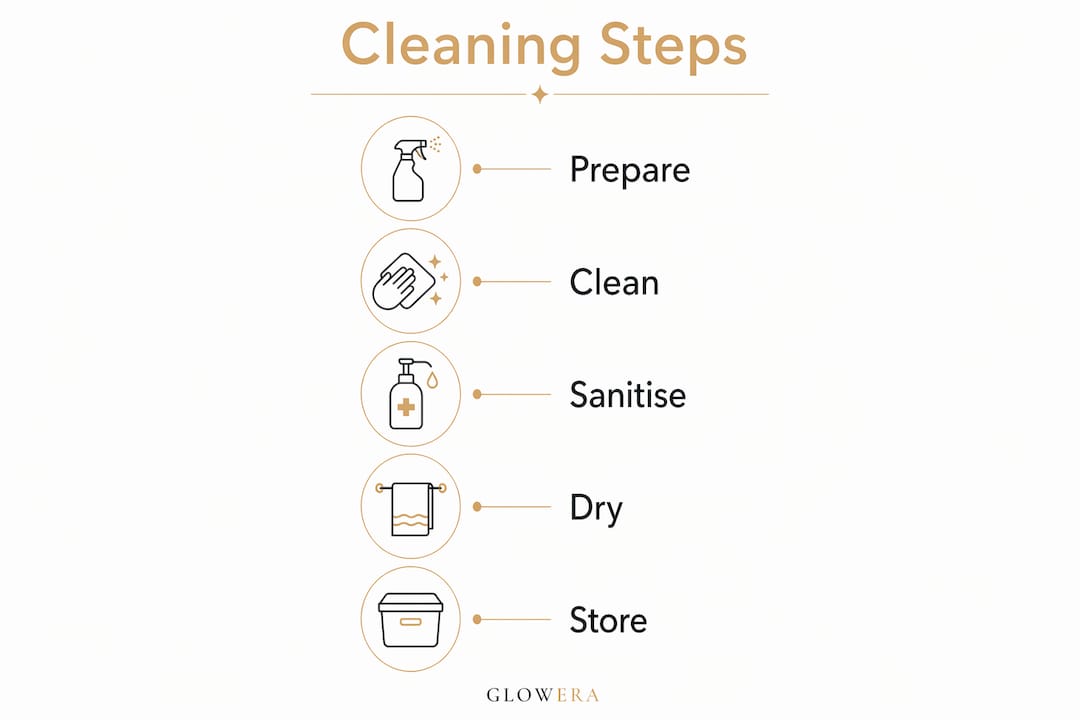
Step-by-step: how to clean electronic beauty tools like LED masks and microcurrent devices
Electronic beauty tools, including LED light therapy devices and microcurrent devices, require a methodical approach. Water intrusion is the primary risk. A single careless rinse can permanently damage internal components.
The full cleaning process
- Power down and unplug the device. Never clean any electronic tool while it is switched on or charging. This is a non-negotiable safety step.
- Check the manufacturer manual. Manufacturer manuals are the definitive authority on compatible cleaning agents, session length, and skin preparation. General advice should always be adapted to your specific device model.
- Wipe contact surfaces with an approved agent. If the manual approves isopropyl alcohol wipes, use them on the treatment heads or contact points. Wipe gently in one direction rather than scrubbing.
- Clean the casing with a dry microfibre cloth. Do not use wet cloths on the main body. If the casing needs more than a dry wipe, use a cloth that is barely damp and keep moisture away from ports and seams.
- Air-dry completely before storage. Air-drying on a non-porous surface away from humid areas is critical. Storing a damp device in a sealed container accelerates bacterial growth and risks internal damage.
- Conduct a weekly inspection. Check for residue buildup, discolouration, fraying on attachments, or any unusual odour. Catching wear early prevents hygiene problems from compounding.
- Replace brush heads or attachments every 2–3 months. Visible fraying, discolouration, or a sticky surface are clear signals that a replacement is overdue, regardless of the schedule.
“Skipping cleaning after each use leads to ineffective treatment, bacterial contamination, and skin irritation, especially with damaged skin barriers. Residual oils and sweat build up can block device efficacy and cause folliculitis or rashes.”
Pro Tip: Keep your device’s manual bookmarked digitally. Many brands publish updated care guides on their websites, and these sometimes differ from the printed version included in the box.
For a broader look at which devices are worth the investment in the first place, Glowera’s guide to top beauty tech devices covers the leading options with practical context.
How to clean and maintain non-electronic beauty tools
Non-electronic tools, including sponges, makeup brushes, and silicone applicators, carry their own hygiene risks. Because they absorb product and moisture, they create ideal conditions for microbial growth if not cleaned correctly.
Daily and weekly cleaning routine
- Rinse sponges and silicone applicators after every use. Run them under lukewarm water and squeeze gently to remove surface product. Do not wring or twist, as this causes tearing and distorts the shape.
- Deep-clean weekly with gentle soap or baby shampoo. Work a small amount of cleanser into the tool using your fingers or a textured cleaning mat. Rinse thoroughly until the water runs clear.
- Wash brushes weekly using the same method. Swirl the bristles in a shallow dish of soapy water, then rinse under running water with the bristles pointing downward to prevent water pooling at the ferrule (the metal band that holds the bristles).
- Reshape and lay flat to dry. Never dry brushes upright in cups. Water pools at the ferrule, dissolves the glue, and destroys the bristles from the inside out. Lay brushes flat on a clean towel with the bristles hanging slightly over the edge.
- Store only when fully dry. Storing damp tools in sealed containers or pouches creates a warm, moist environment where mould and bacteria thrive.
Pro Tip: Silicone applicators dry faster than sponges and are naturally more resistant to bacterial growth. If you find yourself skipping cleaning days, a silicone alternative is a more forgiving option.
Replacement guide for non-electronic tools
| Tool | Cleaning frequency | Replacement interval | Key replacement signs |
|---|---|---|---|
| Beauty sponge | Daily rinse, weekly deep clean | Every 3 months | Tears, persistent odour, discolouration |
| Makeup brushes | Weekly | Every 6–12 months | Shedding, splayed bristles, smell |
| Silicone applicator | After every use | Every 6–12 months | Stickiness, surface degradation |
| Cleansing brush head | Weekly | Every 2–3 months | Fraying, discolouration, reduced performance |
Non-electronic tools like sponges need daily rinsing and weekly thorough cleaning with gentle soap. Replacement every 3 months prevents microbial growth that no amount of cleaning can fully reverse. For guidance on pairing these tools with professional-grade devices, this overview of professional skincare tools for home offers useful context.
What are the most common mistakes when cleaning beauty tech tools?
Most hygiene failures with beauty tech tools come down to a handful of repeated errors. Knowing them in advance is the most reliable way to avoid them.
- Using harsh or incompatible cleaners. Bleach, acetone, and abrasive scrubs damage device coatings and silicone surfaces. Even products labelled “gentle” can be problematic. Not all gentle cleansers are safe for silicone surfaces; clay-based or grainy formulas degrade the material and reduce efficacy over time.
- Storing tools while still damp. This is one of the most common errors. Moisture damages components and fosters bacterial and mould growth, particularly in enclosed storage pouches or drawers.
- Ignoring manufacturer guidelines in favour of online hacks. Social media cleaning “hacks” frequently recommend products or methods that are not compatible with specific device materials. The manufacturer manual exists precisely to prevent this kind of damage.
- Skipping cleaning sessions. Sporadic cleaning is not a substitute for consistent hygiene. Residue accumulates with every use, and even a few missed sessions can result in a film that blocks light therapy wavelengths or harbours bacteria.
- Overusing devices without rest periods. Overuse causes skin sensitivity and can accelerate wear on device components. Following the recommended session frequency in the manual protects both your skin and the device.
“Device manuals are the ultimate authority to guide cleaning, skin preparation, and usage protocols. General cleaning advice should always be adapted per device model to avoid damage and maximise benefits.”
Maintaining a consistent routine for sanitising beauty gadgets is not about perfectionism. It is about protecting an investment and keeping your skin safe every time you use a device.
Key takeaways
Cleaning beauty tech tools properly requires consistent after-use hygiene, material-appropriate cleaning agents, complete air-drying, and adherence to manufacturer instructions for every device type.
| Point | Details |
|---|---|
| Clean after every use | Residue buildup blocks device efficacy and creates conditions for bacterial contamination and skin irritation. |
| Match the agent to the material | Silicone, plastic, and electronic surfaces each require specific, compatible cleaning products to avoid degradation. |
| Air-dry completely before storage | Storing damp tools accelerates mould and bacterial growth; always dry on a non-porous surface in a ventilated area. |
| Follow manufacturer instructions | The device manual is the definitive guide for cleaning agents, session length, and compatible products. |
| Replace attachments on schedule | Brush heads and sponges should be replaced every 2–3 months, or sooner when fraying, odour, or discolouration appears. |
Why I think most people underestimate tool hygiene
After years of observing how people approach their skincare routines, the pattern I see most often is this: considerable thought goes into choosing a device, and almost none goes into maintaining it. A £200 microcurrent tool gets wiped down occasionally, stored in its box while still slightly damp, and used with the same brush head for six months past its useful life. The results are predictably disappointing, and the device usually gets blamed.
The uncomfortable truth is that a poorly maintained tool can actively harm your skin. A contaminated LED mask pressed against a compromised skin barrier does not deliver a treatment. It delivers a bacterial load directly to your face. I have seen this connection made clearly in dermatological guidance, and it holds up in practice.
What actually works is treating the cleaning routine as part of the treatment itself, not an afterthought. Two minutes after each session to wipe down contact surfaces and leave the device to air-dry properly makes a measurable difference over weeks of use. The skin improvements people attribute to a new device are often, at least in part, the result of finally using a clean one.
My strongest advice is to trust the manufacturer manual over any anecdotal shortcut. Brands like FOREO and Dr. Dennis Gross publish detailed care instructions because the wrong product genuinely damages their devices. That guidance is not boilerplate. It is the result of material testing, and it is worth following precisely. You can find care-informed device options across Glowera’s at-home facial tools guide if you want a starting point for building a well-maintained routine.
— Adam
Glowera’s curated beauty tech: designed for real-world maintenance
Choosing a device that is easy to maintain is as important as choosing one that delivers results. Glowera curates a selection of beauty tech tools built with hygiene in mind, from silicone-headed cleansing devices to LED therapy panels with smooth, wipeable surfaces.
The K-beauty tech collection at Glowera includes devices from brands like Medicube, known for their straightforward cleaning protocols and durable materials. If LED therapy is your focus, the LED light therapy range features devices with surfaces designed for after-use cleaning without compromising the electronics. Every product listing includes care guidance, so you know exactly what you are committing to before you buy.
FAQ
How often should I clean my beauty tech tools?
Clean electronic beauty tools after every use to prevent residue buildup and bacterial contamination. Non-electronic tools like sponges need daily rinsing and a thorough weekly clean.
Can I use alcohol wipes on my LED mask?
Isopropyl alcohol wipes at 60%–95% concentration are effective for LED devices, but only when the manufacturer explicitly approves their use. Always check the device manual before applying any alcohol-based product.
What happens if I store my tools while still damp?
Storing damp tools in sealed containers accelerates bacterial and mould growth, and can cause internal damage to electronic components. Always air-dry completely on a non-porous surface before storing.
When should I replace brush heads or sponges?
Replace brush heads and attachments every 2–3 months, or sooner if you notice fraying, discolouration, persistent odour, or a sticky surface. Sponges should be replaced every 3 months regardless of appearance.
Are all gentle cleansers safe for silicone beauty devices?
No. Clay-based, exfoliating, and silicone-based cleansers can degrade silicone device surfaces even when labelled gentle. Use only mild, fragrance-free liquid soap unless the manufacturer specifies otherwise.