A skincare device layering routine is defined as the practice of using energy-based devices on clean, product-free skin first, then applying active serums within a specific absorption window to maximise ingredient uptake. This sequence is not a preference. It is a clinical protocol. Absorption efficiency improves from 20% to 60–80% when actives are applied during the post-device permeability window of 20–60 minutes. Devices like LED, radiofrequency (RF), and microcurrent each target different skin depths. Layering them in the correct order, alongside the right topicals, treats the full skin architecture rather than just the surface.
1. Why clean skin is non-negotiable before device use
Every effective device session begins with a thorough cleanse. Energy-based devices require direct, unobstructed contact with skin to deliver their treatment effectively. Oils, sunscreen residue, and occlusive moisturisers sit on the skin’s surface and physically block energy transmission.
Occlusive products before devices reduce treatment efficacy significantly. This means a session with an RF or microcurrent device on uncleansed skin may produce little to no measurable benefit, regardless of how long you use it.
- Remove all makeup, SPF, and product residue before any device session.
- Use a gentle, non-stripping cleanser to avoid compromising the skin barrier.
- Pat skin dry completely. Excess water can interfere with electrical conductivity for microcurrent devices.
- Avoid applying toners or essences before device use unless your device protocol specifically requires a conductive medium.
- Check your device manual. Some RF devices require a thin conductive gel applied directly before use, but this is the exception, not the rule.
Pro Tip: Prep your skin for device use the same way you would prep for a non-surgical treatment: clean, dry, and free of active products. This single habit separates effective routines from wasted effort.
Skipping the cleanse step does not just reduce results. It can cause uneven energy distribution, which increases the risk of localised irritation. Treat cleansing as part of the device session itself, not as a separate step.
2. The skincare device layering routine: order and timing
The order in which you use devices matters as much as the devices themselves. Device modalities address different skin depths and work best as complementary layers rather than interchangeable steps.
The clinical sequence for combining multiple devices is:
- LED light therapy first. LED soothes inflammation, prepares the skin, and primes cellular activity. LED before RF maximises therapeutic benefit and reduces irritation risk from subsequent energy delivery.
- Microcurrent second. Microcurrent tones facial muscles and improves circulation. It works on the muscular and connective tissue layer, which sits deeper than LED’s primary target.
- RF (radiofrequency) third. RF delivers thermal energy to stimulate collagen production in the dermis. Applying it after LED and microcurrent means the skin is already primed and circulation is active.
- Microneedling last, and only on dedicated sessions. Microneedling creates micro-channels that act as delivery pathways for topical actives. It should not be combined with RF or LED in the same session unless you are using a professional combination device designed for that purpose.
Once your device session ends, the permeability window opens. Apply your active serums within 20–60 minutes. Vitamin C applied post-device supports collagen cross-linking and improves structural skin integrity. Retinoids and peptides also absorb more effectively during this window.
Pro Tip: For guidance on matching specific actives to your devices, the Glowera blog on pairing skincare ingredients with devices is a practical reference.
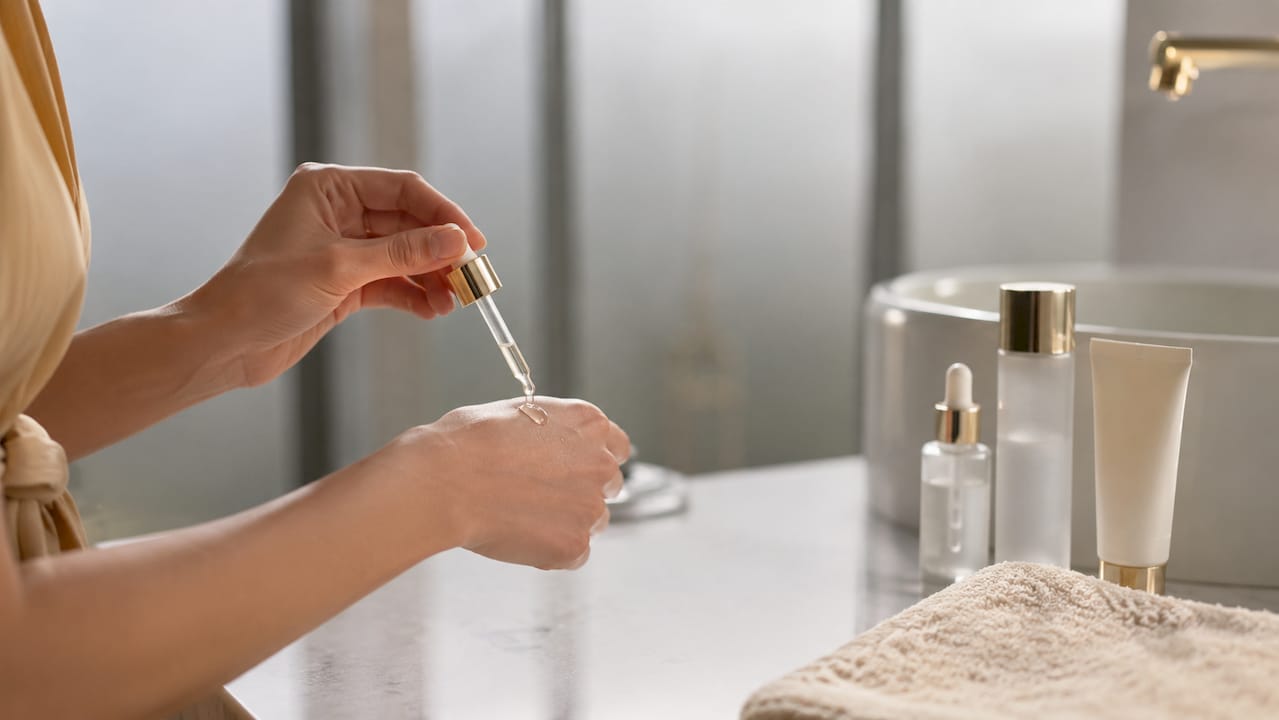
Apply your moisturiser and any occlusive products only after your actives have absorbed fully. This seals in the treatment without interfering with device energy delivery.
3. Building a weekly skincare device schedule
Consistency produces results. Frequency, however, must be calibrated to each device modality. Using any device too often disrupts the skin barrier and reverses progress.
A practical weekly schedule looks like this:
- LED light therapy: Daily use is safe for most people. Sessions of 10–20 minutes support cellular repair and reduce inflammation without cumulative stress on the skin.
- Microcurrent: Four to five sessions per week is the standard maintenance frequency. Microcurrent devices work best in frequent short sessions of 7–10 minutes, paired with a conductive gel.
- RF devices: RF sessions two to three times weekly allow the skin adequate recovery time while promoting cumulative collagen stimulation. More frequent use does not accelerate results and risks thermal overload.
- Microneedling: Once weekly at home with a dermaroller, or once every four to six weeks with a professional device. Always follow with actives during the permeability window.
- Rest days: Schedule at least one full rest day per week with no device use. Use these days for hydration-focused skincare: a gentle cleanser, a hyaluronic acid serum, and a nourishing moisturiser.
Mixing modalities safely means not stacking RF and microneedling on the same day. Both create thermal or mechanical stress on the skin. Combining them risks barrier disruption and prolonged redness. LED and microcurrent, by contrast, pair well in a single session because neither creates significant thermal stress.
Customise your schedule based on how your skin responds. If you notice persistent redness or sensitivity after RF sessions, reduce to once weekly and reassess after two weeks.
4. Layering serums with devices: the permeability window in practice
The permeability window is the most underused concept in home device routines. After any energy-based device session, the skin’s barrier temporarily becomes more permeable. This is not damage. It is a controlled, temporary state that allows topical actives to penetrate more deeply than they would on untreated skin.
Layering serums after device use during this window is the practical application of this principle. Apply your highest-priority active first, directly onto skin that is still slightly warm from the device. Vitamin C, hyaluronic acid, and peptide serums are all well-suited to this moment. For a detailed guide on correct serum layering, the sequencing principles apply equally whether you are using devices or not.
Retinoids deserve a specific note. Apply retinol or retinaldehyde during the permeability window only if your skin is accustomed to both the device and the retinoid. For those new to either, introduce them separately before combining them.
5. Conductive gels and compatible products
Microcurrent devices require a conductive medium to transmit electrical current effectively through the skin. Without it, the current disperses unevenly and the treatment loses precision.
The right gel is water-based, free of heavy silicones, and formulated specifically for electrical conductivity. Many brands produce dedicated microcurrent gels. Glowera’s guide on conductive gel for microcurrent covers the formulation requirements in detail. Using a standard moisturiser as a substitute reduces conductivity and can leave residue that interferes with the device’s sensors.
For RF devices, check the manufacturer’s protocol. Some RF tools require a thin layer of conductive gel. Others work on dry skin. Using the wrong medium for your specific device is one of the most common technique errors in home routines.
6. Tips for routine consistency and long-term results
Sequence matters more than brand. Running a consistent checklist routine prevents decision fatigue and builds the habit of adherence. The following practices support long-term consistency:
- Charge devices nightly. Charging and cleaning devices regularly prevents missed sessions and extends device lifespan. A dead device in the morning breaks the routine entirely.
- Keep everything accessible. Store your devices and serums in one place. Reducing friction between intention and action is the single most reliable way to maintain a daily habit.
- Treat device time as focused. Microcurrent devices work best when used with full attention to technique. Multitasking during a session reduces the precision of movement and undermines results.
- Build a 12-minute morning routine. Cleanse (2 minutes), LED or microcurrent session (7–10 minutes), apply vitamin C serum (1 minute). This is a complete, effective routine that fits into any morning.
- Track your skin’s response. Take a photograph in consistent lighting once a week. Cumulative changes in skin tone and firmness are often invisible day-to-day but clearly visible over six to eight weeks.
Pro Tip: Clean your device head after every session with the manufacturer’s recommended method. Residual gel or skin cells on the device surface affect both hygiene and performance.
Key takeaways
A well-structured skincare device layering routine requires clean skin before device use, correct device sequencing, and active serums applied within the 20–60 minute post-device permeability window.
| Point | Details |
|---|---|
| Clean skin first | Remove all products before device use to prevent blocked energy transmission. |
| Device order matters | Use LED before RF; microcurrent fits between the two for best results. |
| Permeability window | Apply active serums within 20–60 minutes post-device for maximum absorption. |
| Weekly frequency | RF two to three times weekly; LED daily; microcurrent four to five times weekly. |
| Consistency over intensity | A repeatable 12-minute routine outperforms occasional long sessions every time. |
Adam’s take on building a device routine that actually works
The most common mistake I see is treating devices as a shortcut rather than a system. People buy an RF device, use it twice a week for a month, see modest results, and conclude the technology does not work. The technology works. The routine does not.
What actually produces visible change is the combination of correct sequencing, consistent timing, and patience. The permeability window concept changed how I think about topicals entirely. Applying vitamin C after a microcurrent session is not the same as applying it to untreated skin. The skin is in a different physiological state. That distinction is worth understanding deeply.
I have also found that the discipline of treating device time as a focused ritual, rather than something you do while scrolling your phone, produces noticeably better results. Technique matters with microcurrent in particular. Sloppy movement patterns do not engage the underlying musculature effectively.
The other thing worth saying plainly: do not add a new device to your routine every month. Introduce one modality, use it consistently for six weeks, and assess the response before adding another. Layering devices is powerful precisely because each modality addresses a different skin layer. But that power requires patience and a methodical approach.
— Adam
Glowera’s range for your device layering routine
Building an effective device routine starts with having the right tools. Glowera curates a selection of professional-grade beauty tech devices across LED, microcurrent, and RF categories, sourced from globally trusted brands including NuFACE, FOREO, Dr. Dennis GROSS, ZIIP, and CurrentBody.
Every device in the Glowera catalogue is selected for clinical credibility and home usability. The K-beauty tech collection includes Korean-engineered devices that combine multiple modalities in a single tool, making them well-suited to the layering protocols covered in this guide. Whether you are starting with LED therapy or adding RF to an existing microcurrent routine, Glowera’s range supports each stage of a structured device regimen.
FAQ
What is a skincare device layering routine?
A skincare device layering routine is the practice of using energy-based devices on clean skin first, then applying active serums within the 20–60 minute permeability window that follows. This sequence maximises both device efficacy and ingredient absorption.
Should I use LED or RF first?
LED should always be used before RF. LED soothes inflammation and prepares the skin, while RF delivers thermal energy for collagen stimulation. Using them in this order reduces irritation risk and improves overall results.
How often should I use RF in my weekly routine?
RF sessions are recommended two to three times weekly. This frequency allows the skin to recover between sessions and supports cumulative collagen stimulation without risking barrier disruption.
Do I need a conductive gel for every device?
Microcurrent devices always require a water-based conductive gel for effective current transmission. RF devices vary by model. Check your device’s specific protocol, as using the wrong medium affects both safety and results.
Can I use multiple devices in one session?
LED and microcurrent can be combined in a single session safely. RF should follow LED but not be combined with microneedling in the same session, as both create skin stress that compounds when used together.